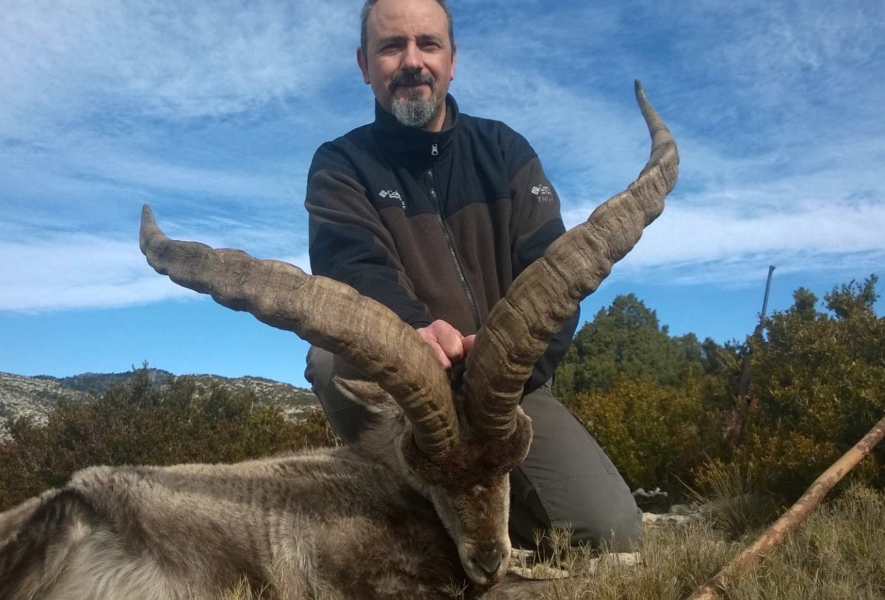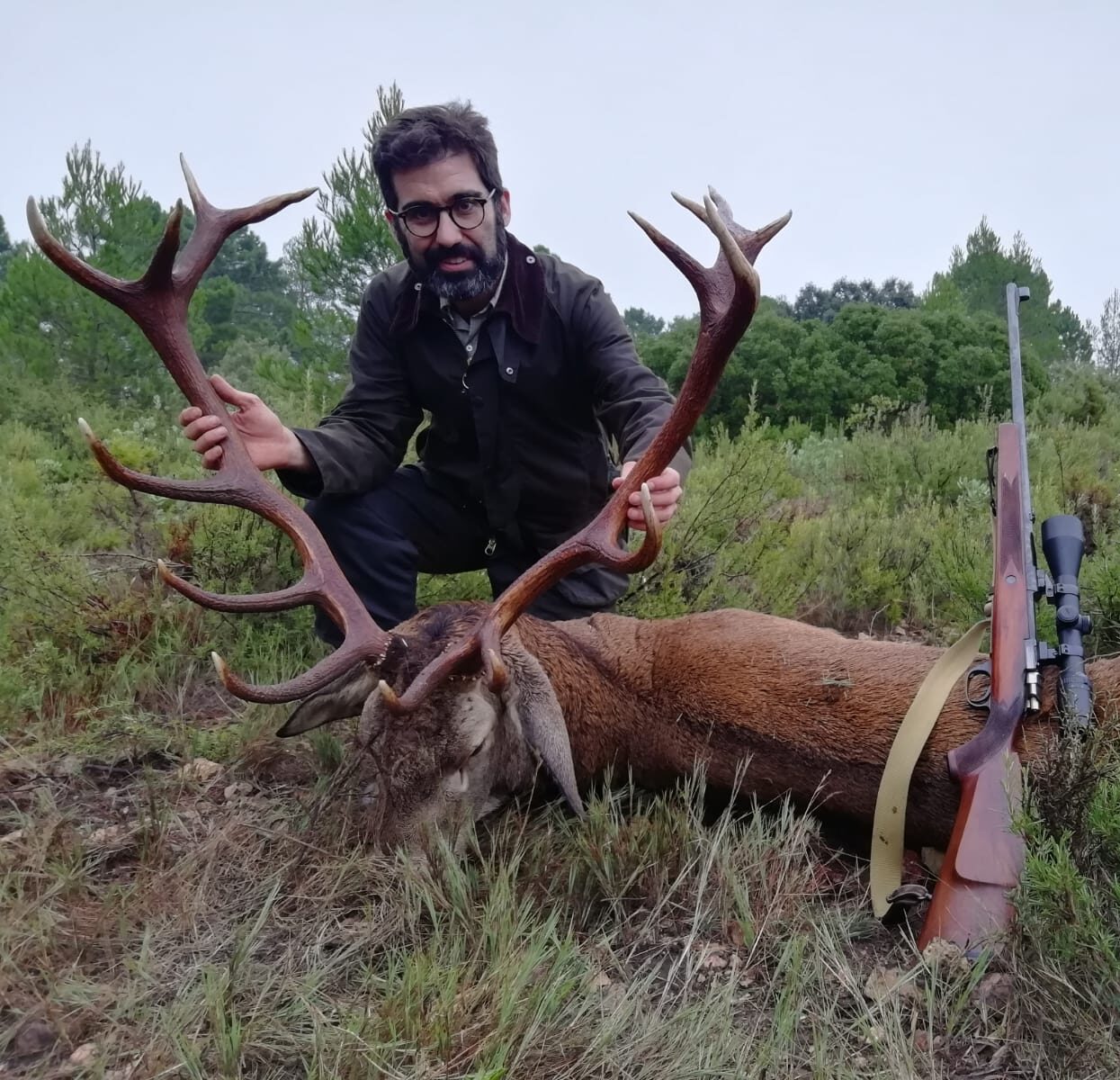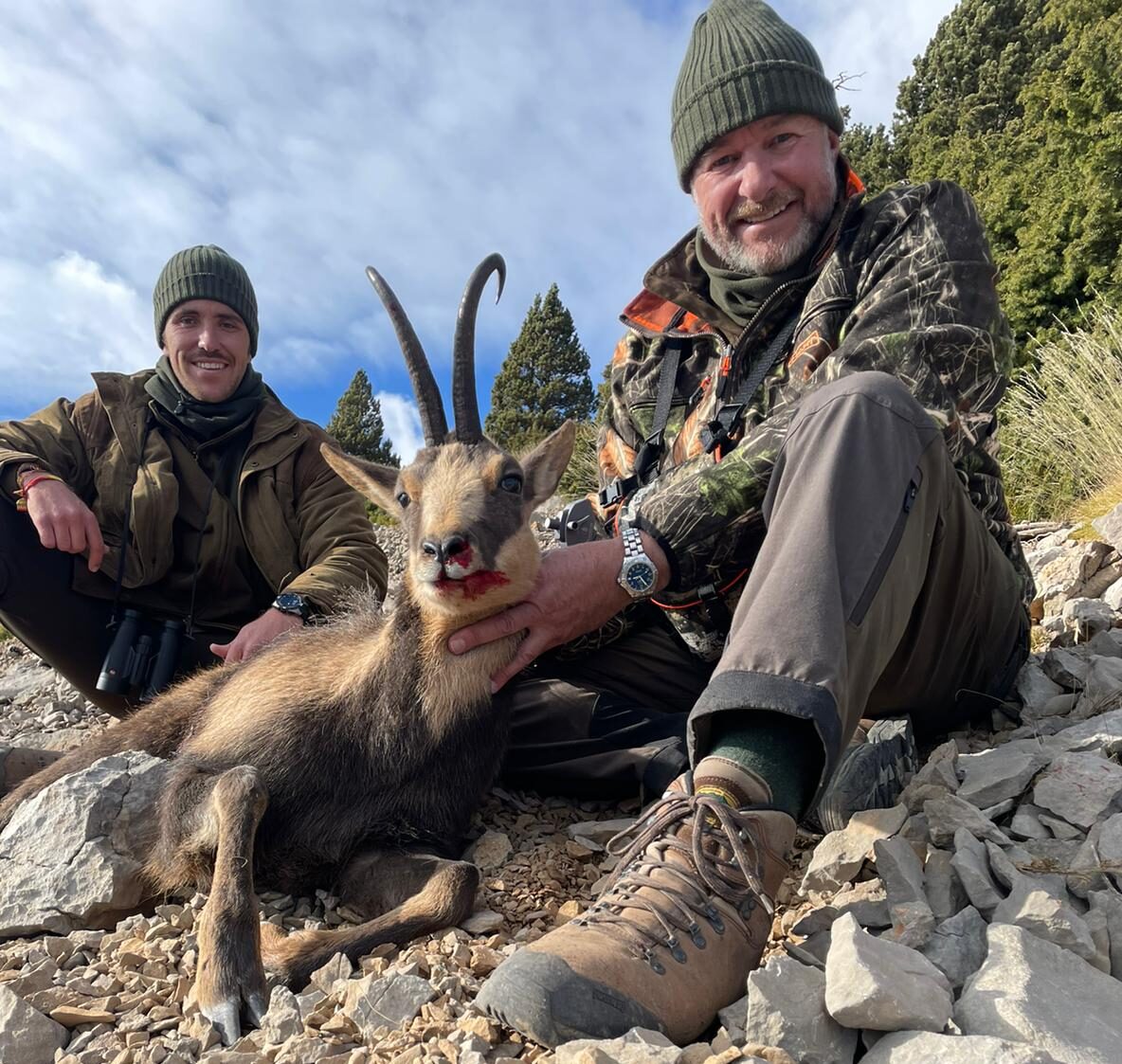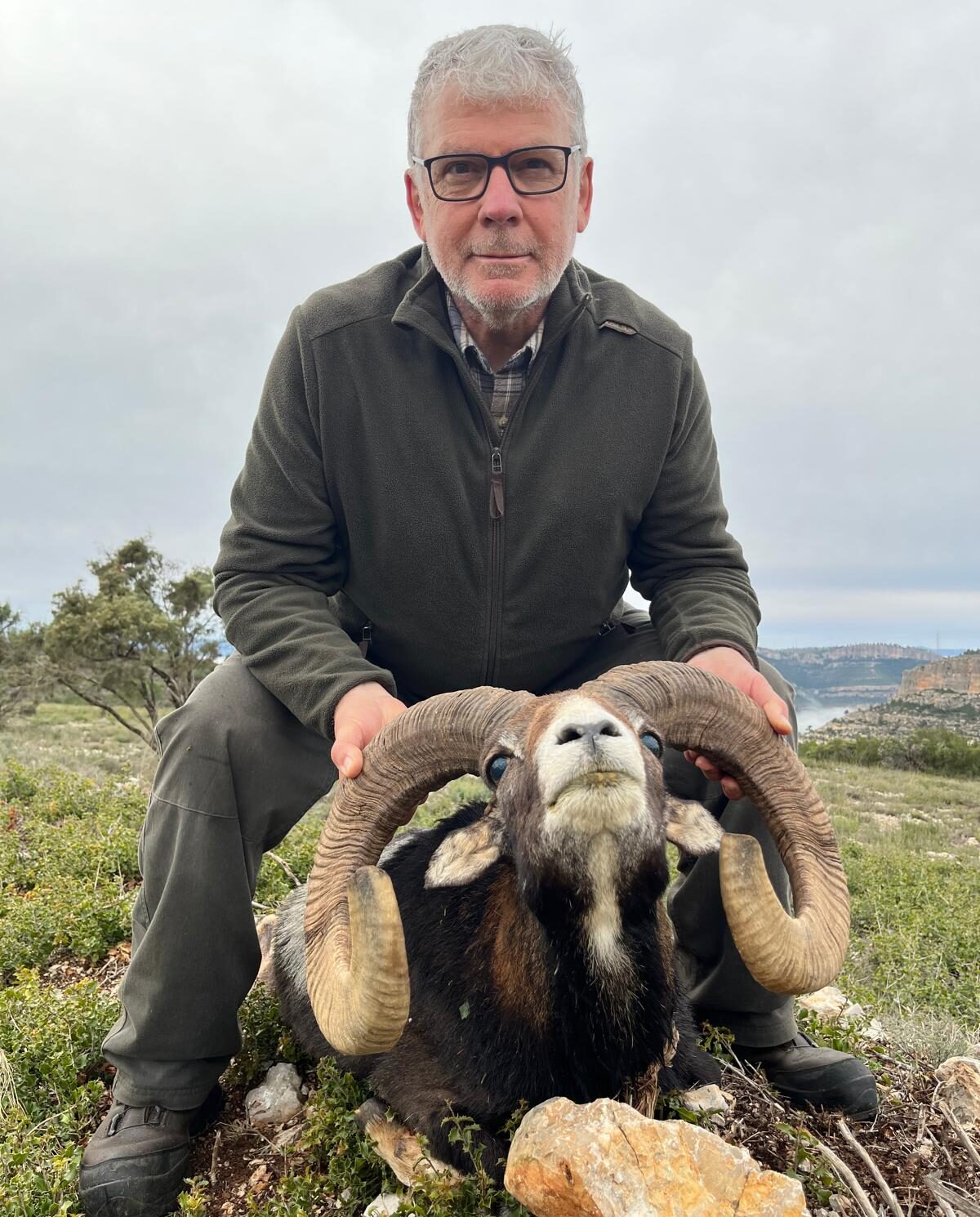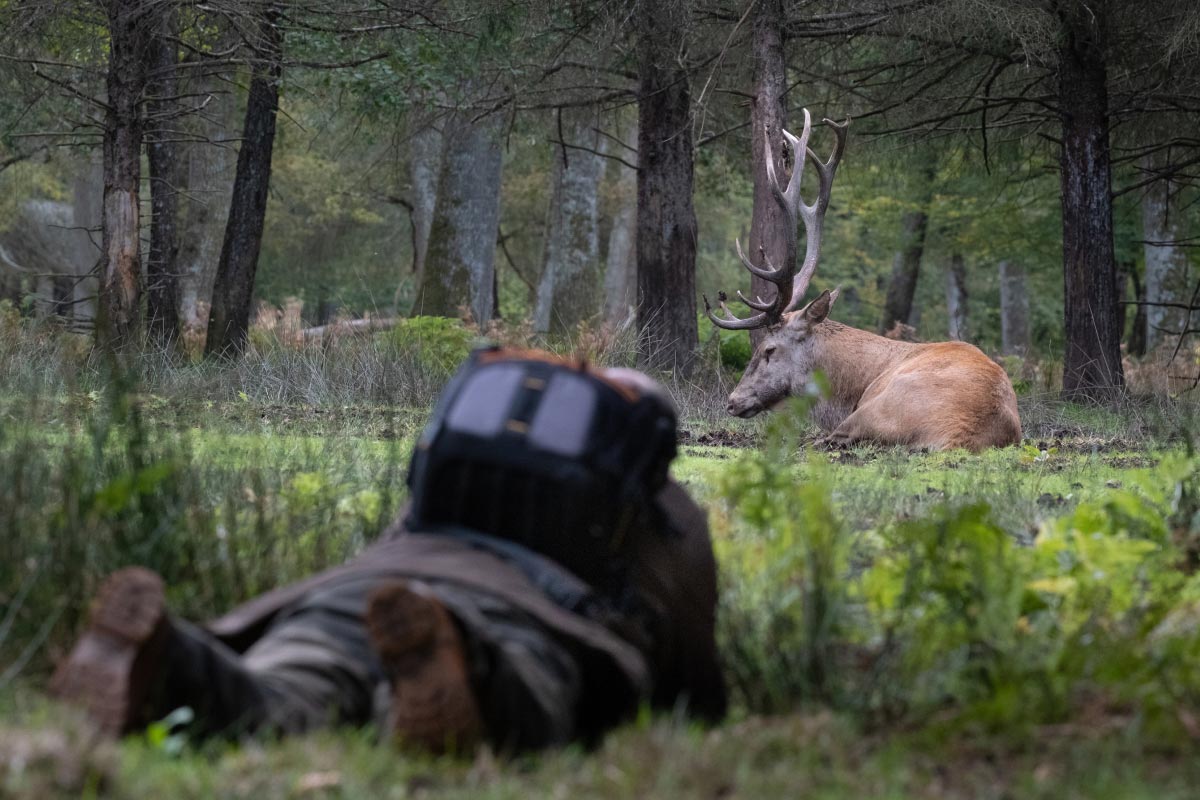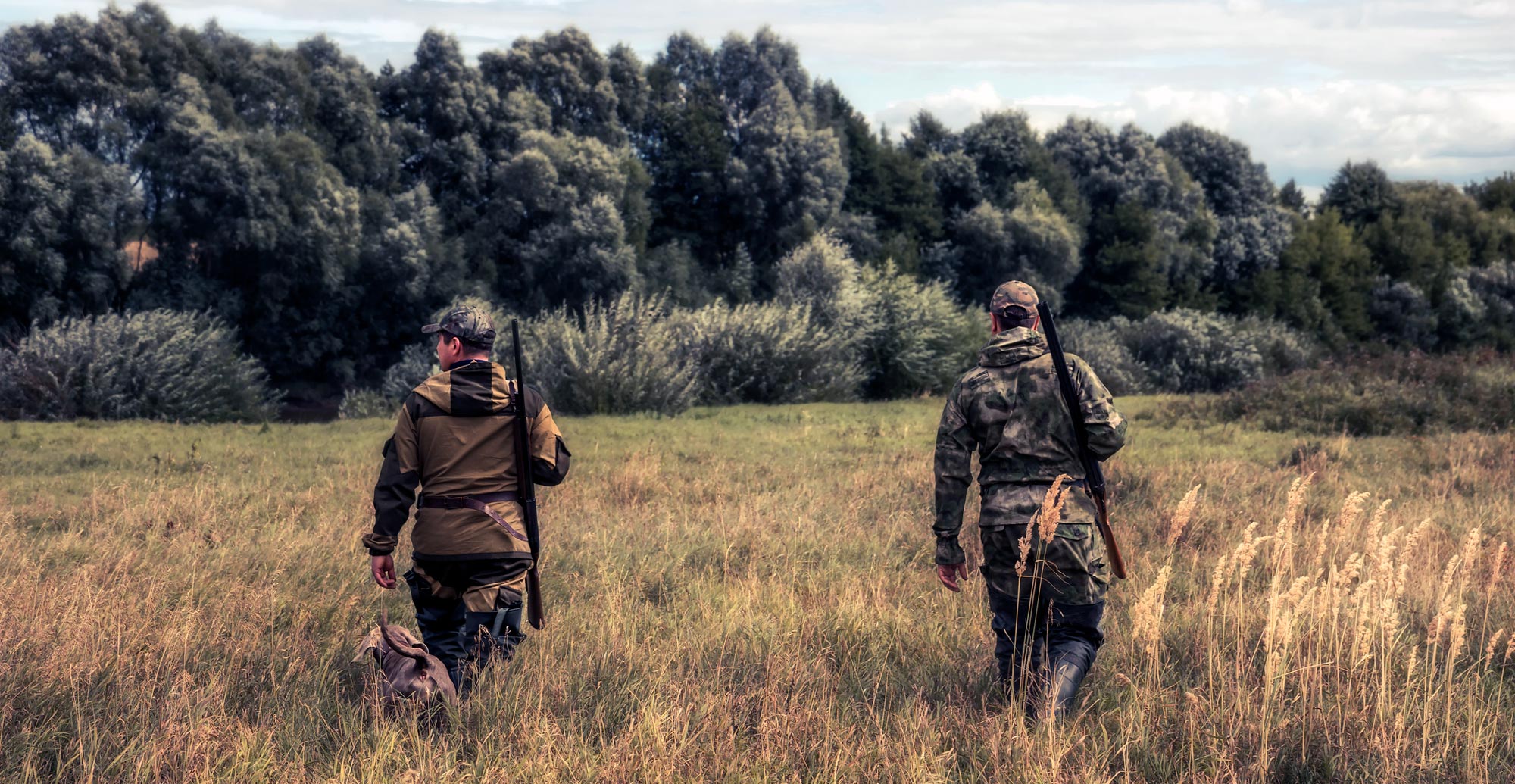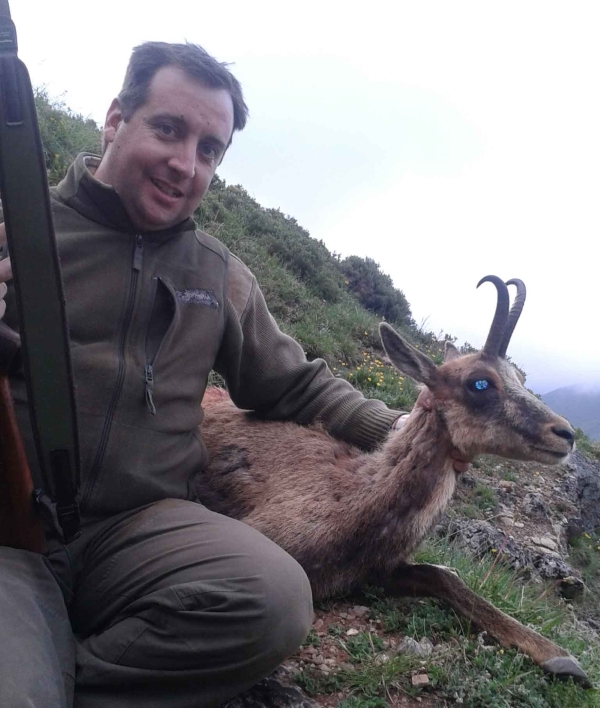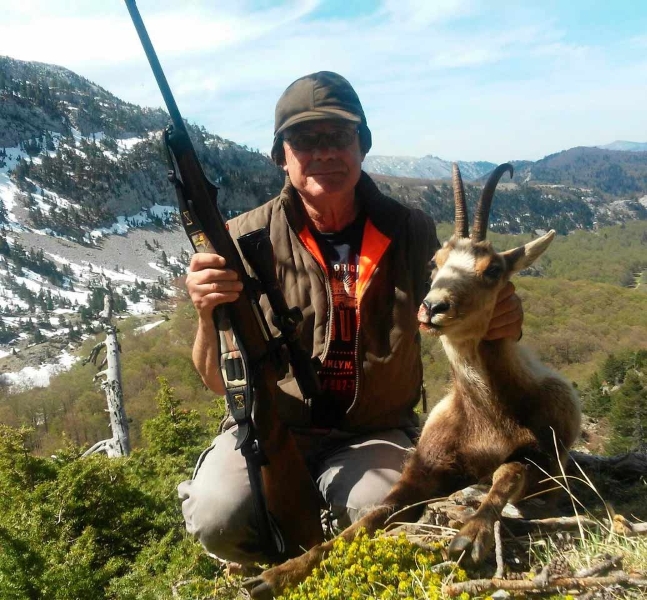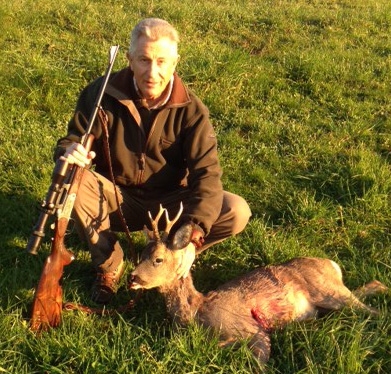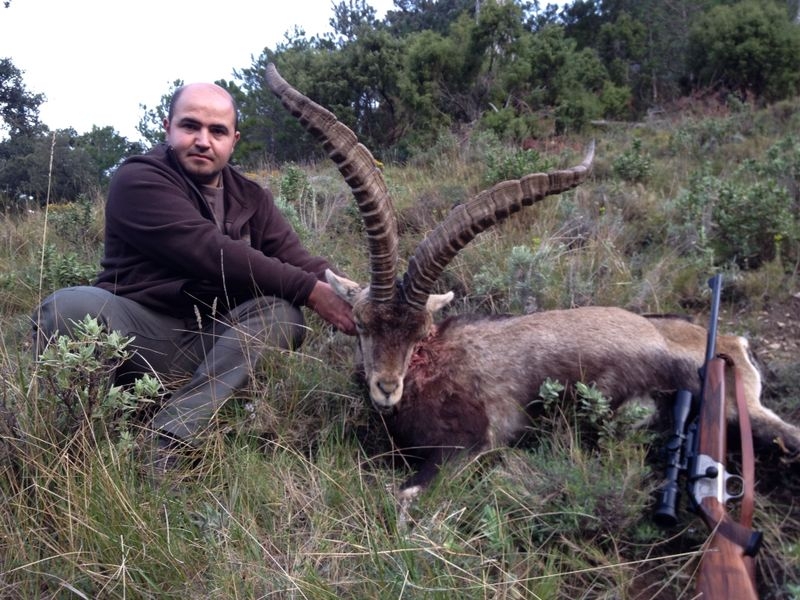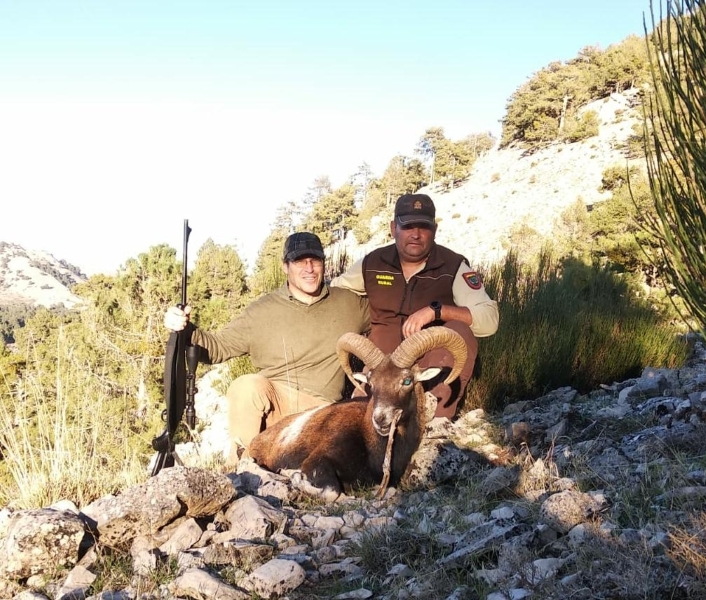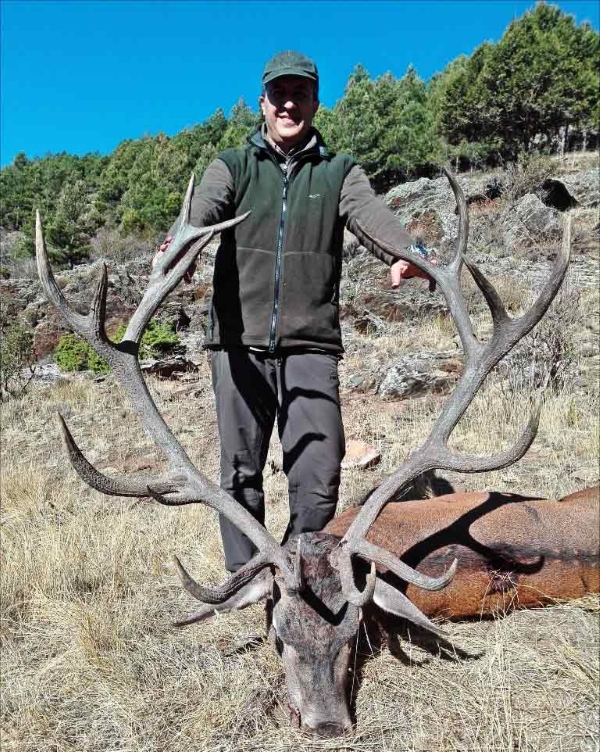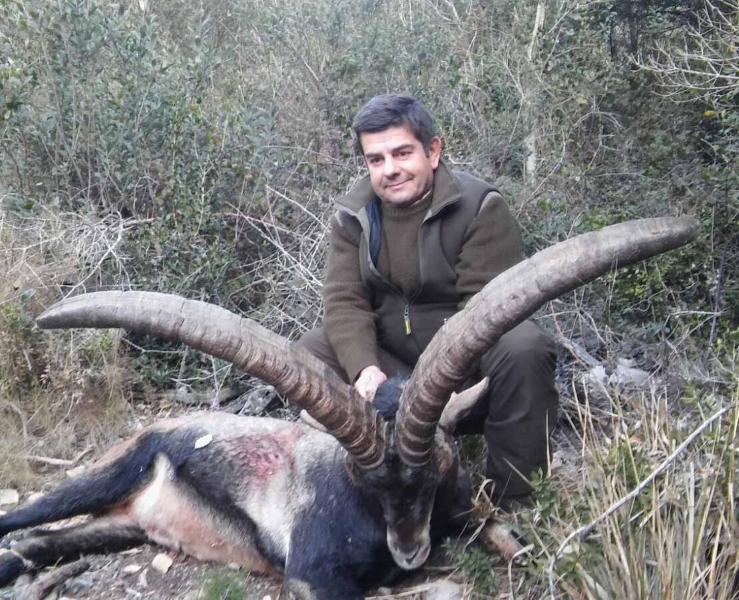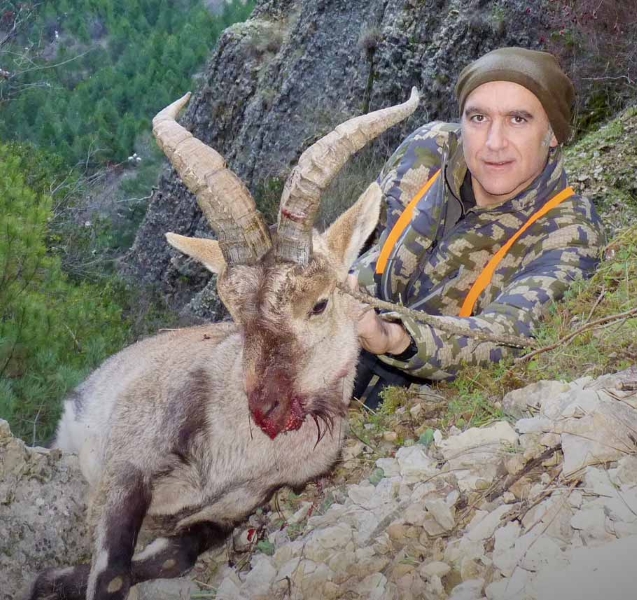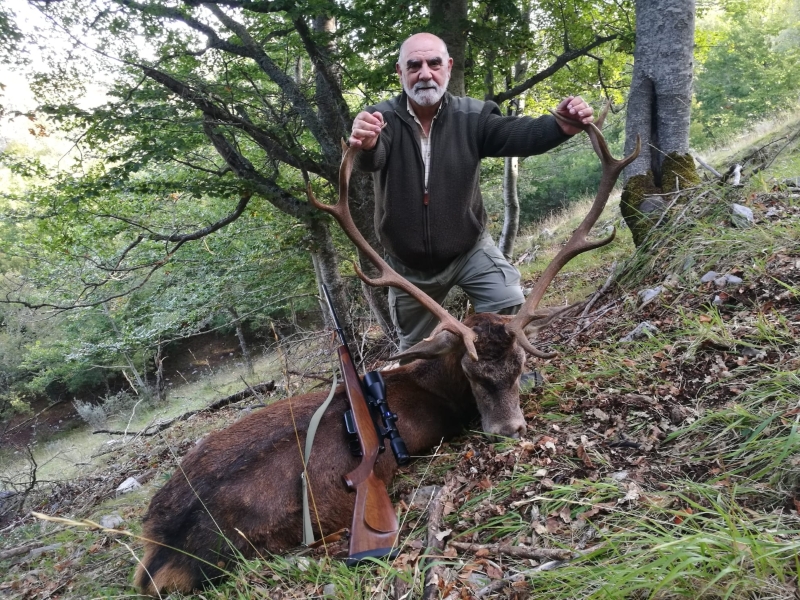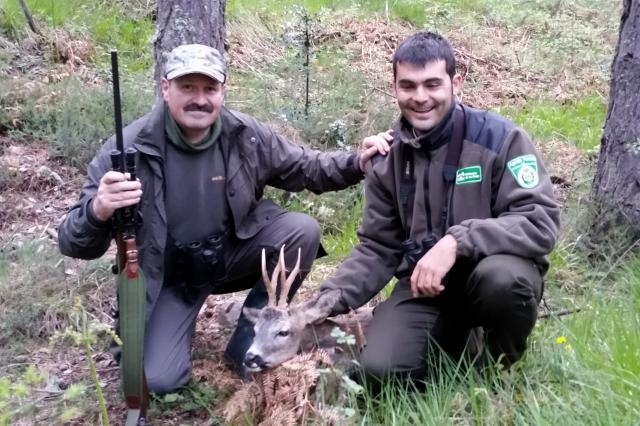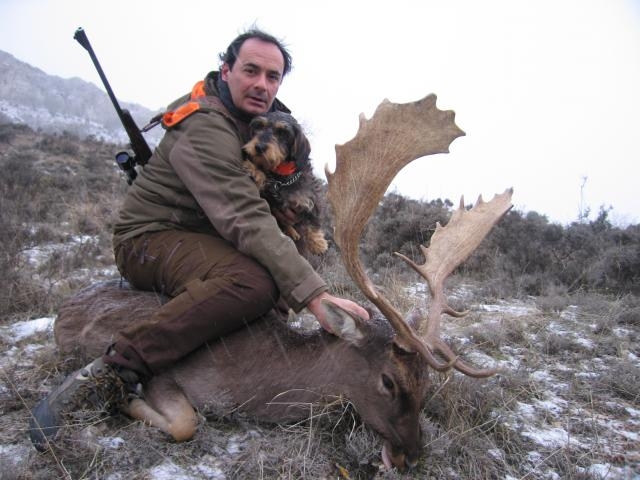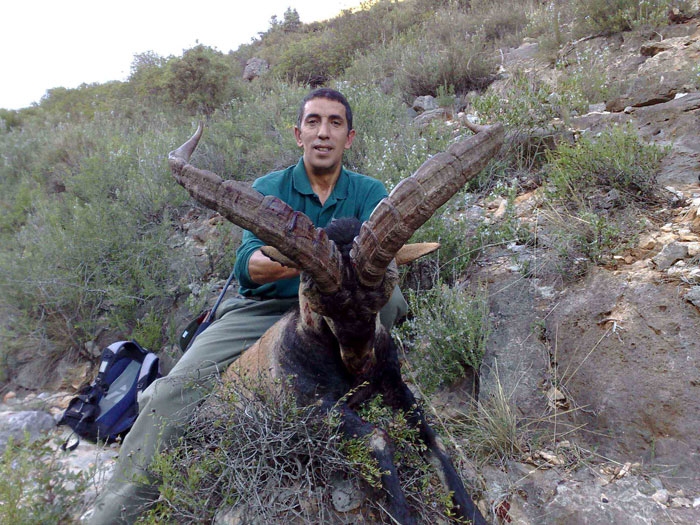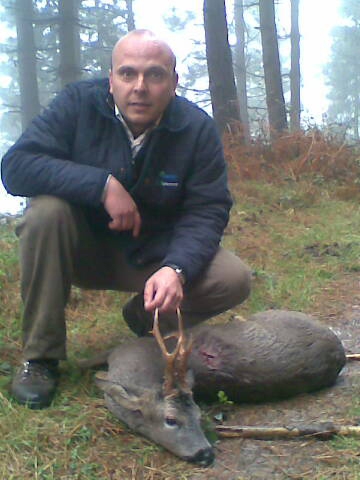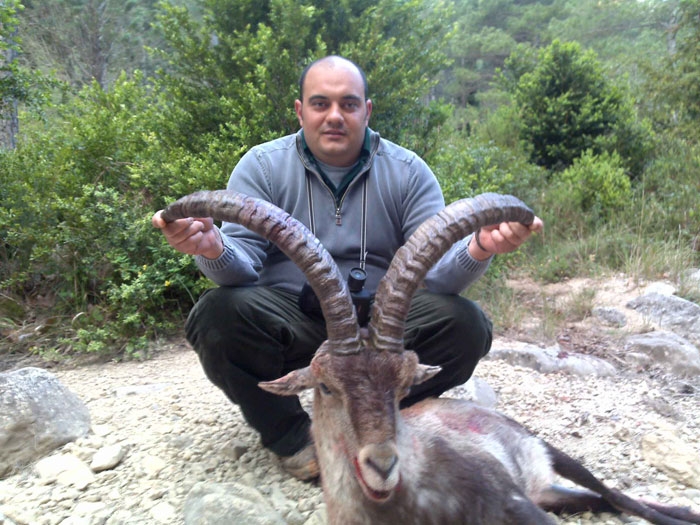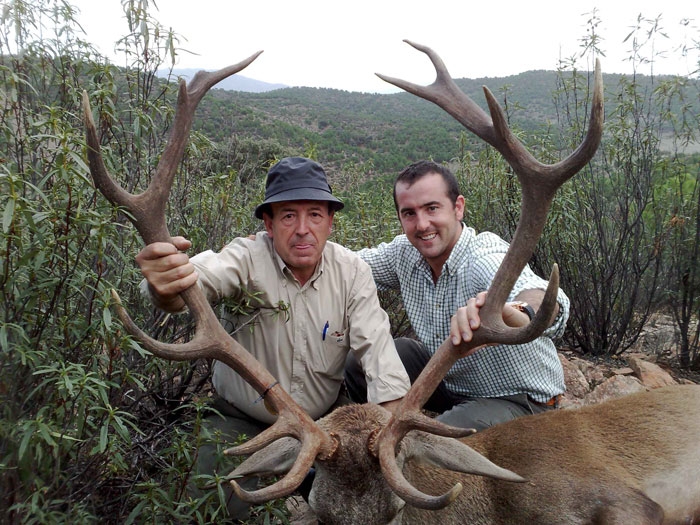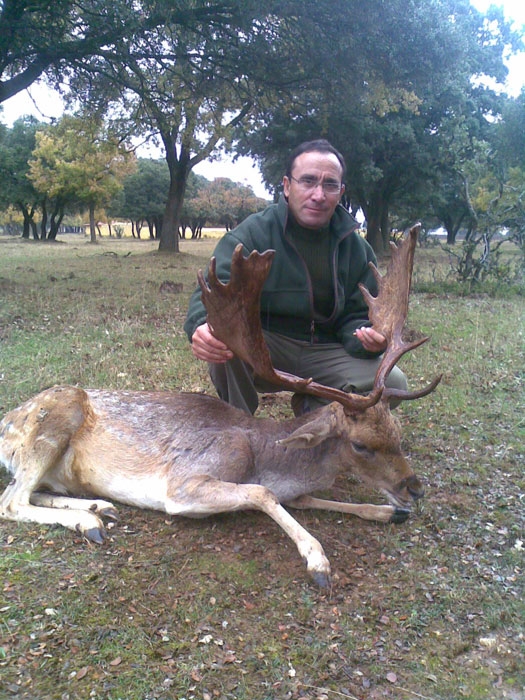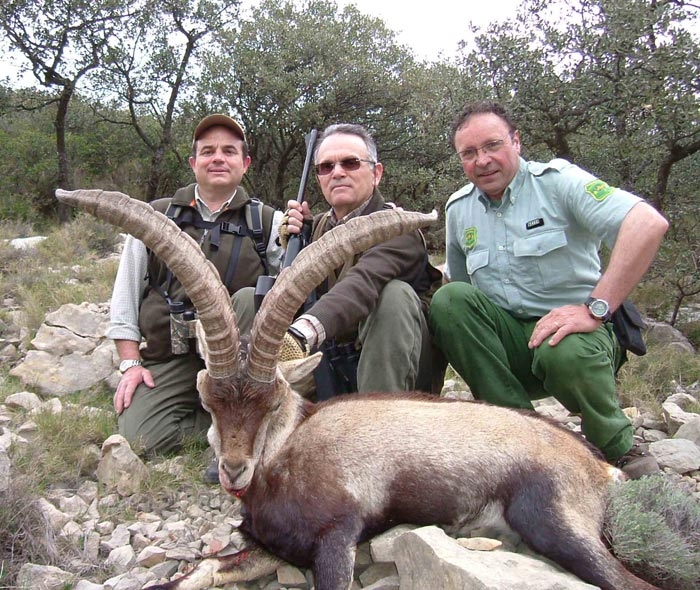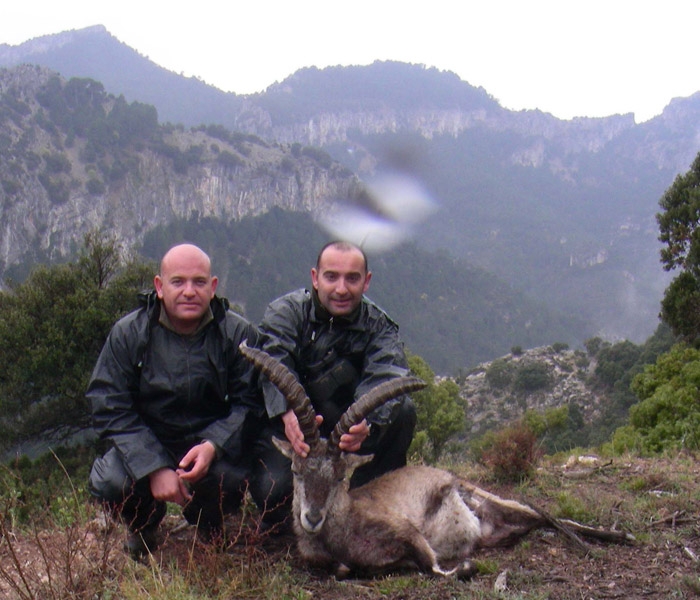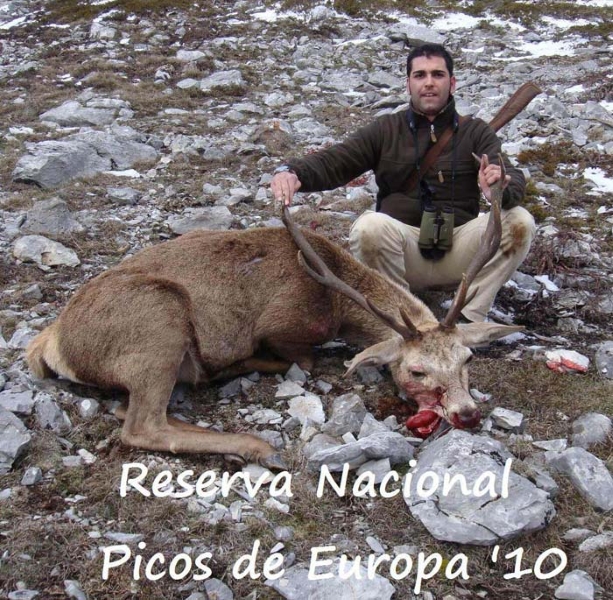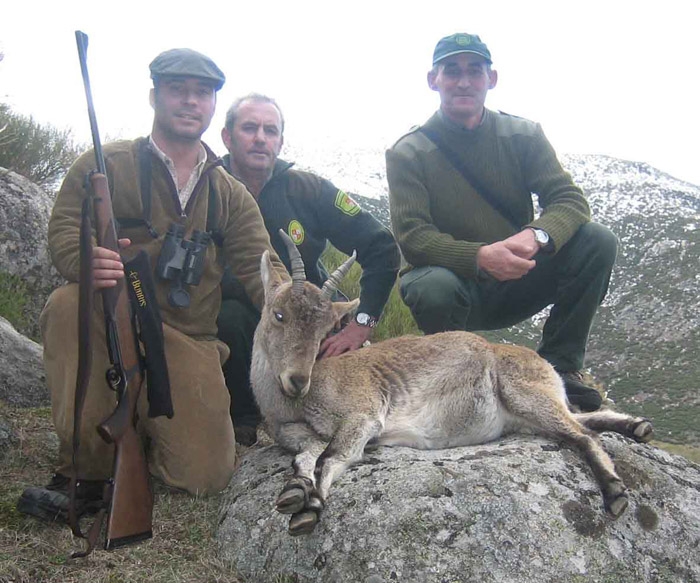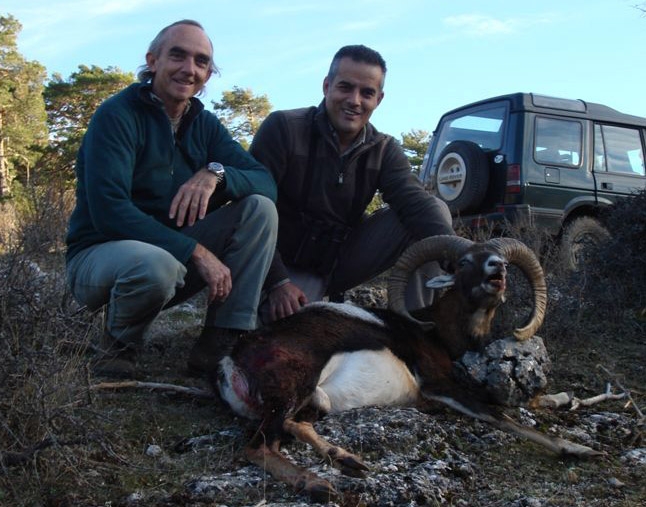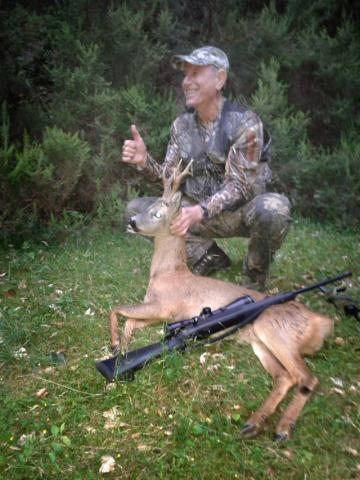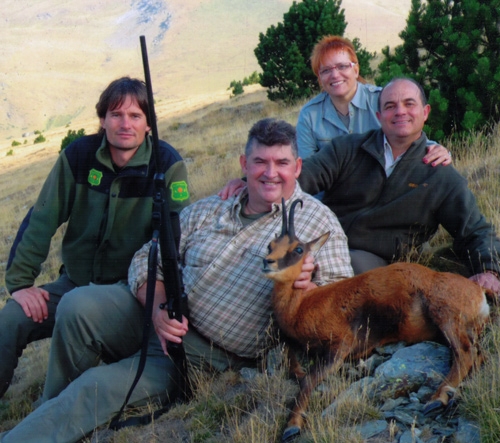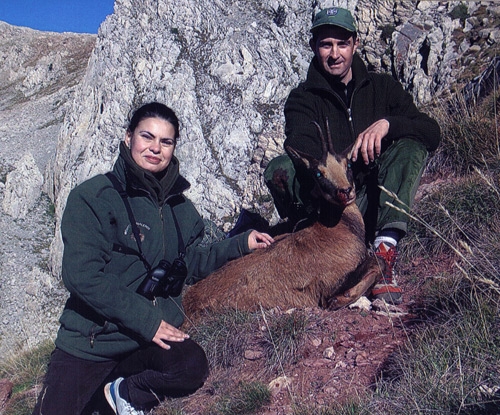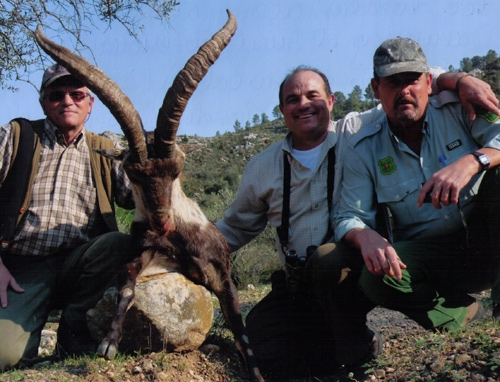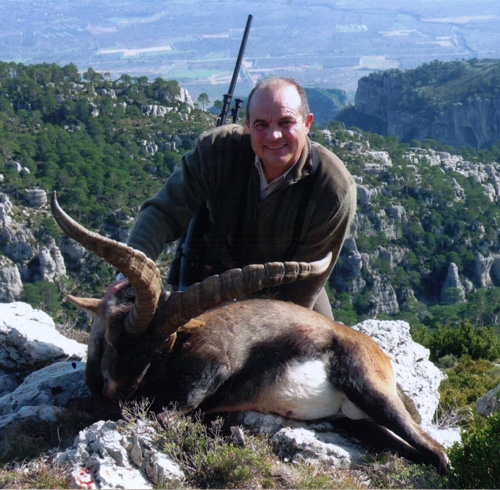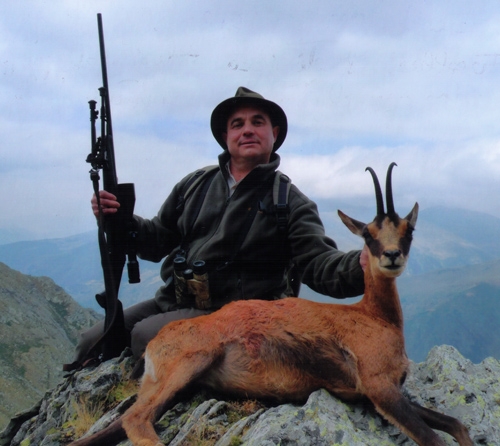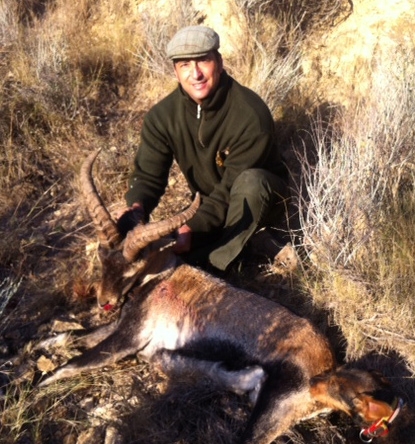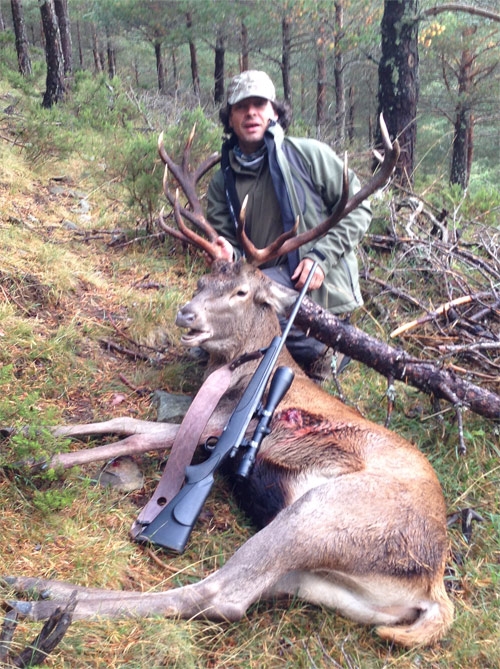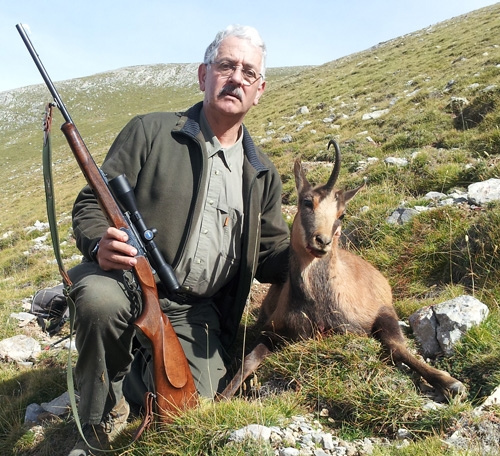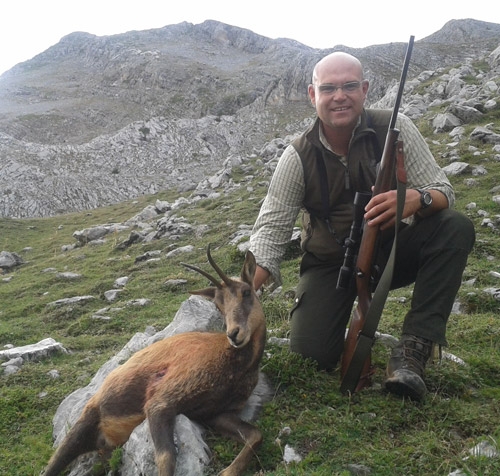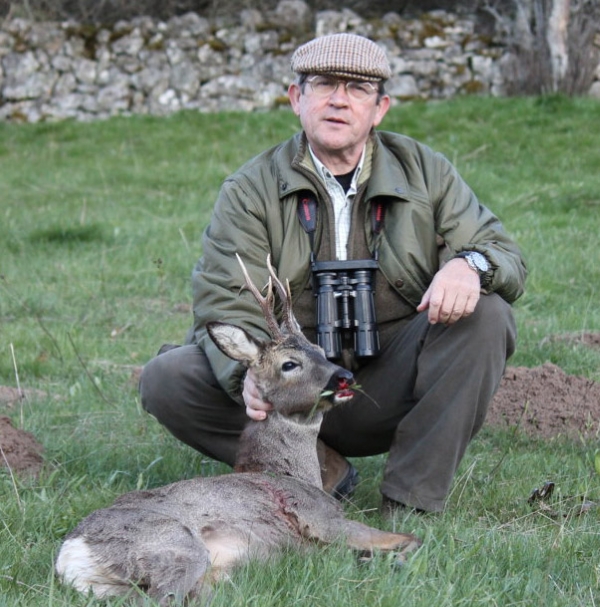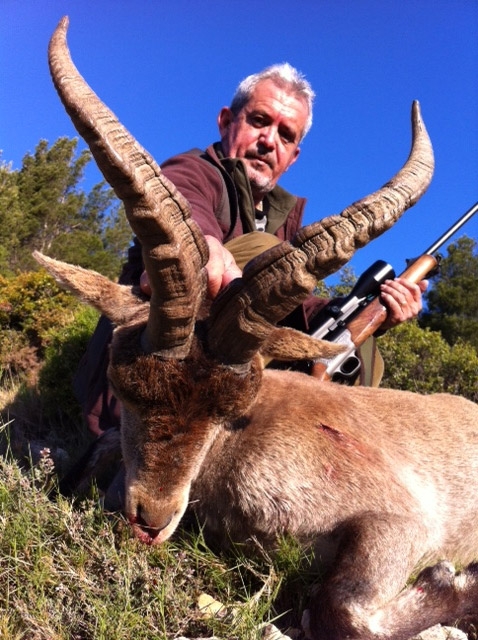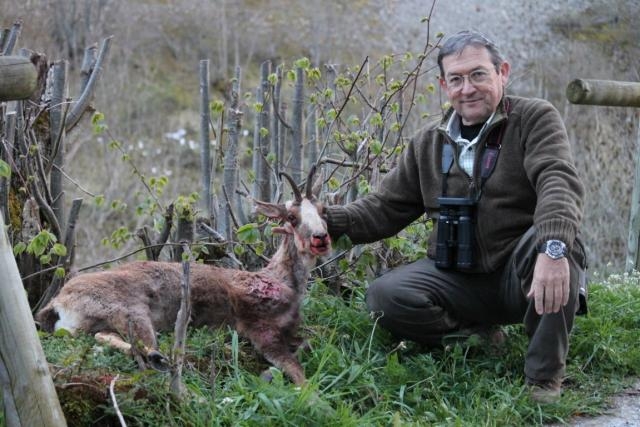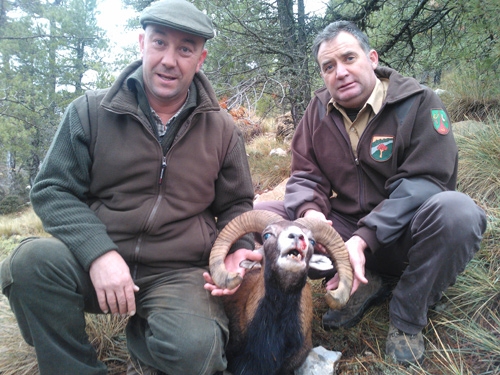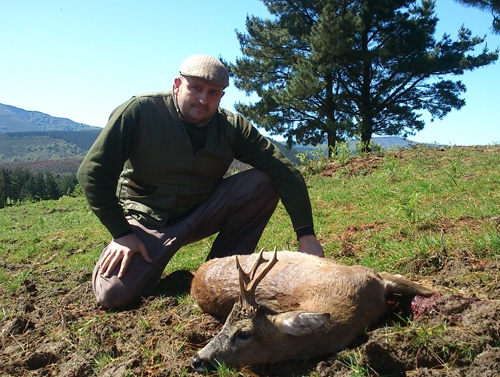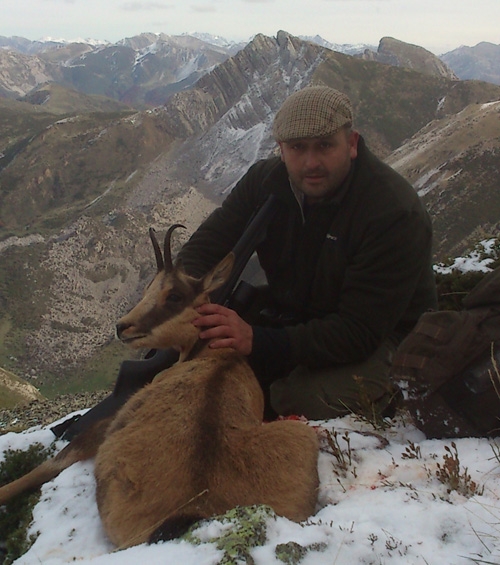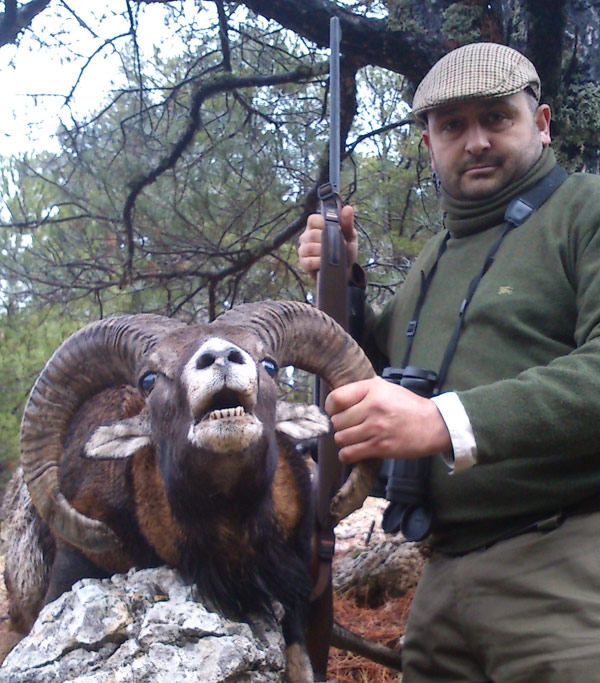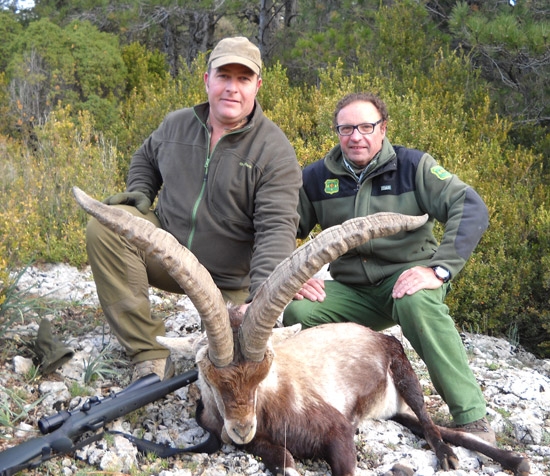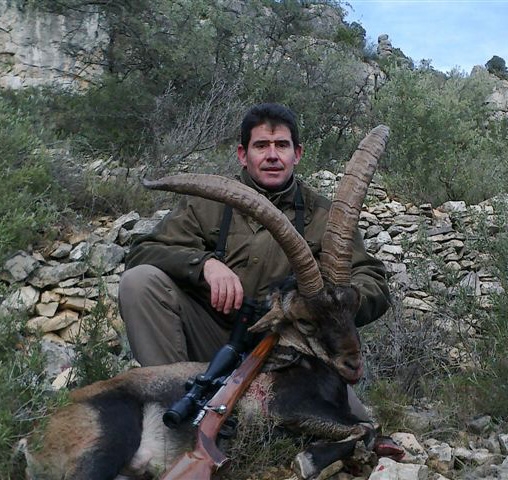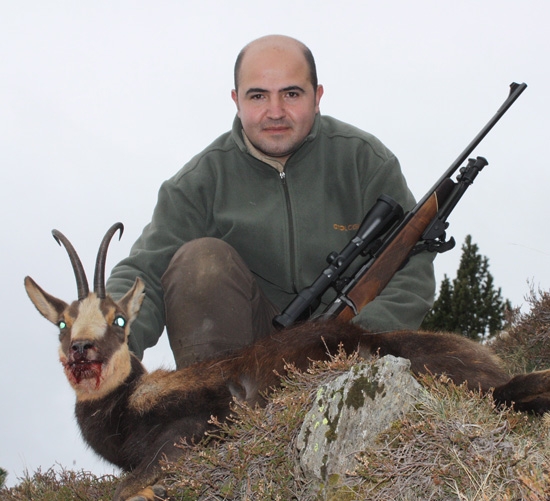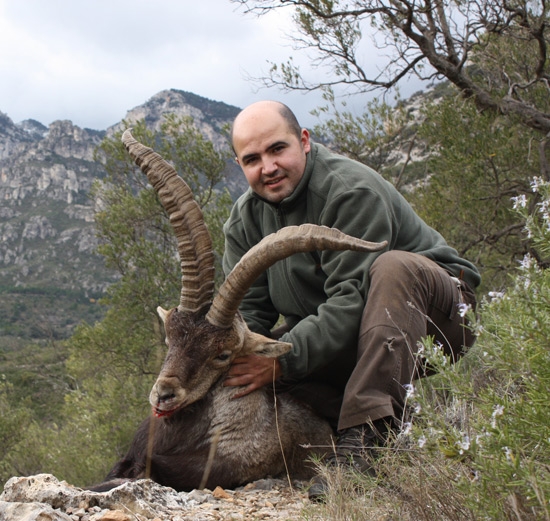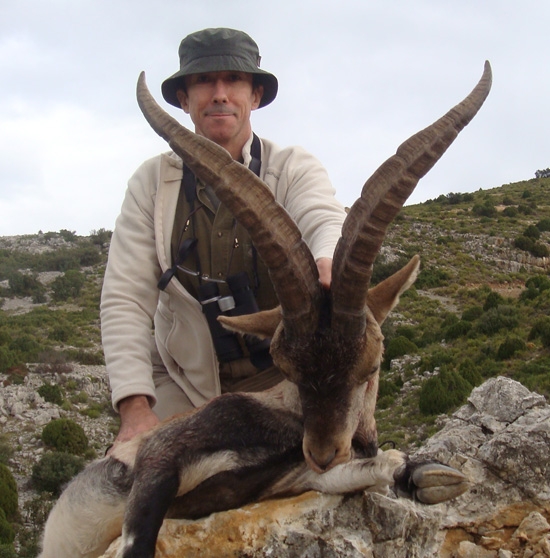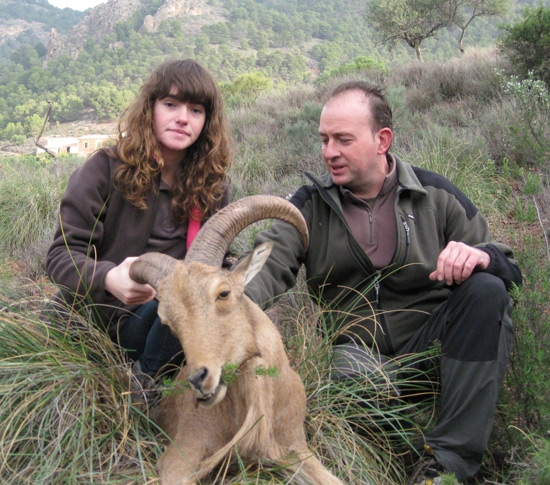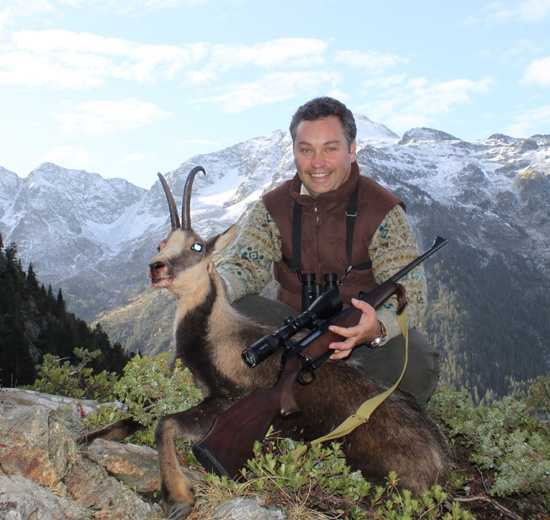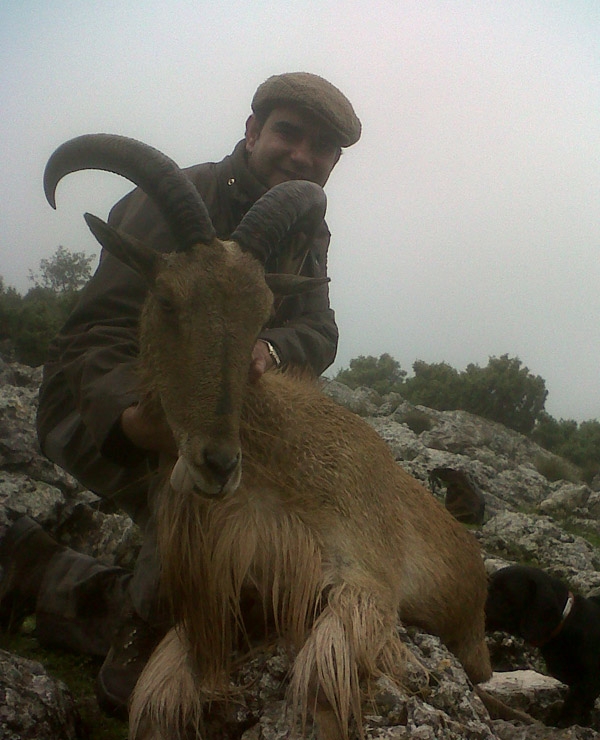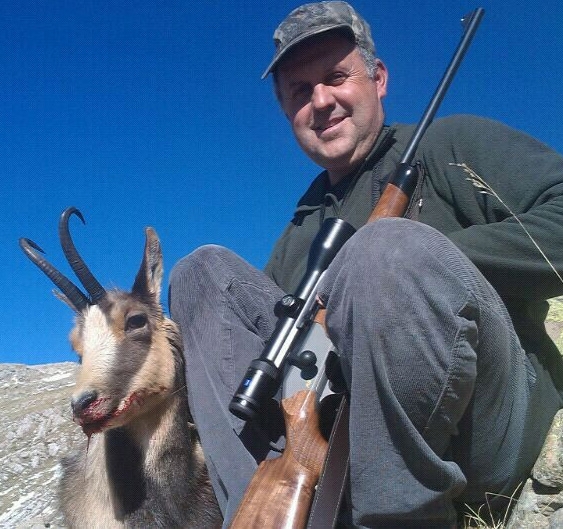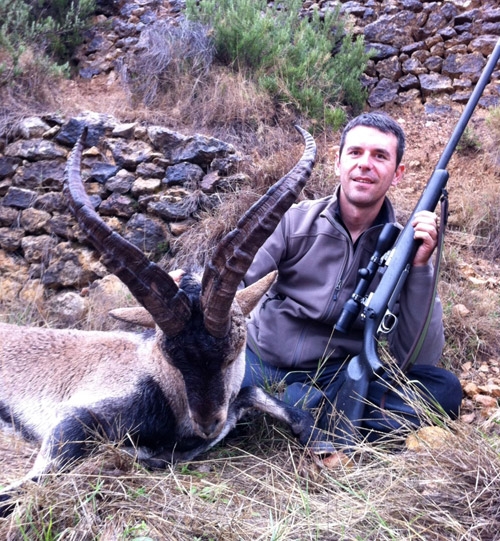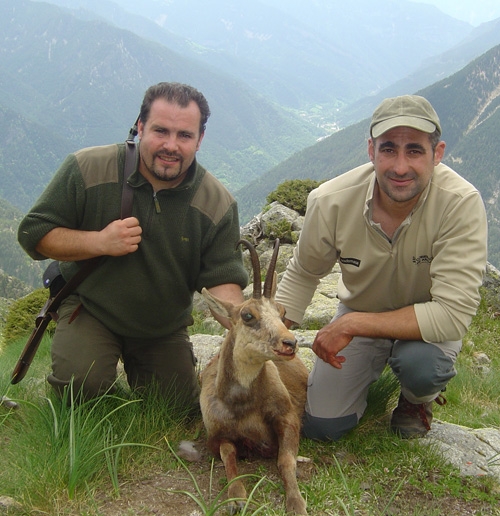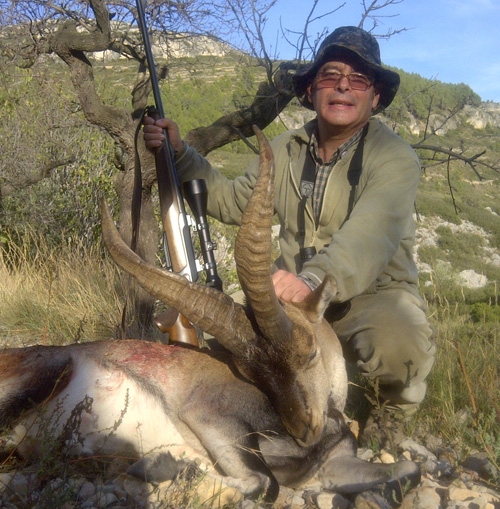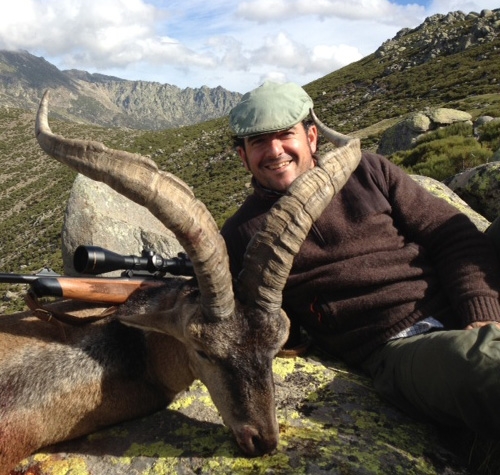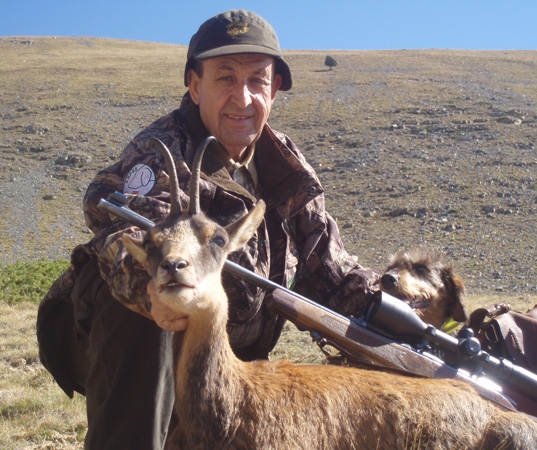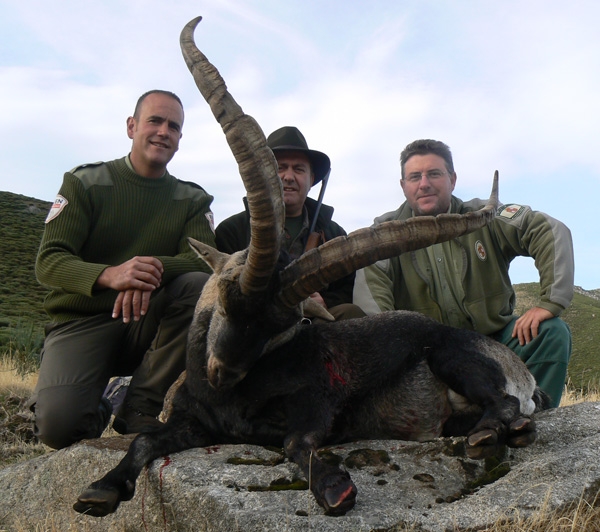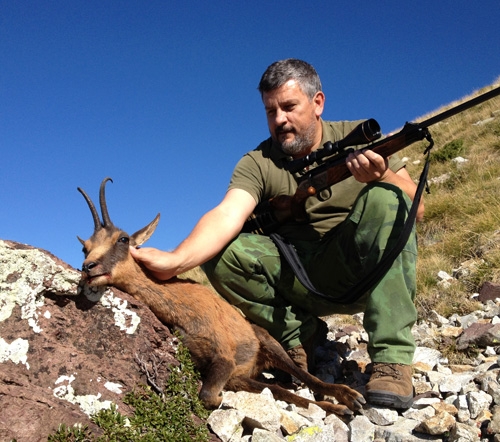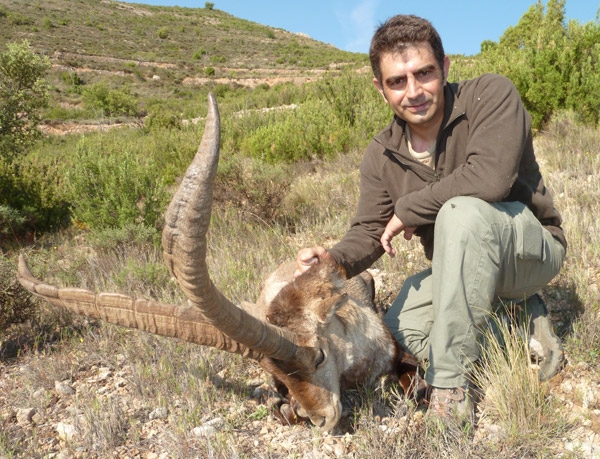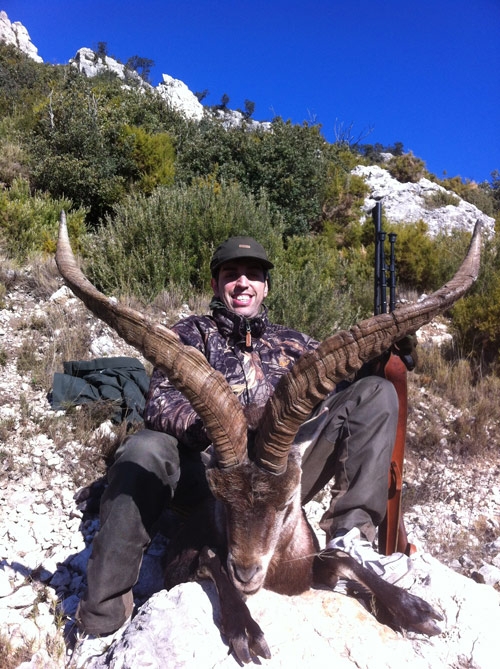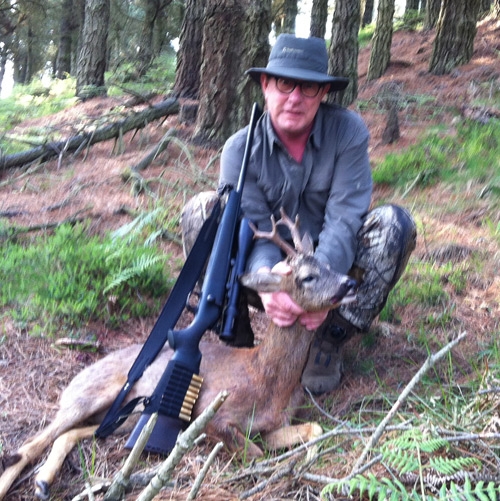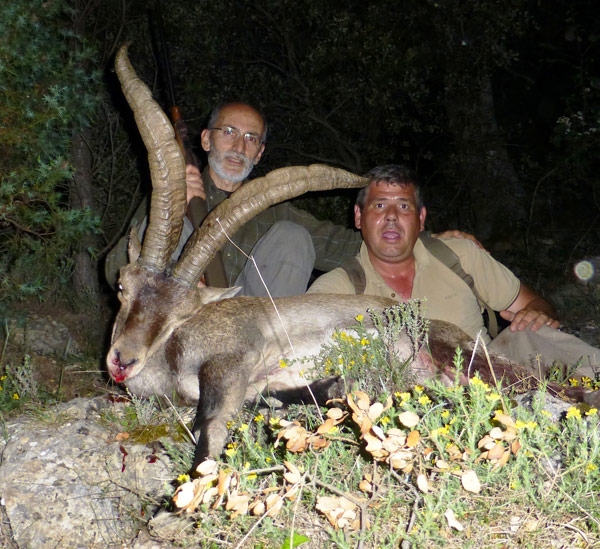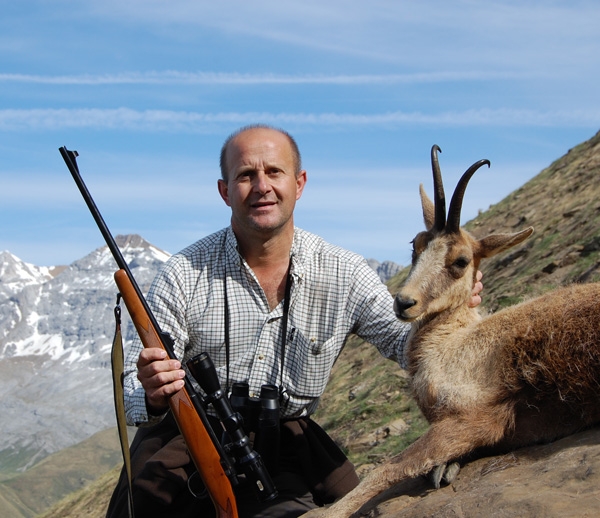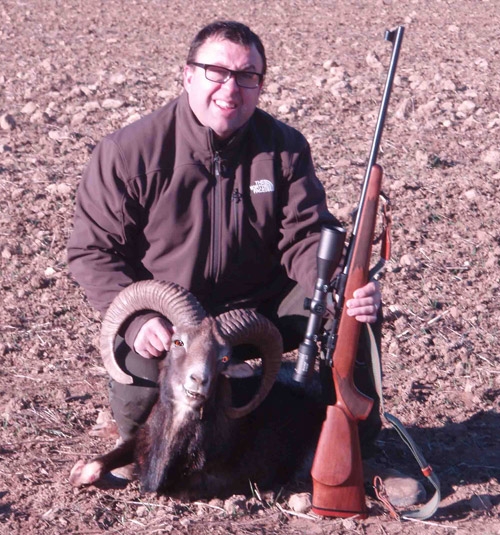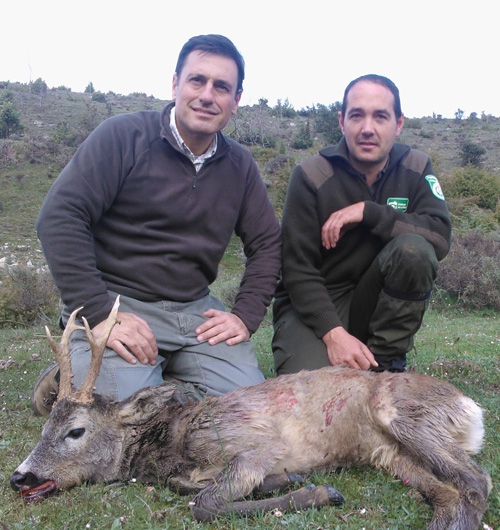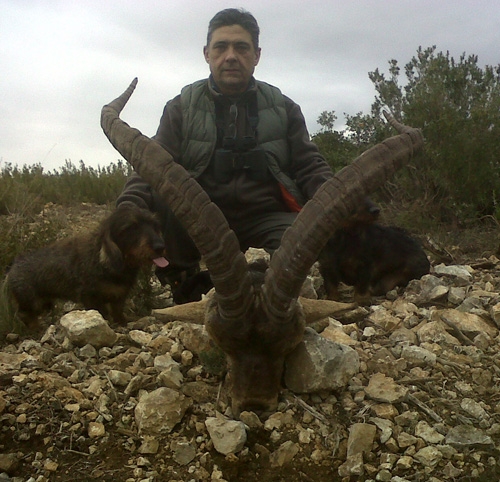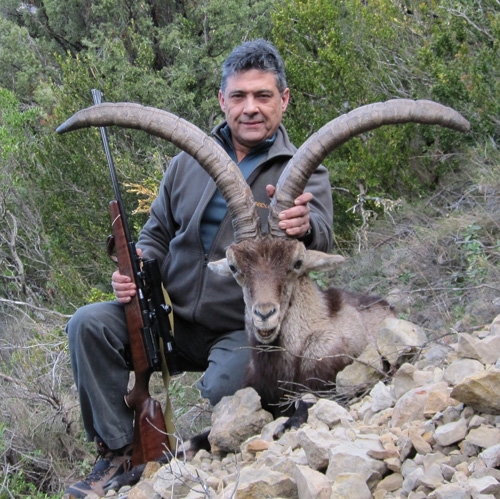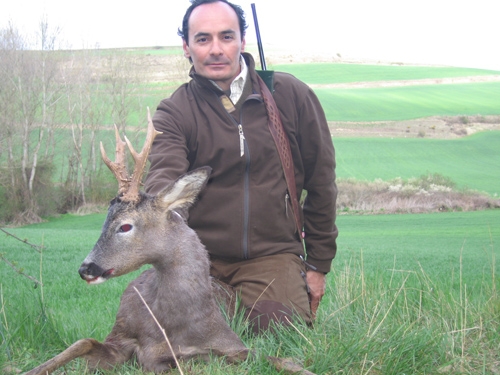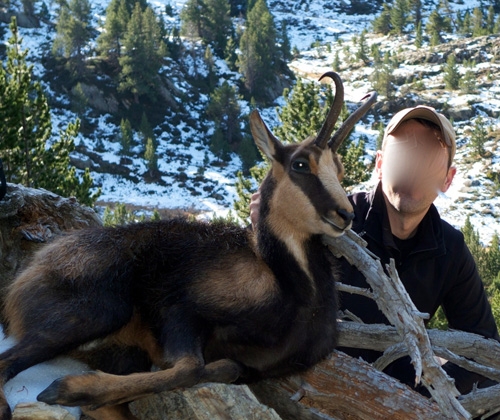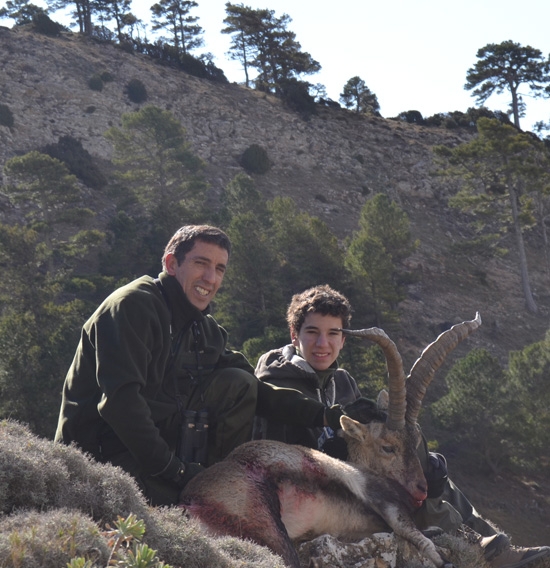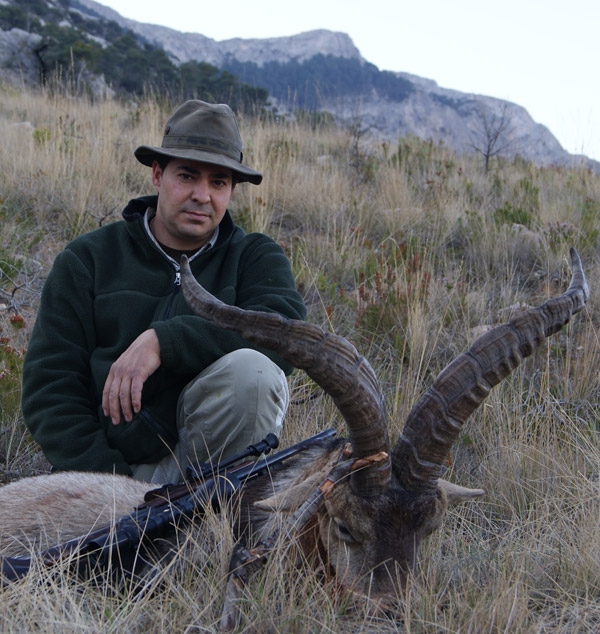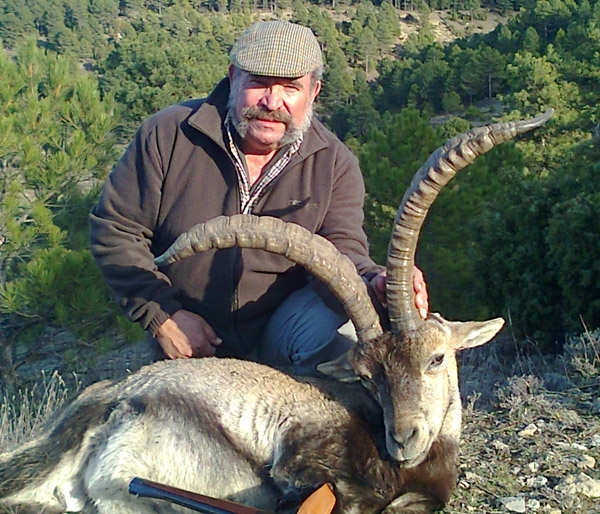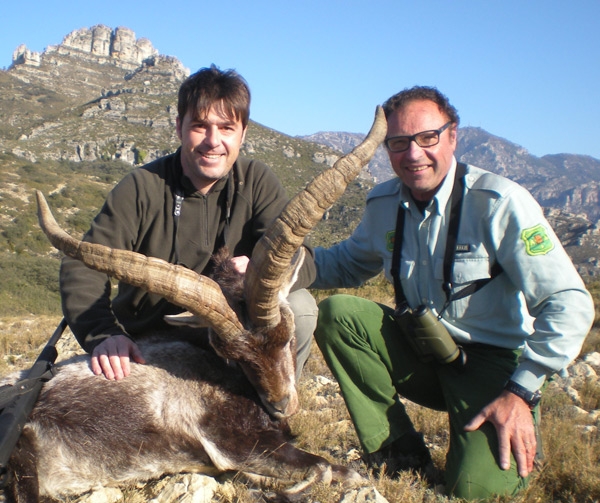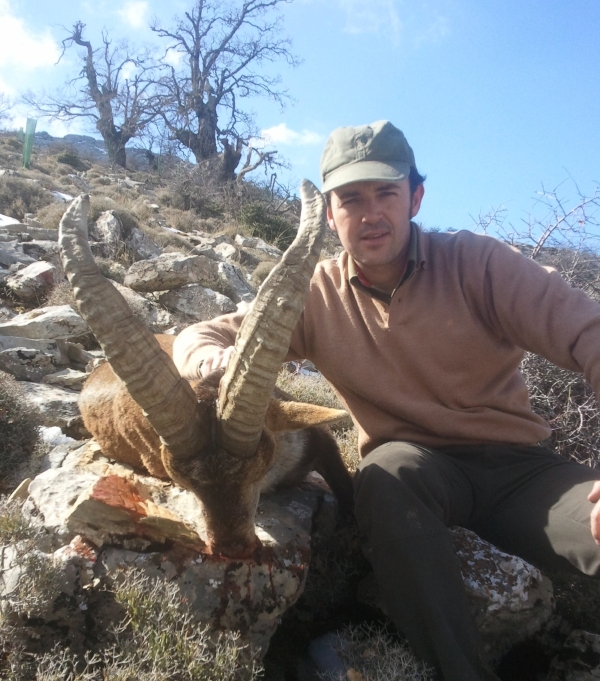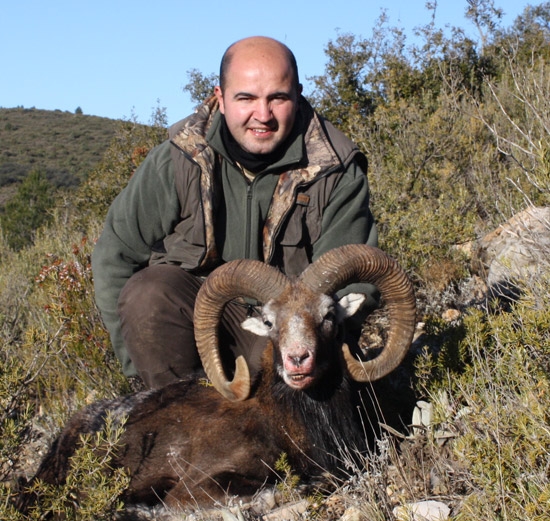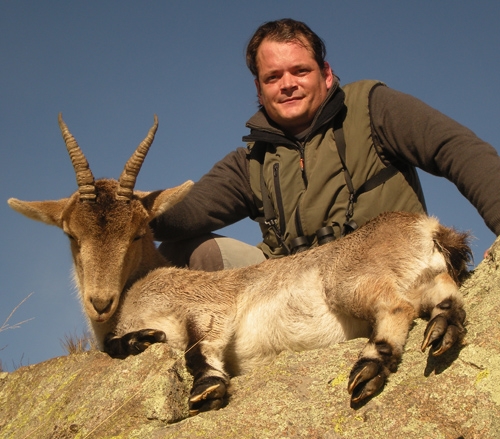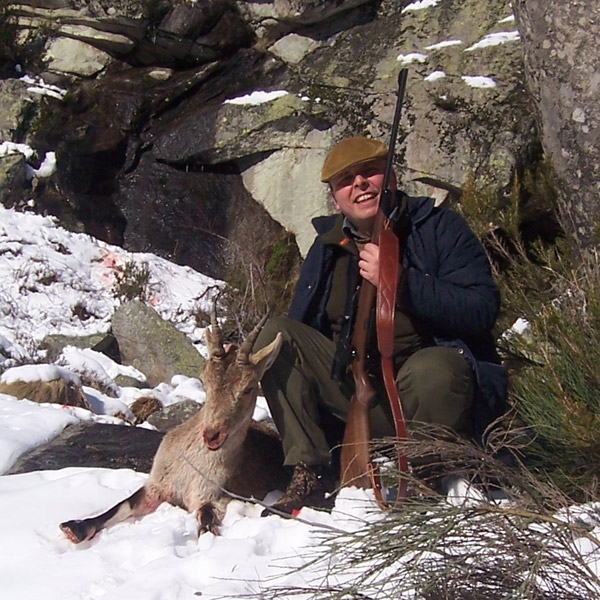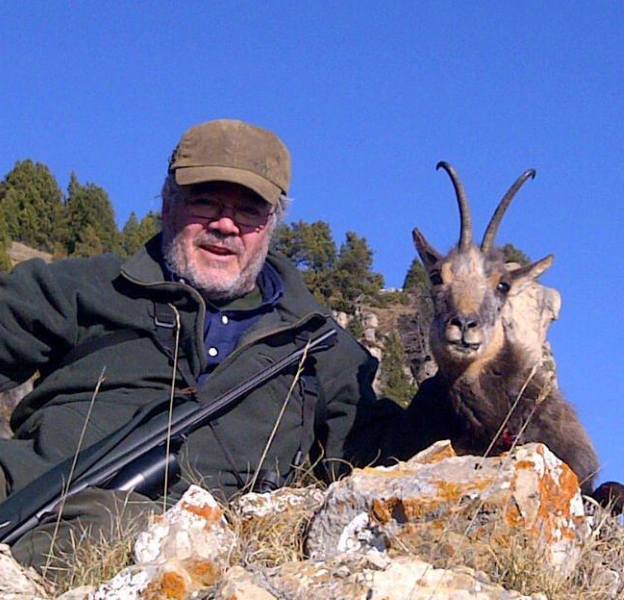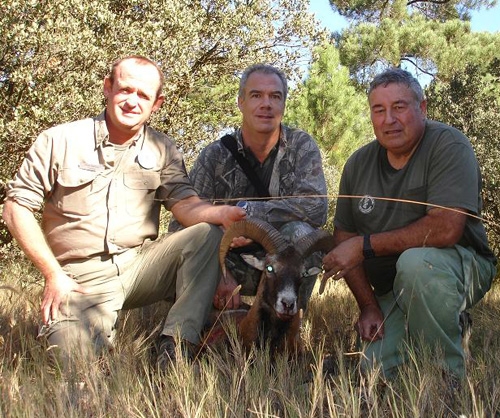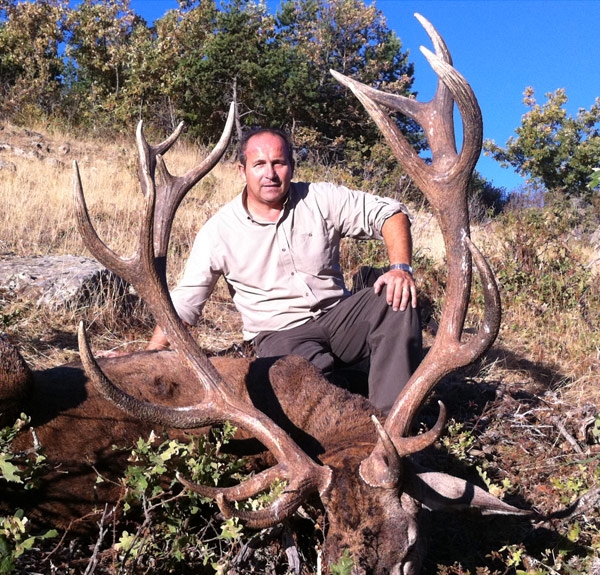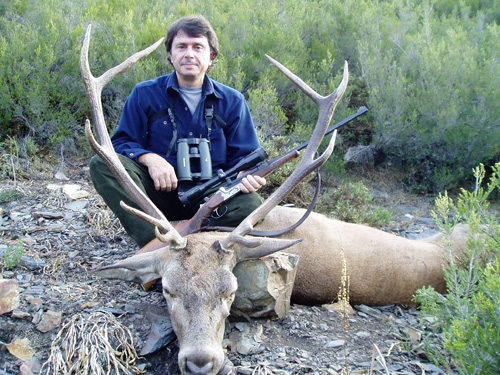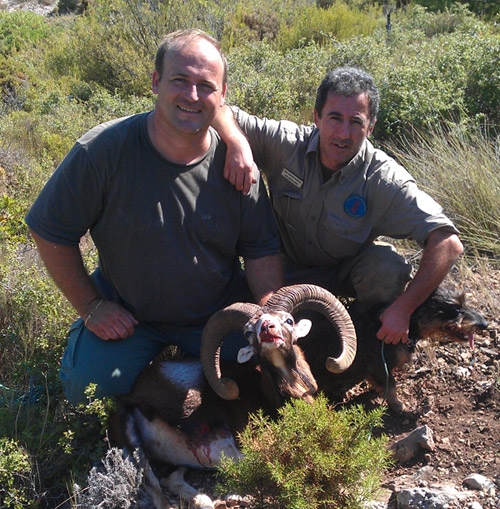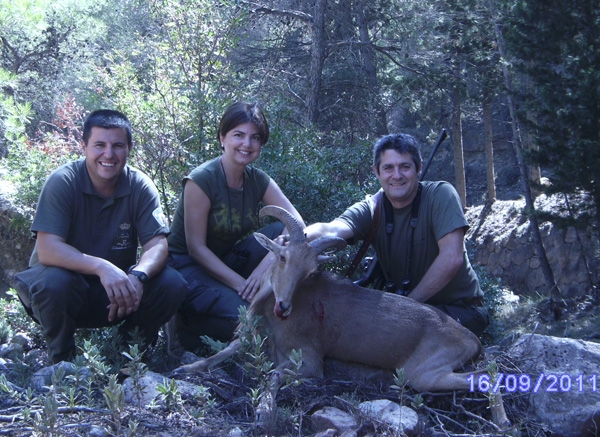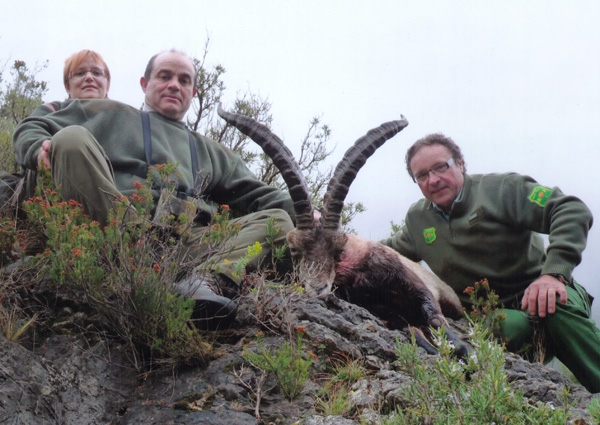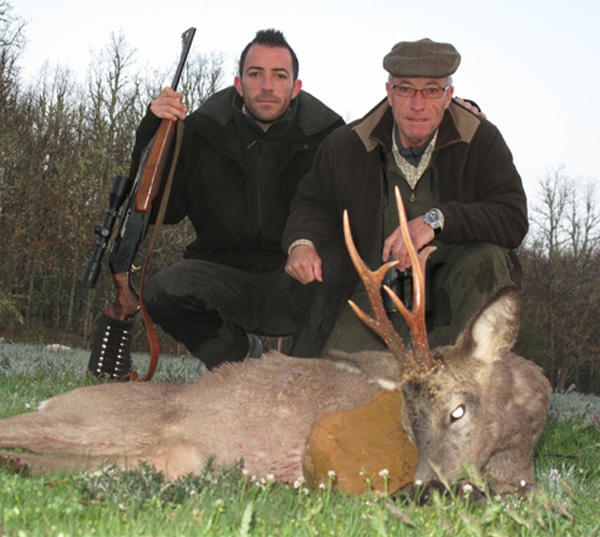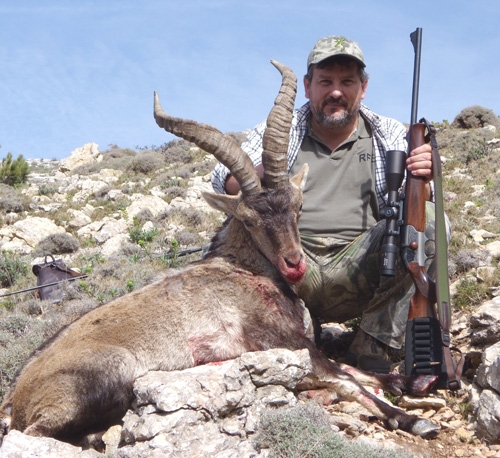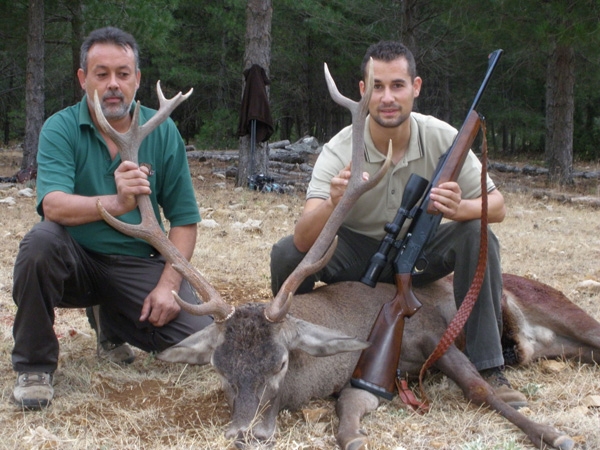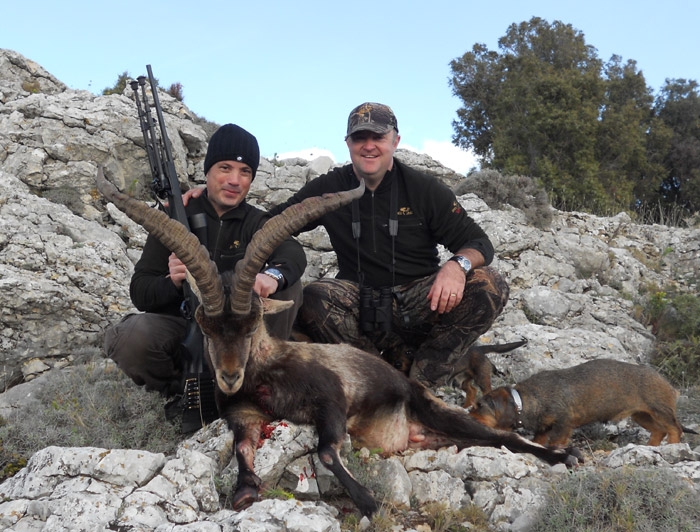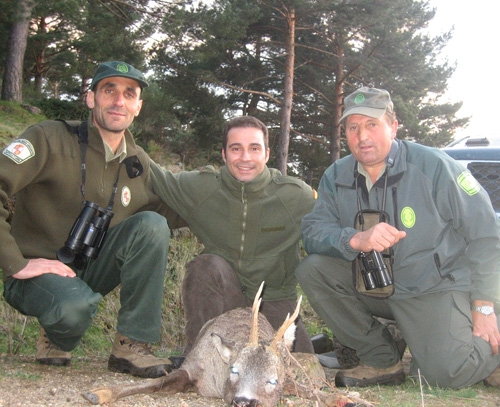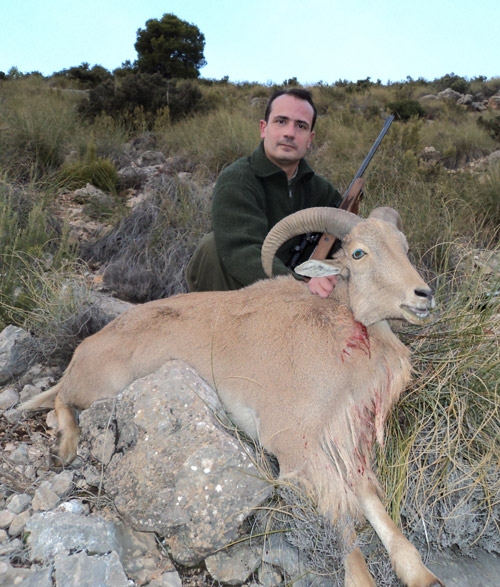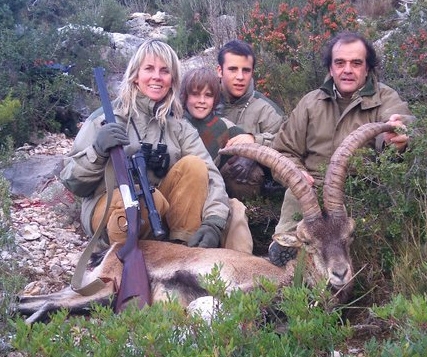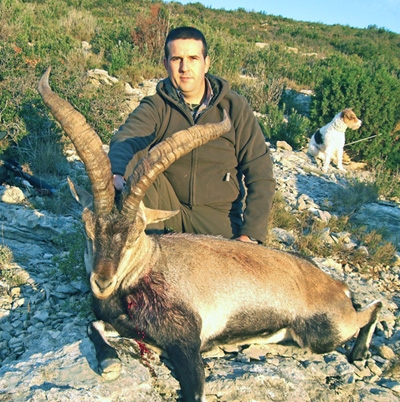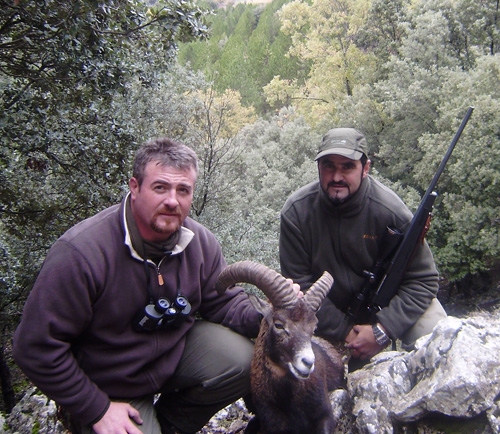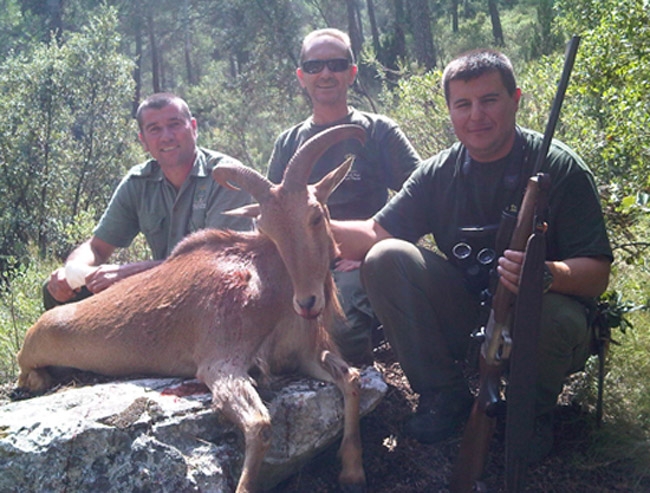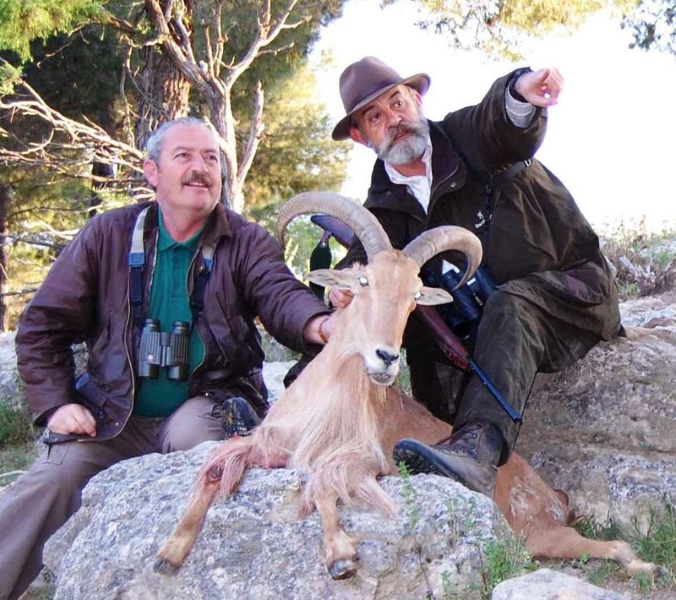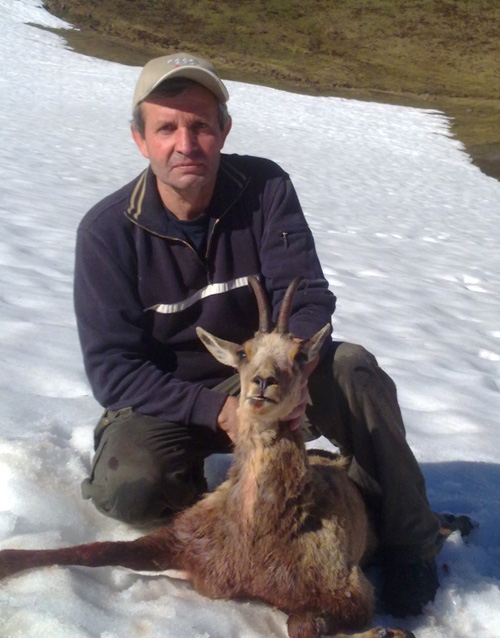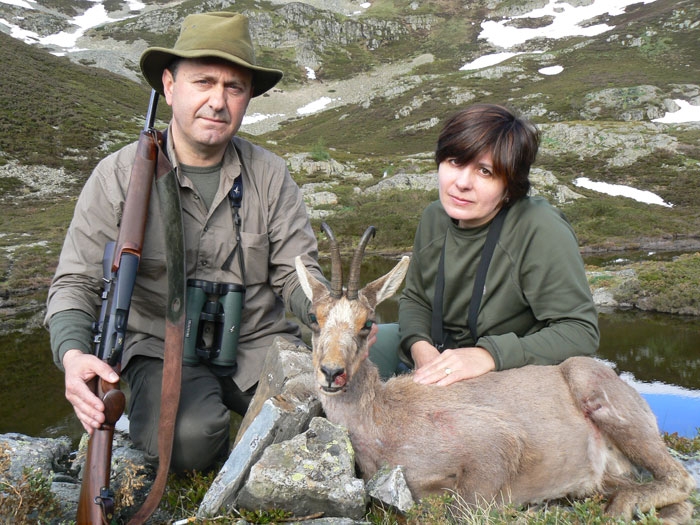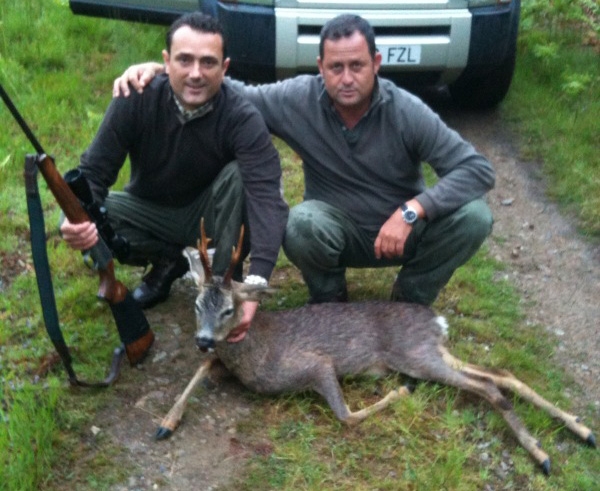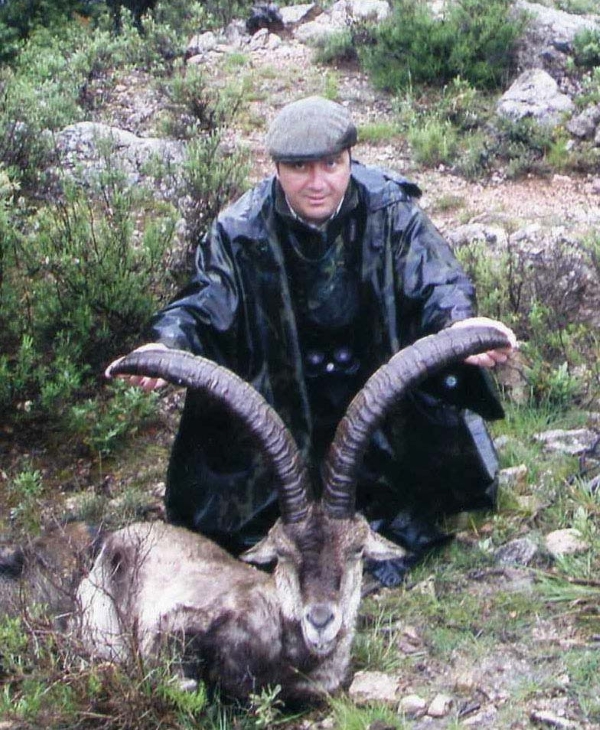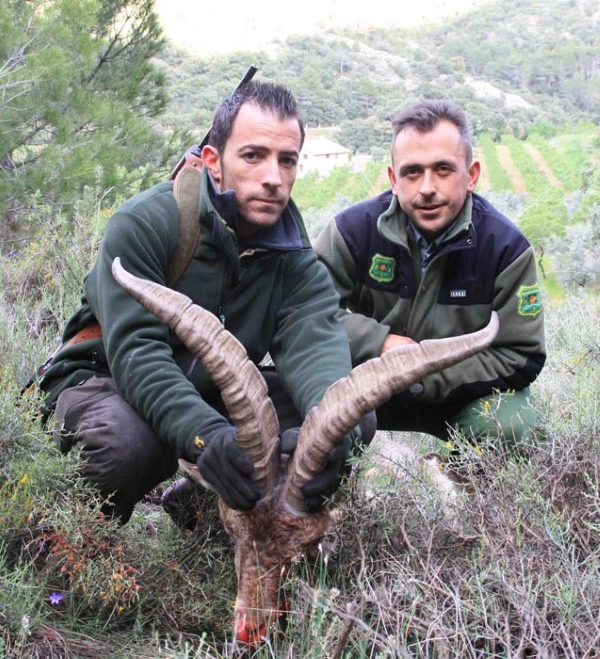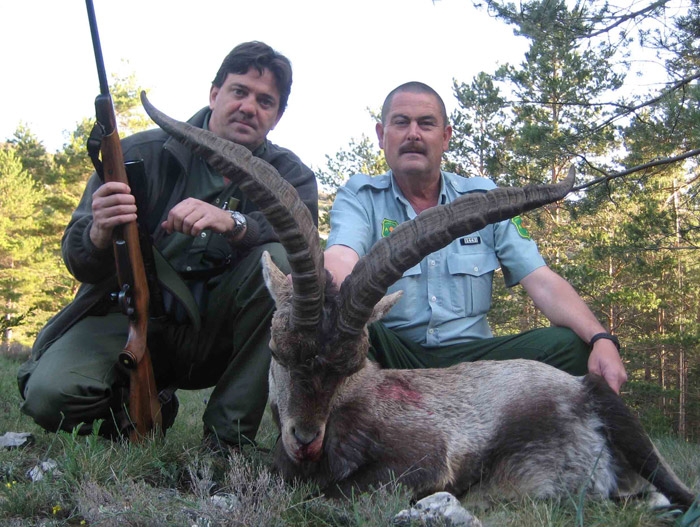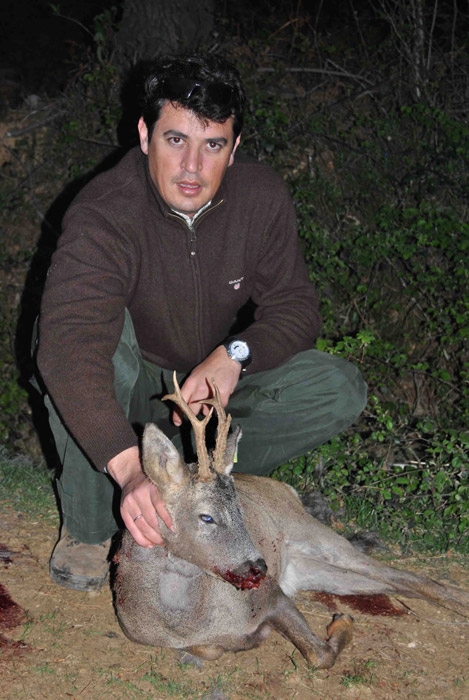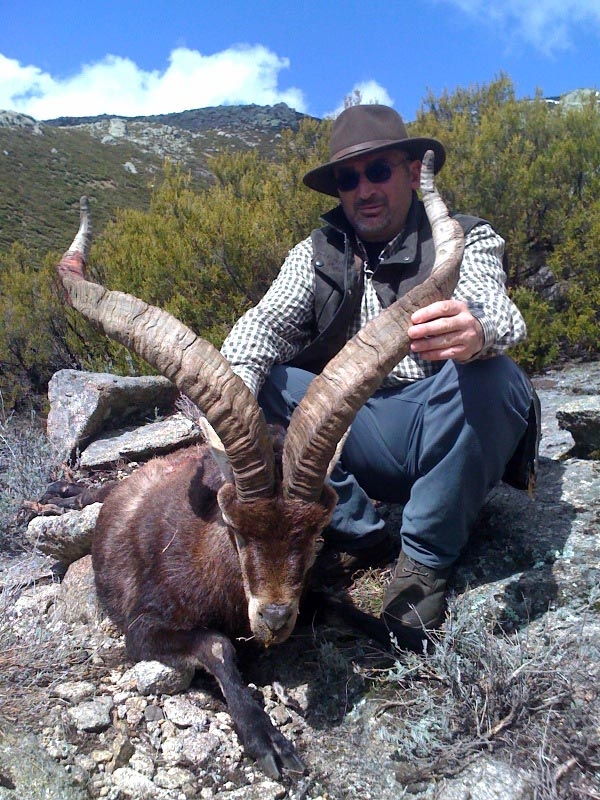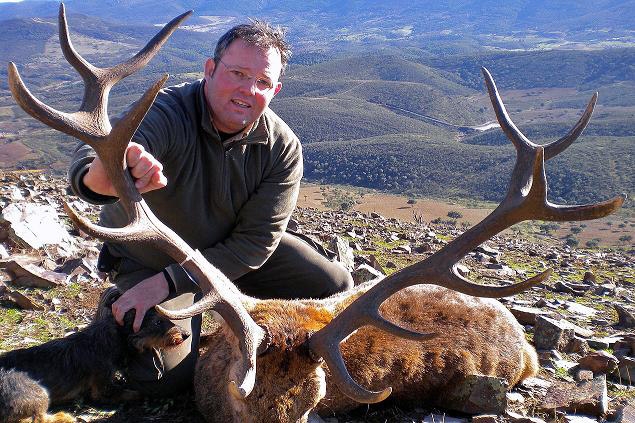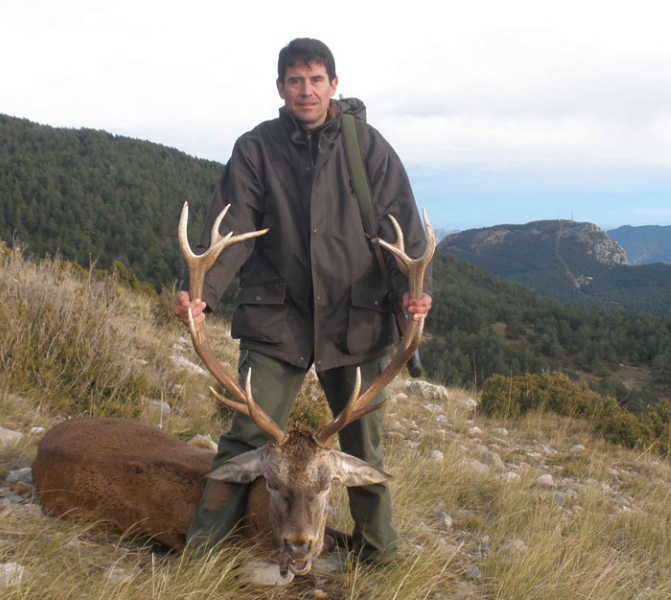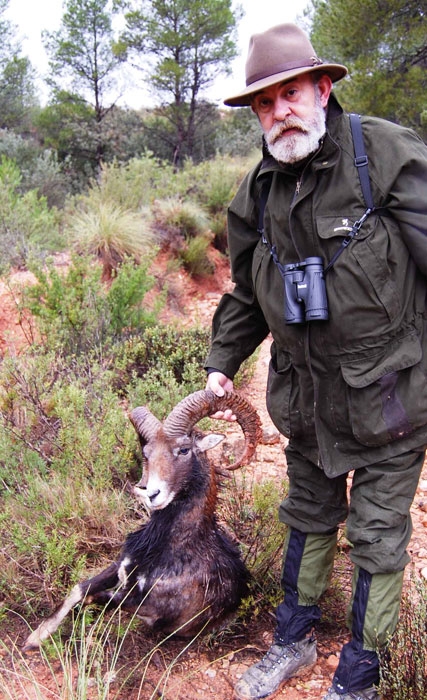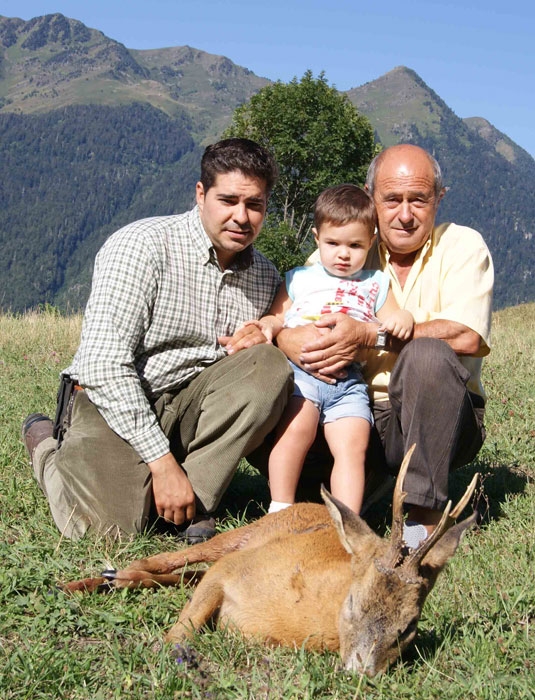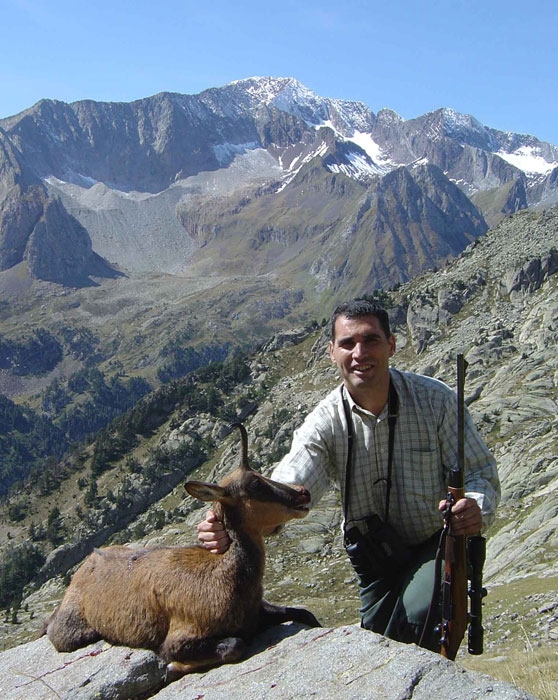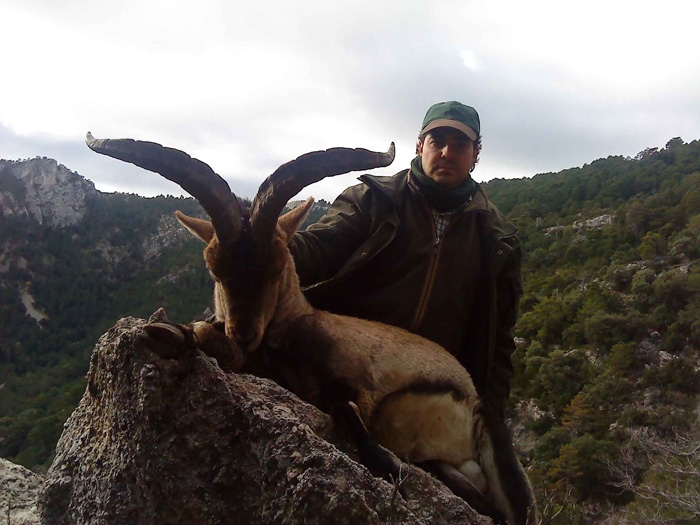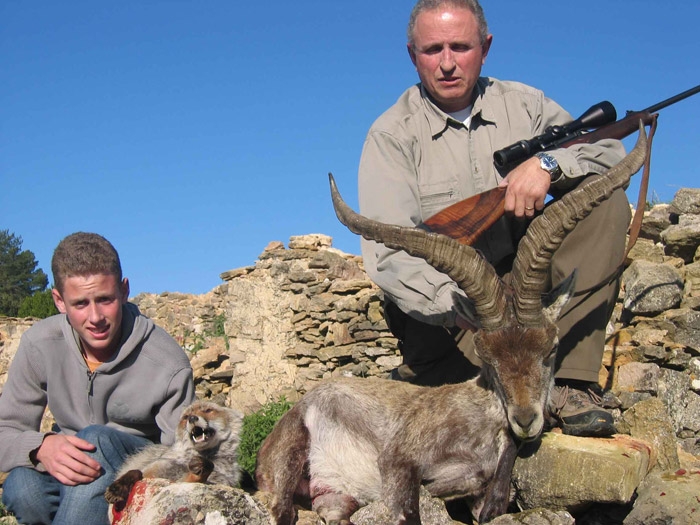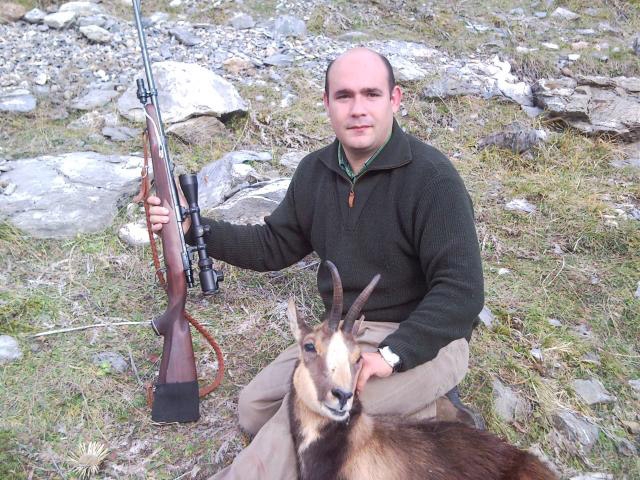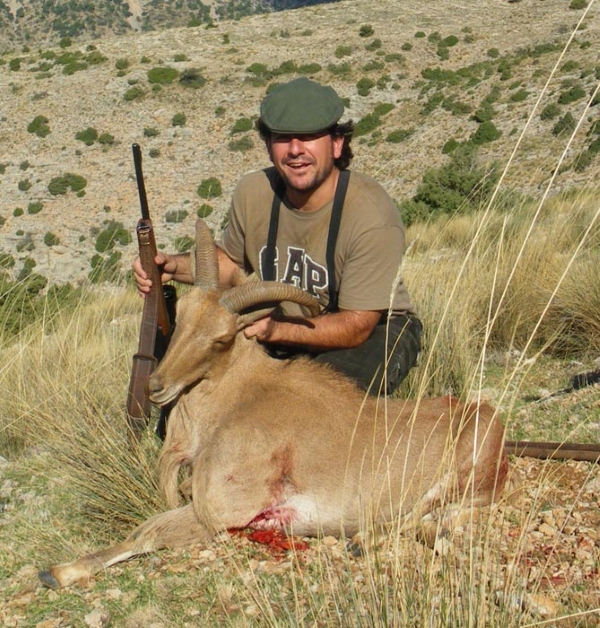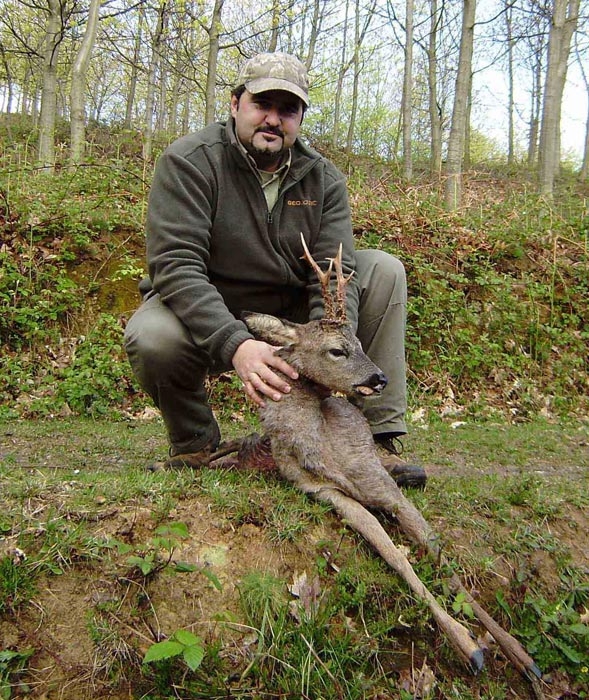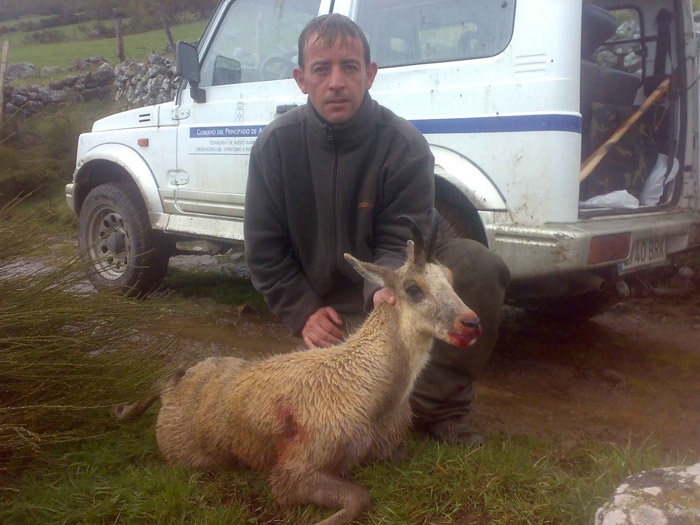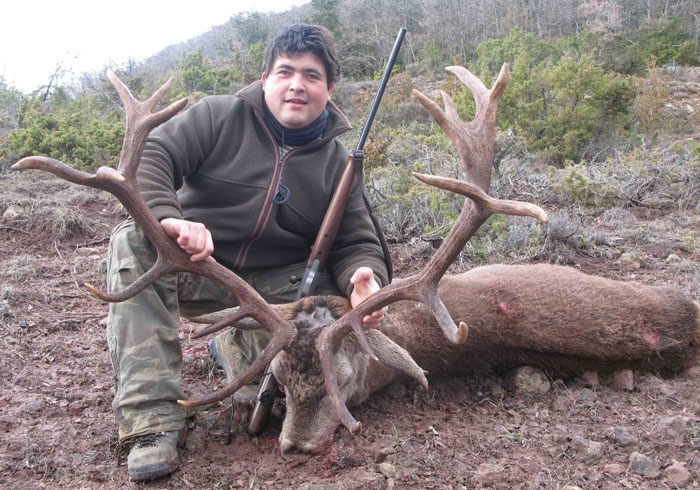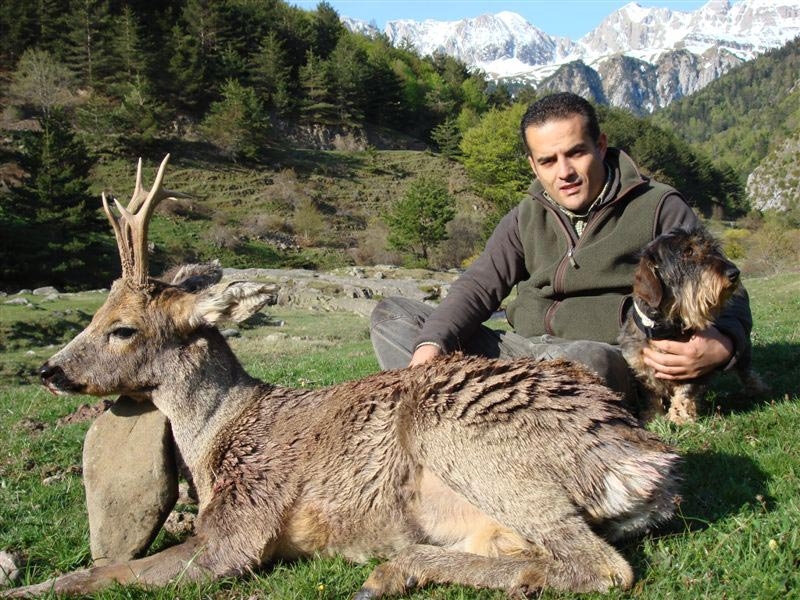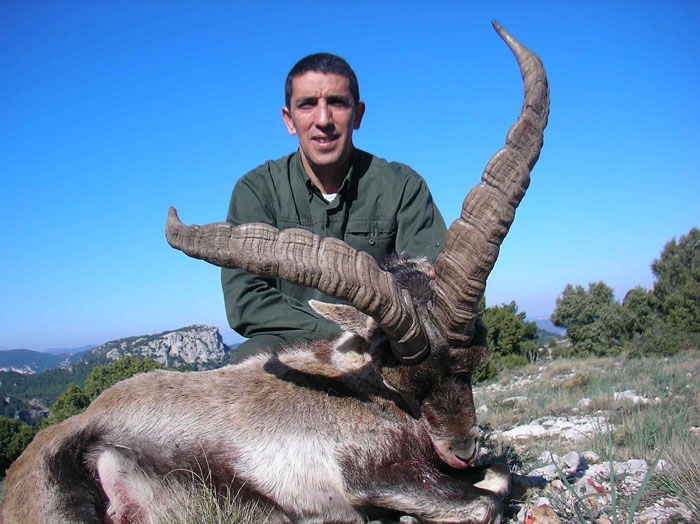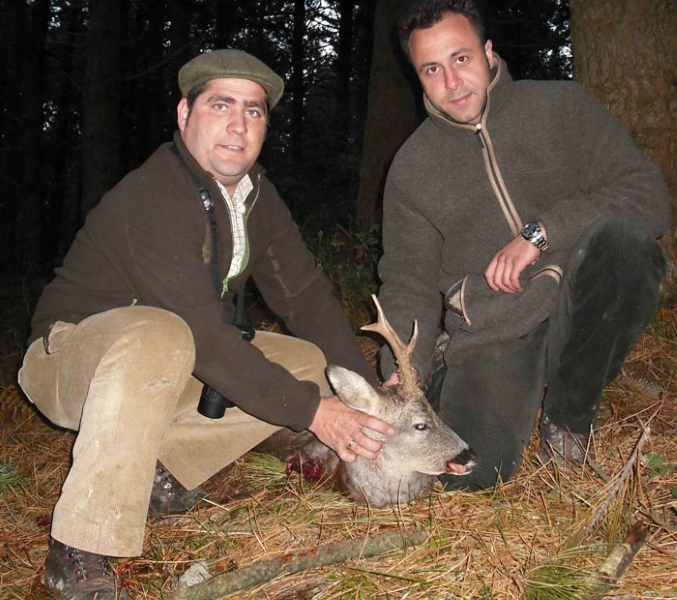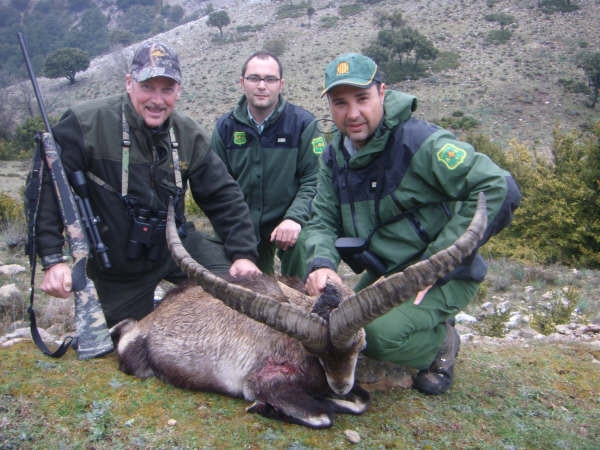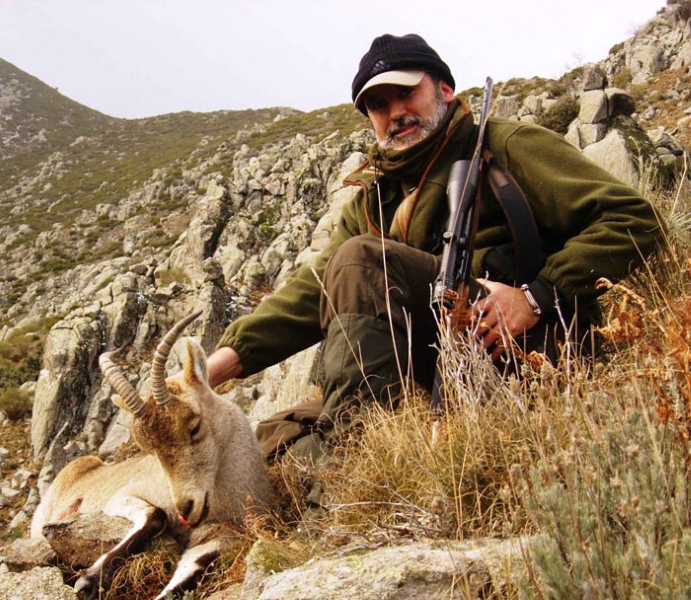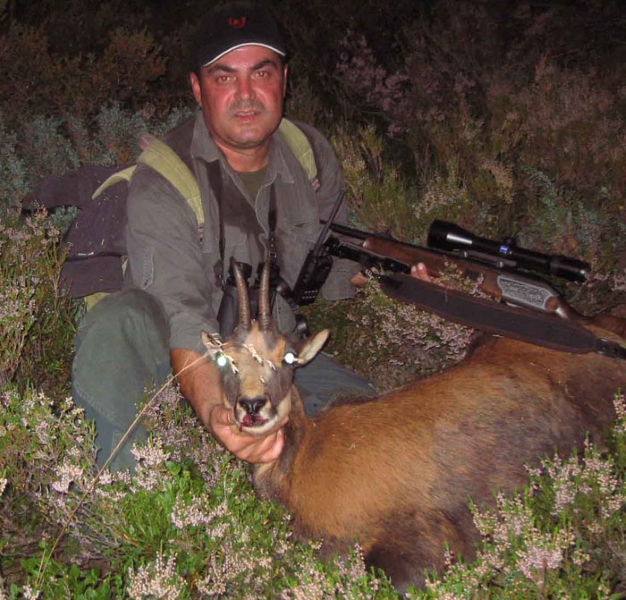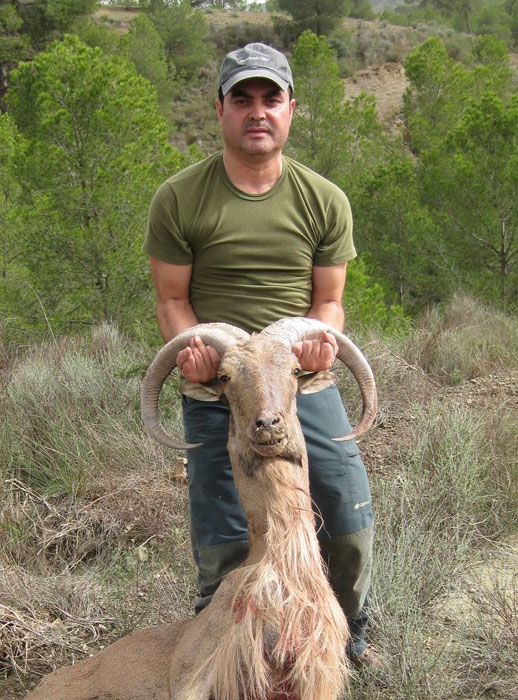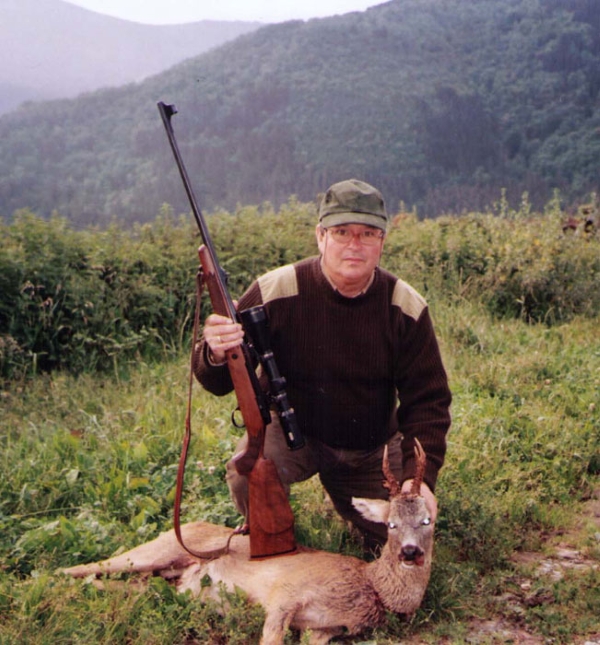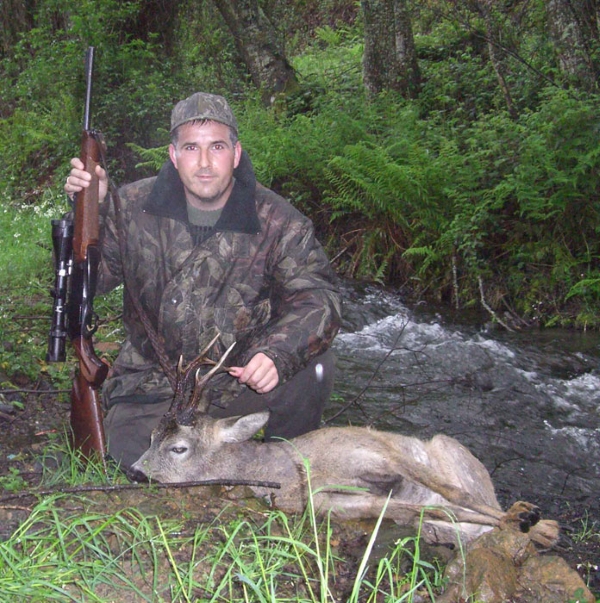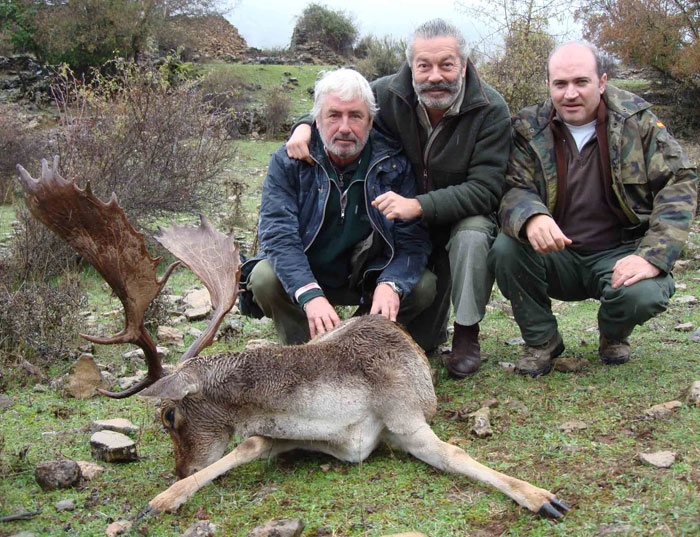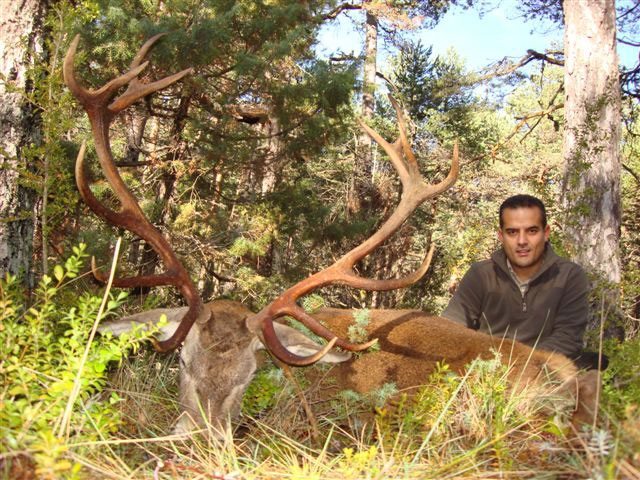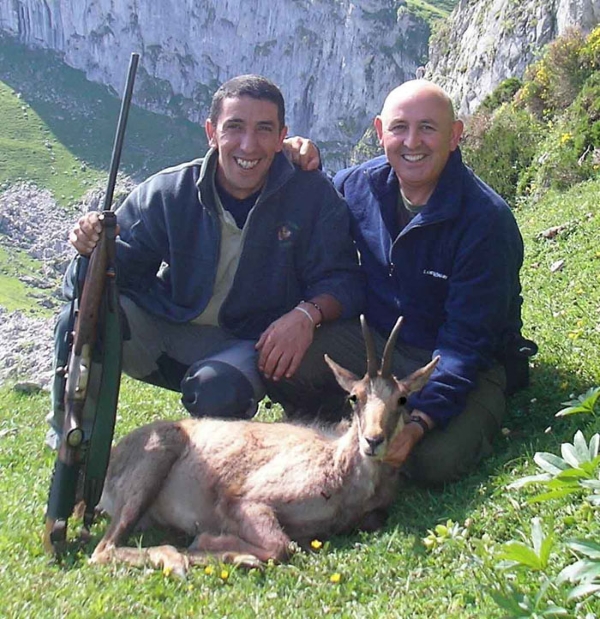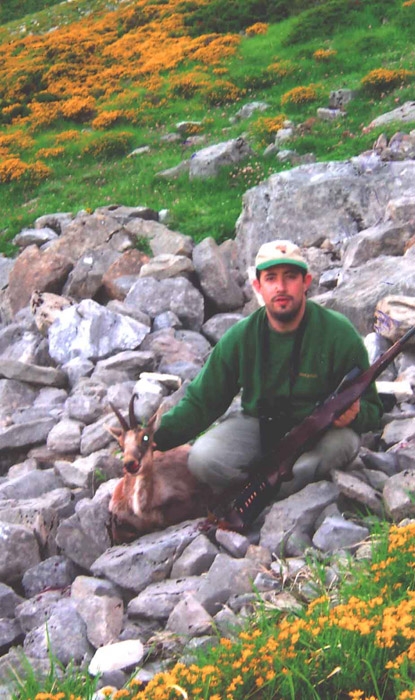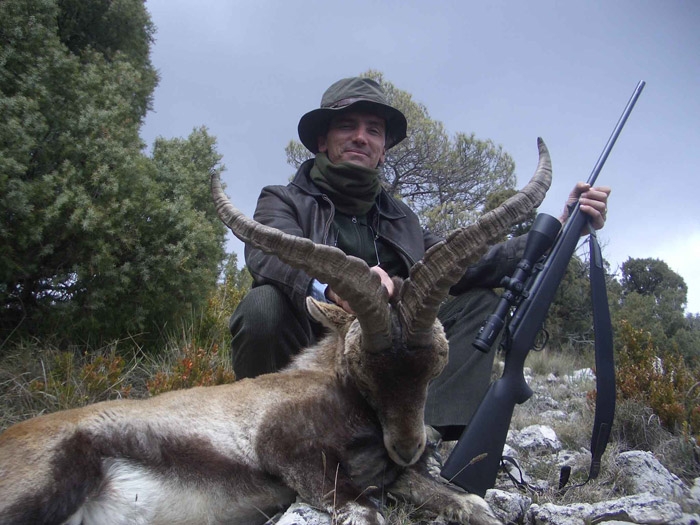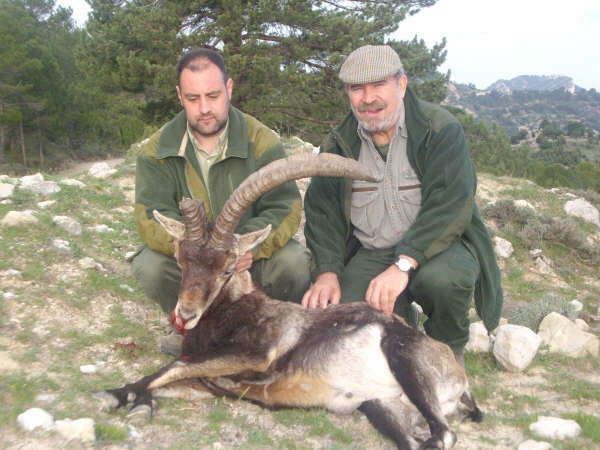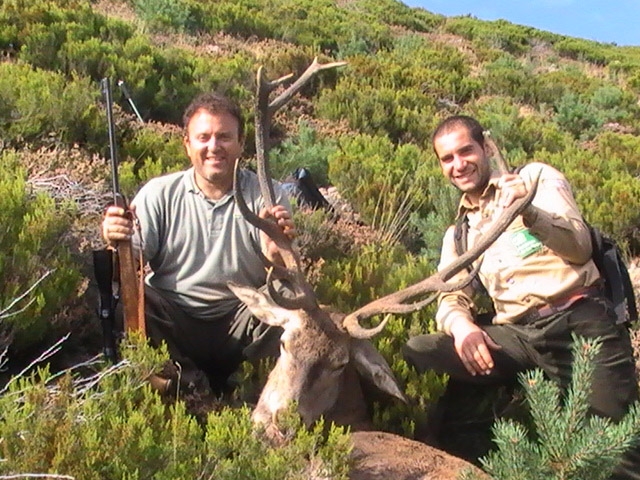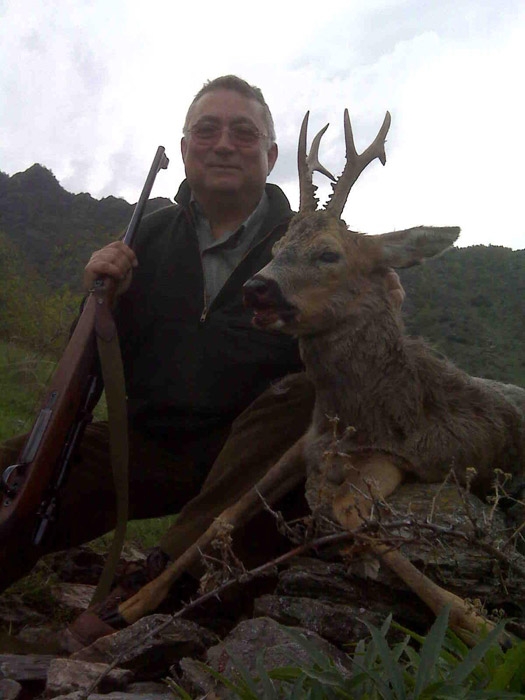
National Hunting Reserves have been one of the fundamental pillars of Spanish hunting management for decades. They were created in the sixties with the aim of conserving iconic species, protecting valuable habitats, and structuring a public system for hunting use based on scientific criteria. With the decentralization of powers and the shift of management to the autonomous communities, some of these areas were renamed “Regional Hunting Reserves.”
This has raised doubts among many hunters: are there really differences between National Reserves and Regional Reserves? Do quotas, quality, or draws change? The answer is clear and simple: they are essentially the same thing, with identical purposes and operations. The difference is historical and administrative, not practical. Below is an explanation of their origin, how they are managed, and their role within the public hunting system in Spain.
Historical origin: why there are two names
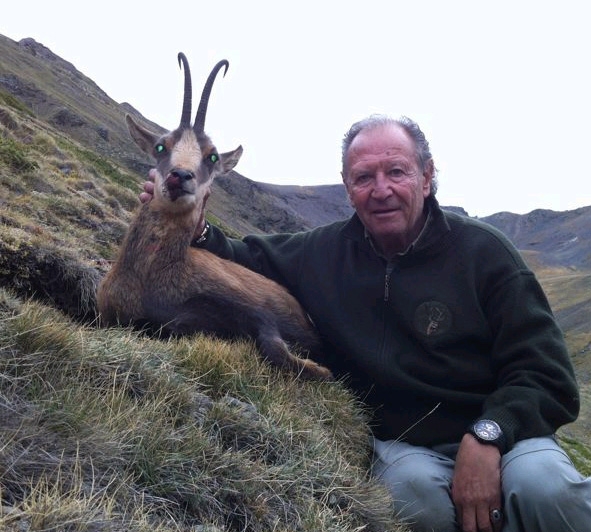
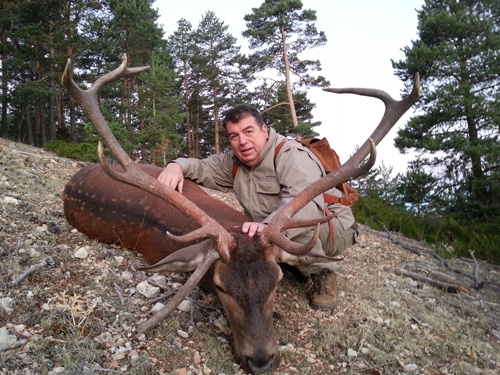
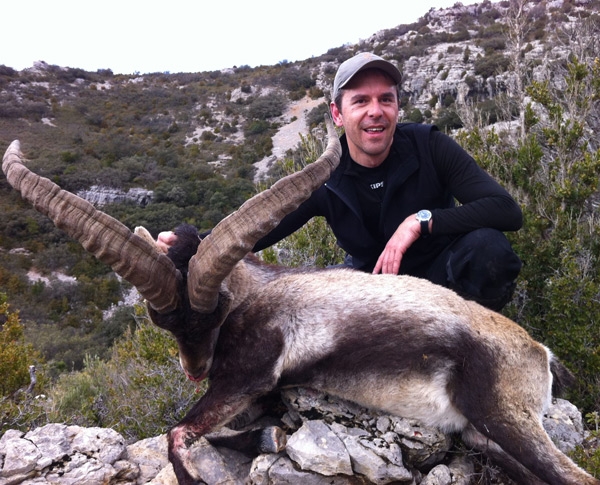
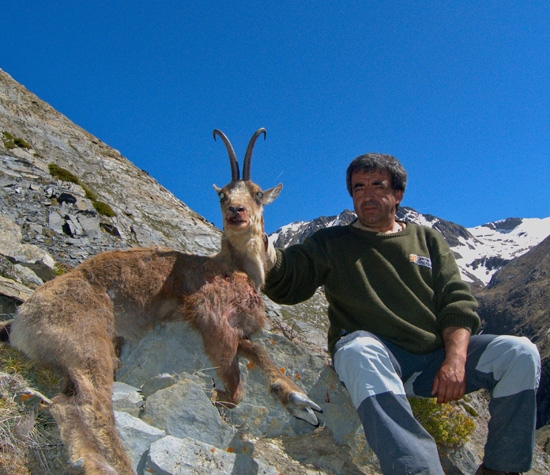
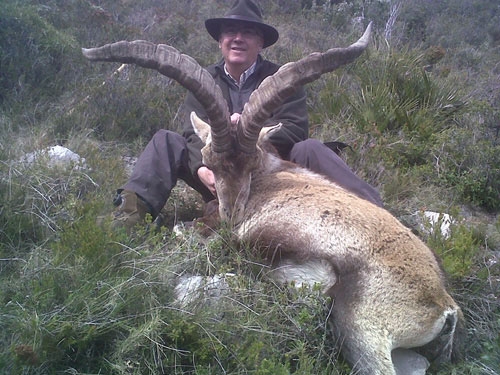
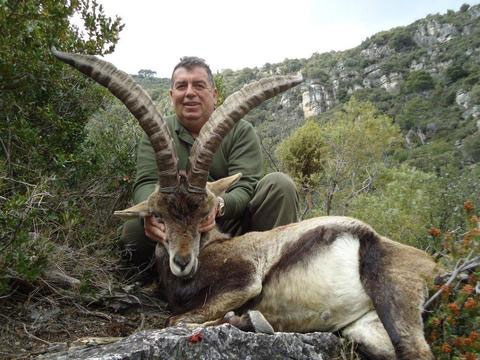
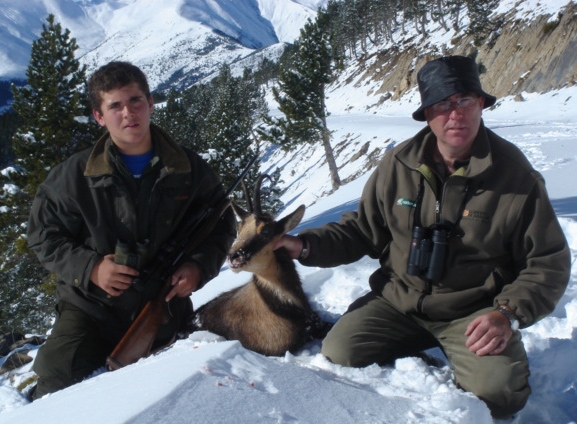
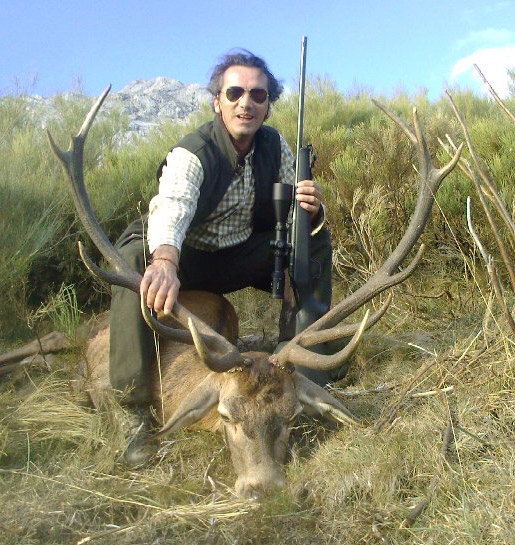
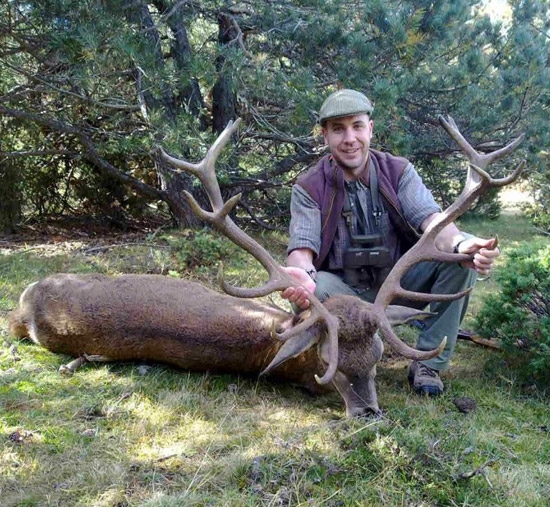
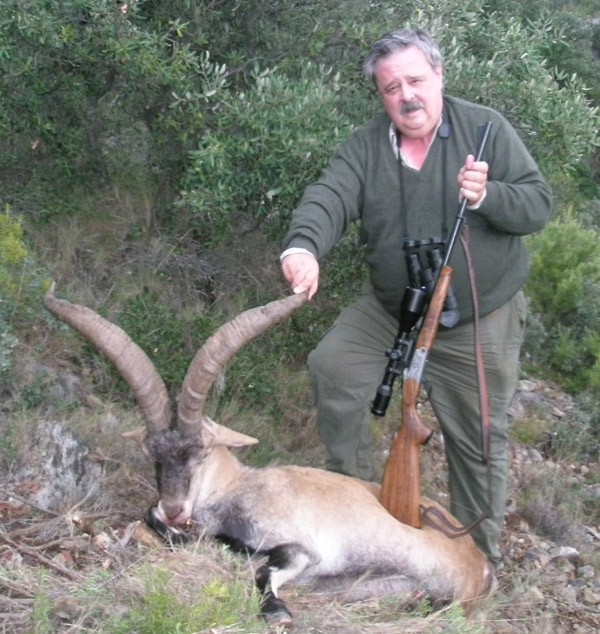
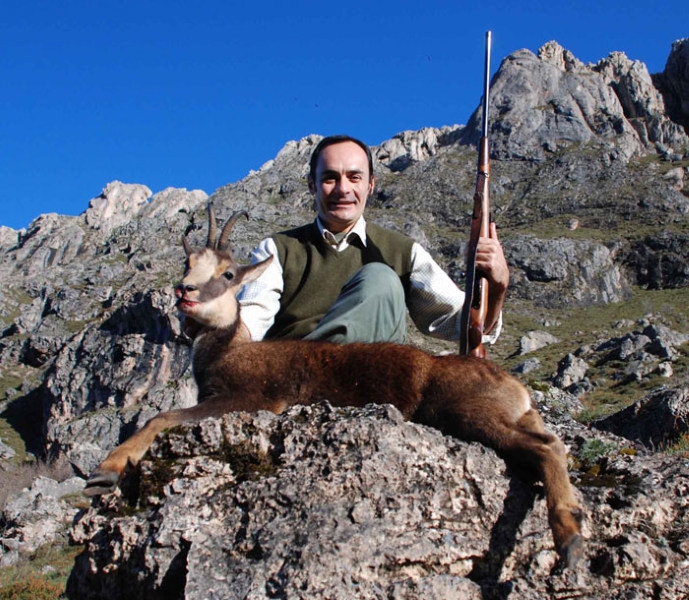
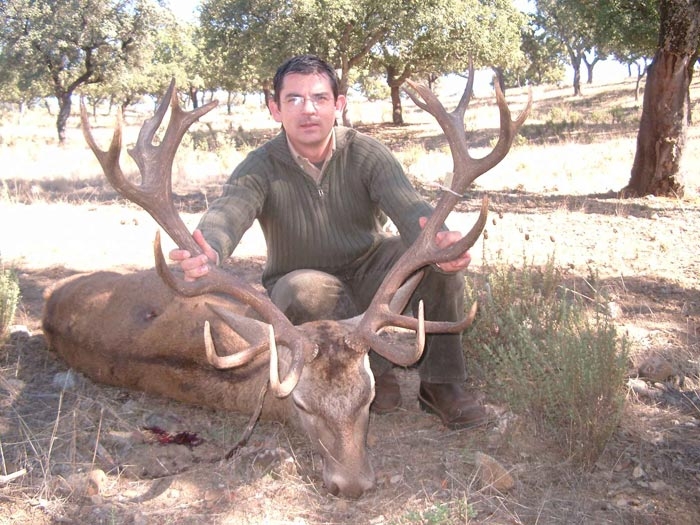
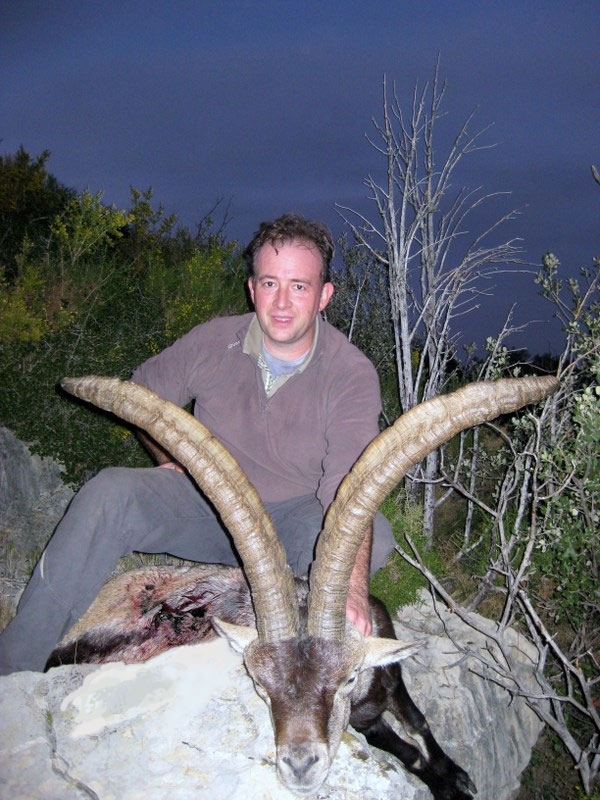
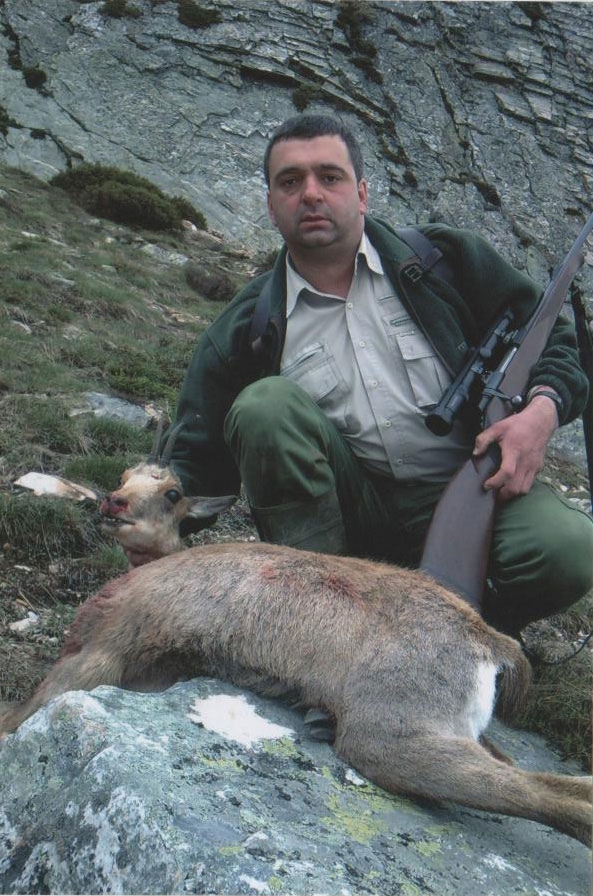
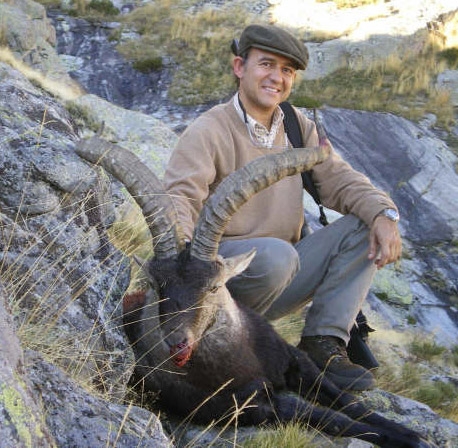
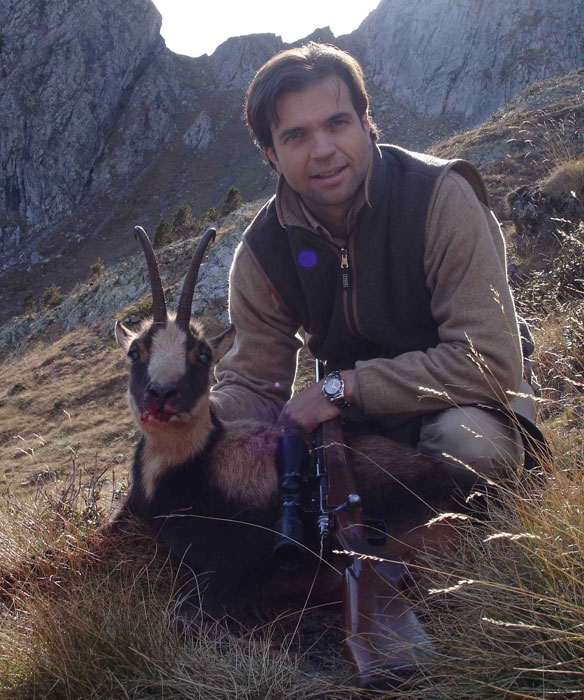
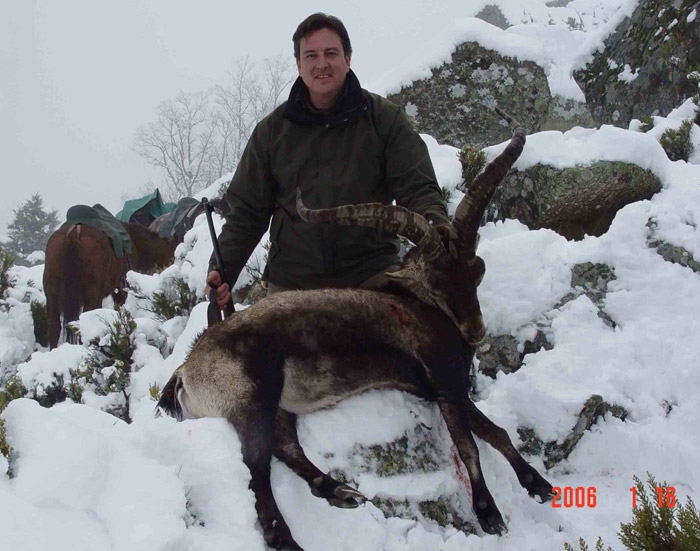
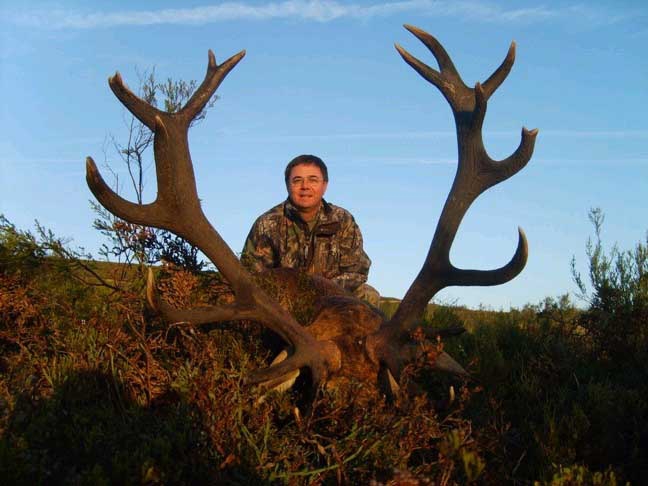
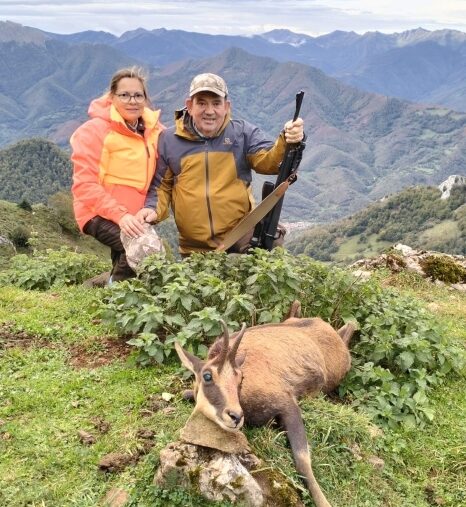
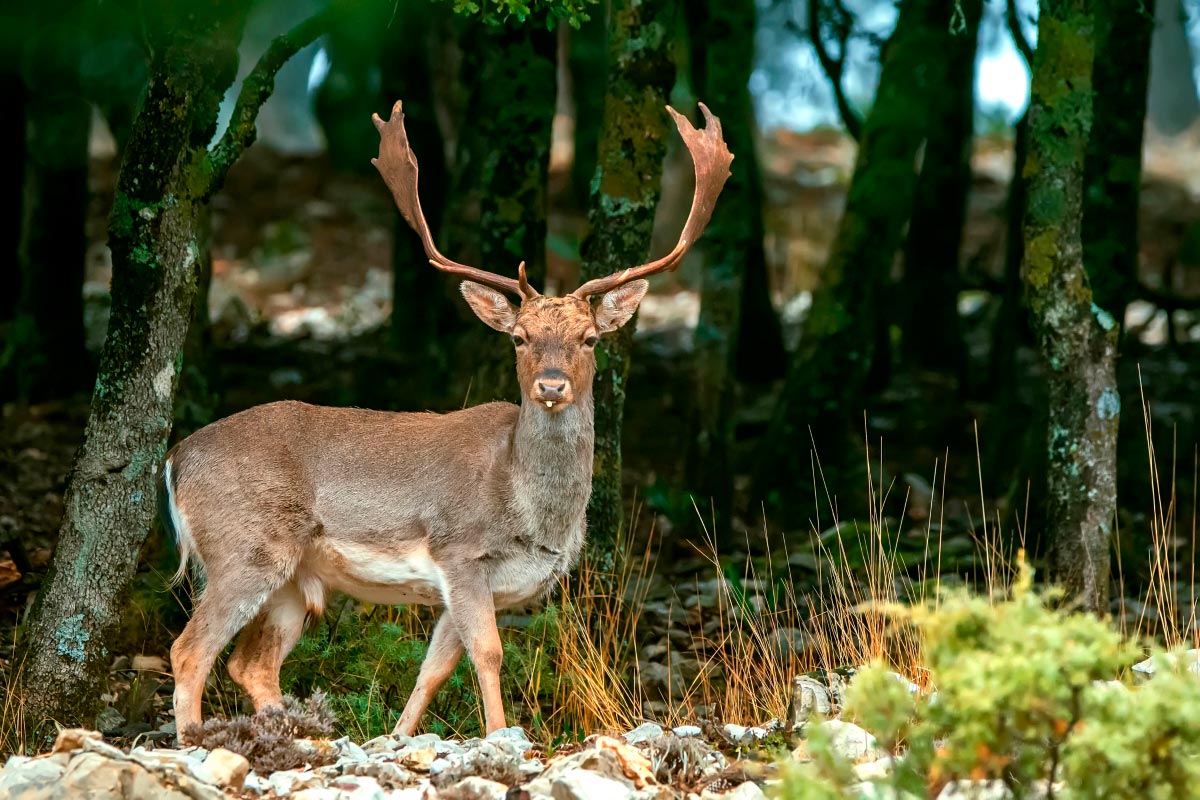
Between the sixties and the eighties, the State created numerous National Hunting Reserves, intended to recover populations of Spanish ibex, red deer, fallow deer, chamois, and other species that, in some cases, were in decline. These reserves were managed centrally and represented a conservation success.
With the transfer of powers to the autonomous communities, management became a regional responsibility. Some decided to keep the original name due to its prestige and tradition; others chose to rename them as:
• Regional Hunting Reserves
• Autonomous Reserves
• Specific names according to their administrative structure
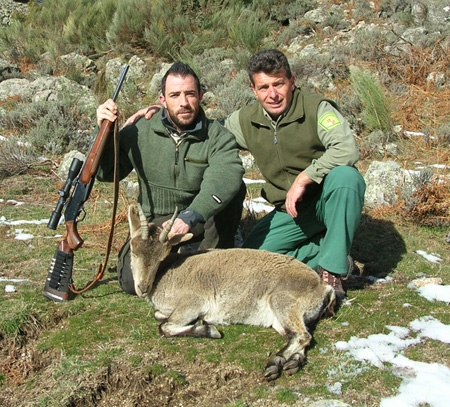
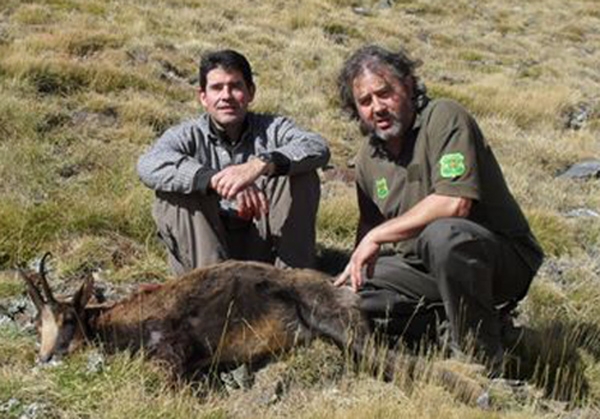
However, beyond the name, the model is identical: annual planning, controlled quotas, censuses, public draws, and accompaniment by professional gamekeepers.
Common functions and characteristics
Both National Reserves and Regional Reserves share the same principles:
• Conservation of wild populations through censuses, age control, and genetic selection.
• Protection of habitats with high ecological value.
• Regulation of harvesting through highly controlled stalks, driven hunts (monterías), and beats.
• Generation of resources for the management of the reserve and for the surrounding municipalities.
• Transparency in the allocation of permits through official draws.
These areas do not function like a private preserve or a commercial estate: they are public spaces where hunting activity responds to biological objectives, not direct economic ones.
Are there real differences between a National and a Regional Reserve?
From a hunter’s point of view, there are no practical differences. The permit system, the way draws work, the available species, the accompaniment by a keeper, and the genetic-population selection model are identical.
The distinction is limited to administrative ownership.
The important thing is that both figures belong to the same historical structure and operate with the same technical criteria.
That is why, even in communities where the official name is “regional,” most hunters still use the term “national reserve,” because it is the most recognized and the one that has accompanied the system since its creation.
How quotas and permits are determined
Each autonomous community approves quotas annually, based on technical criteria:
• Post-winter and summer censuses.
• Age structure by species.
• Health status and genetic quality.
• Carrying capacity of the land.
• Population control needs.
Hunting quotas are divided among different categories of hunters:
• Local hunters
• Autonomous or regional hunters
• National hunters
• In some cases, foreign EU hunters
The model ensures that residents and municipalities linked to the reserve maintain a priority role, without excluding other users.
Culling vs trophy: a key element
Permits are classified into:
• Culling: animals that must be culled for biological or population reasons (advanced age, defects, genomic competition).
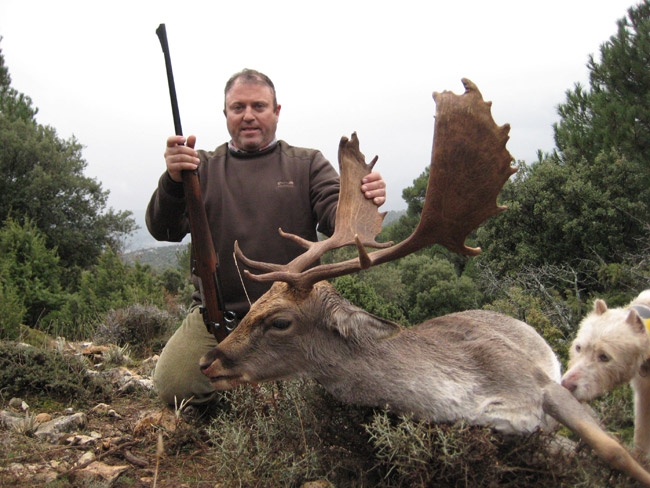
• Trophy: animals of high hunting value, medal-worthy, or of genetic relevance.
This system allows for the maintenance of healthy, balanced, and high-quality populations.
Why these reserves are in such high demand
National and Regional Reserves concentrate some of the best habitats and big game populations in Spain. Their characteristics generate strong demand:
• Continuous technical management for decades.
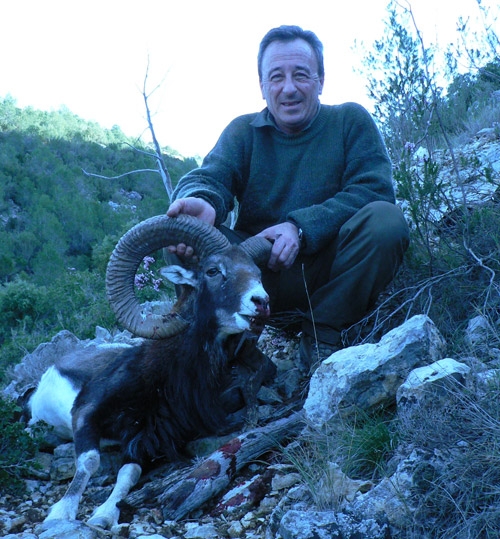
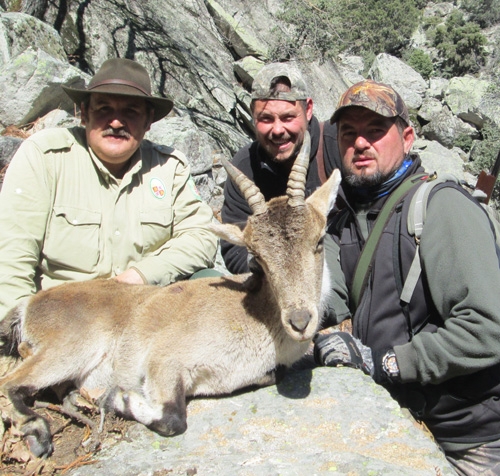
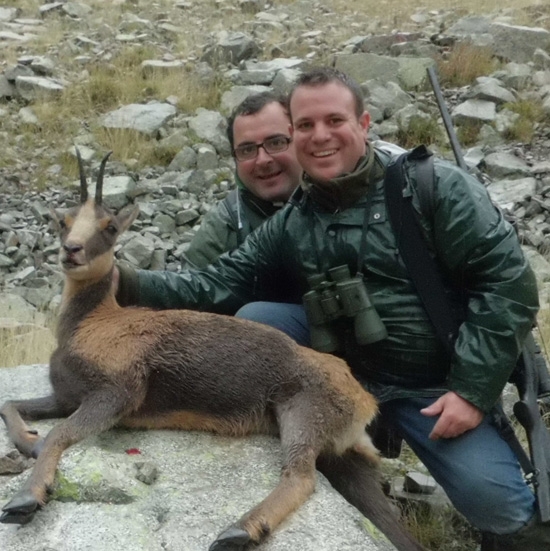
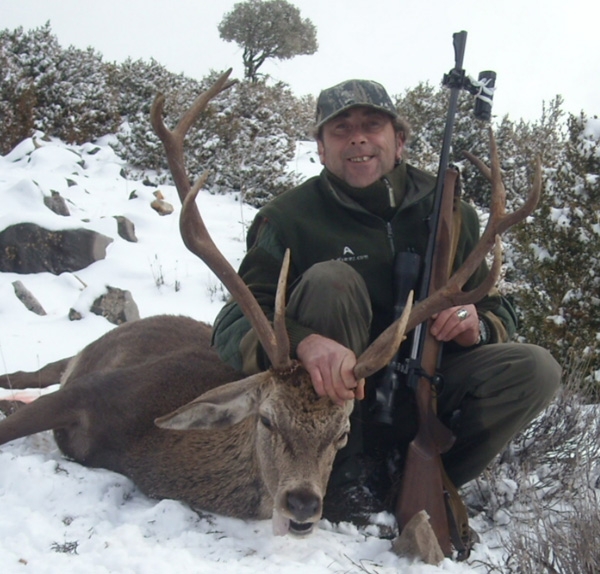
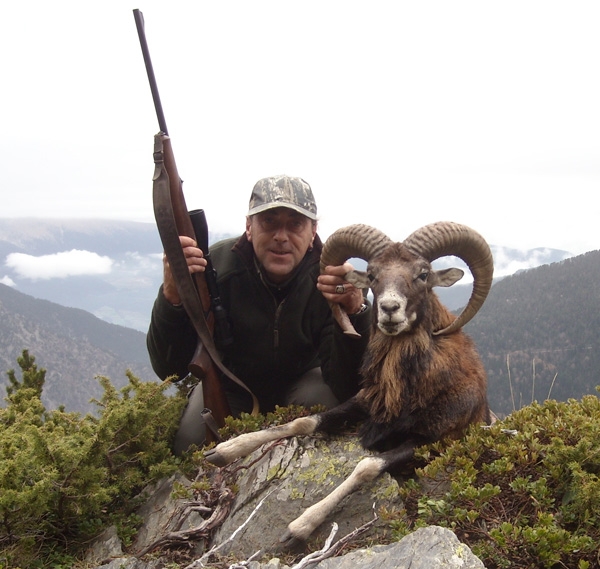
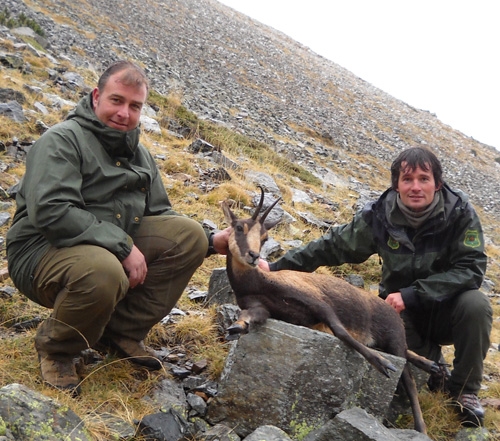
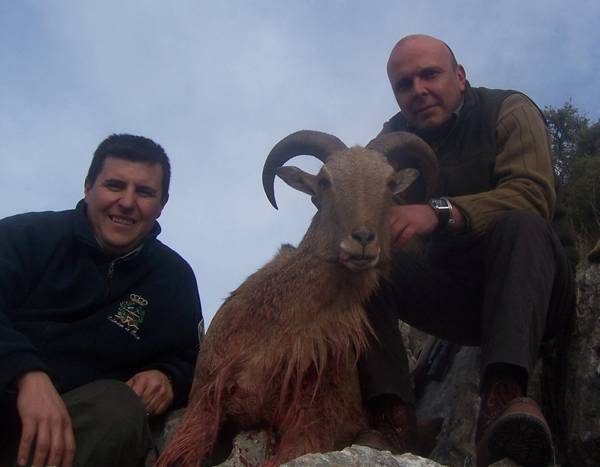
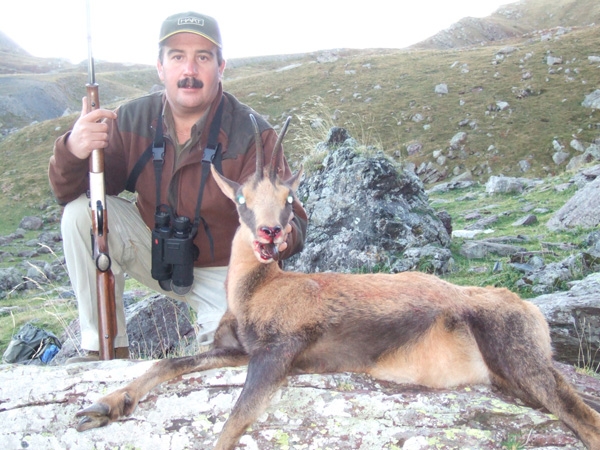
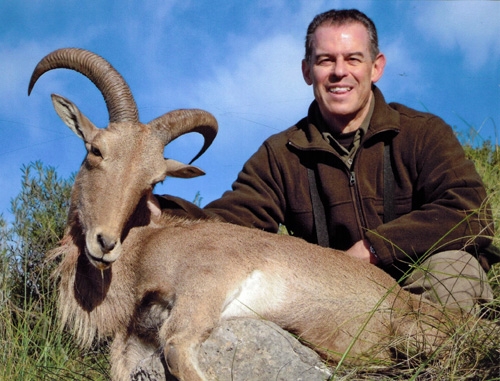
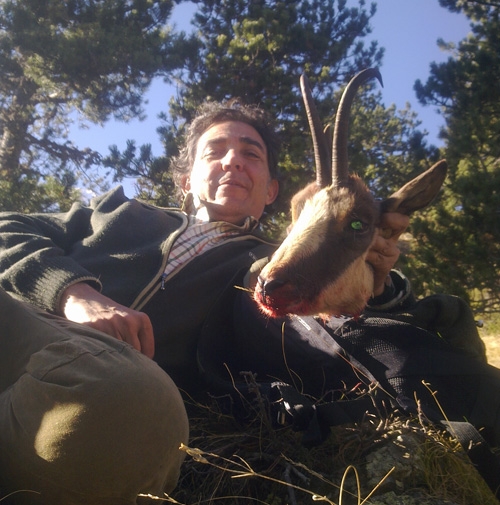
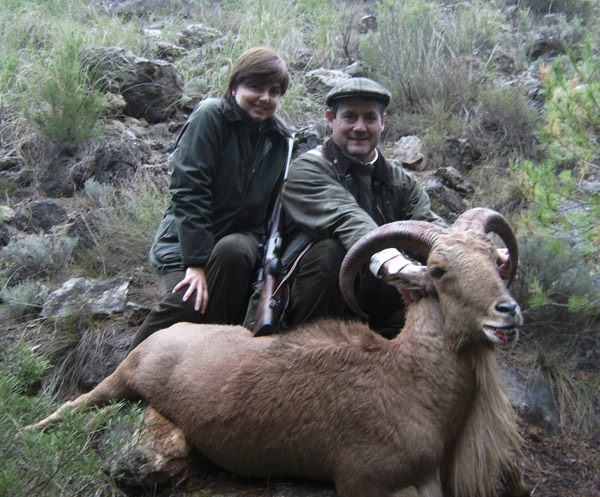
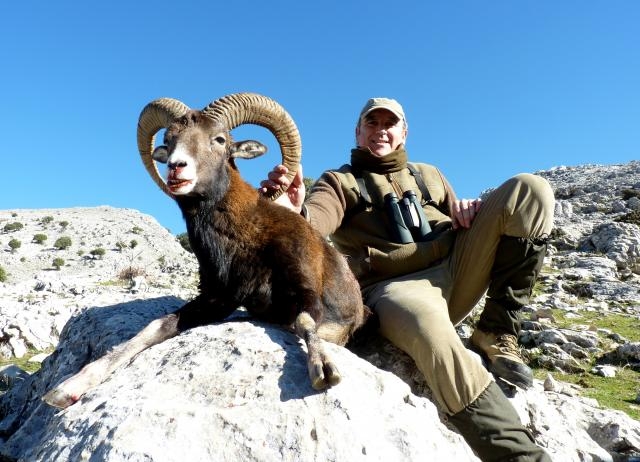
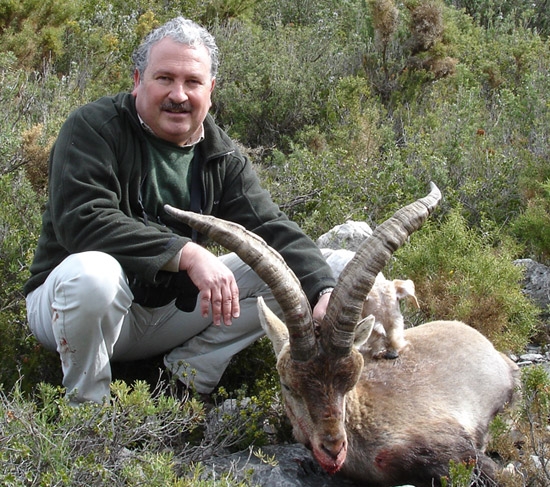
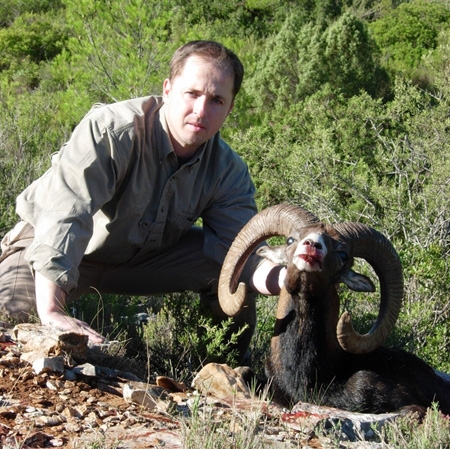
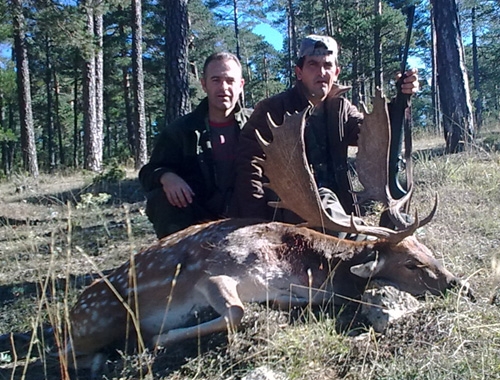
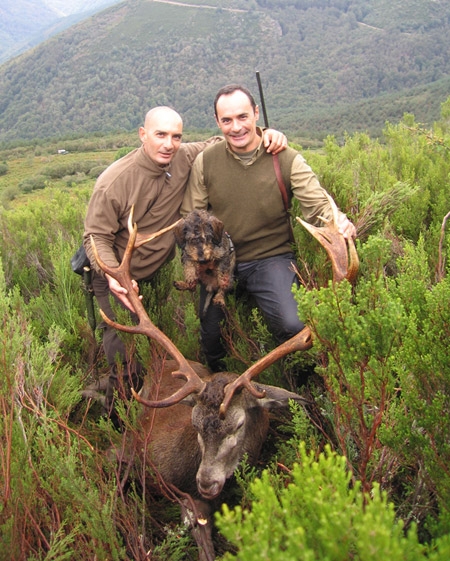
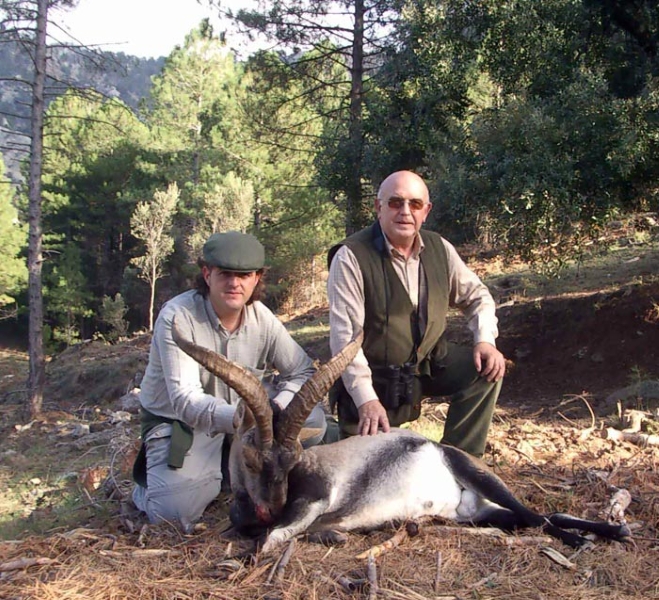
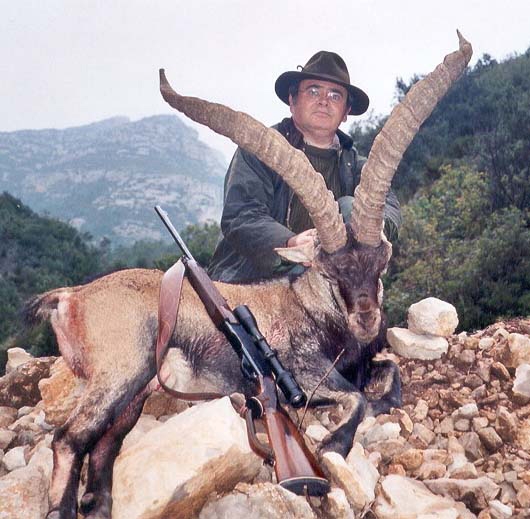
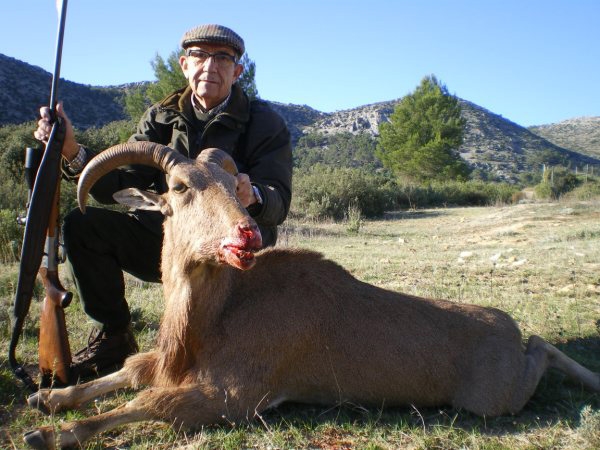
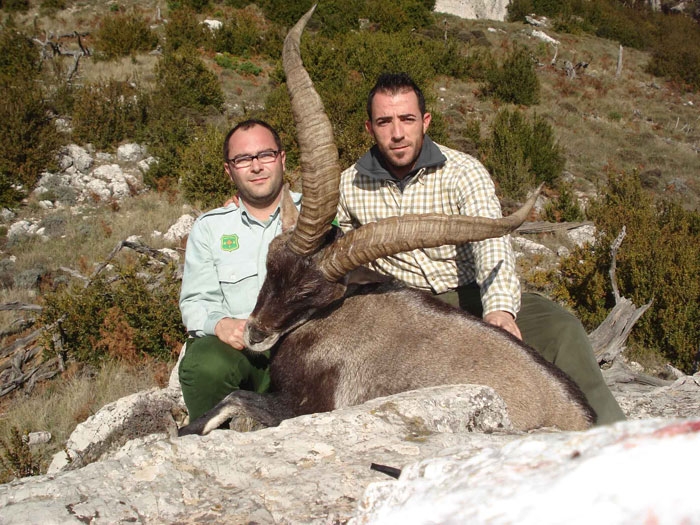
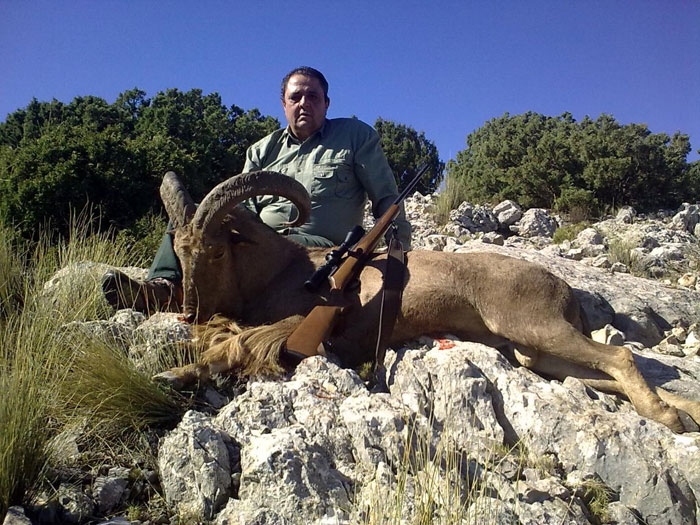
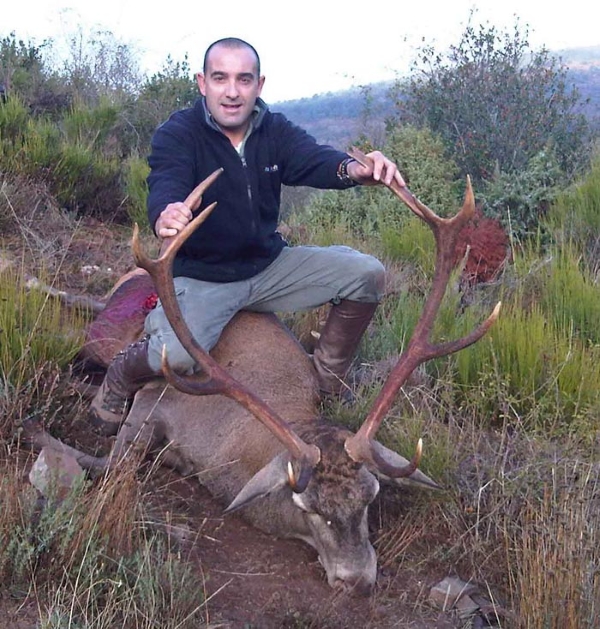
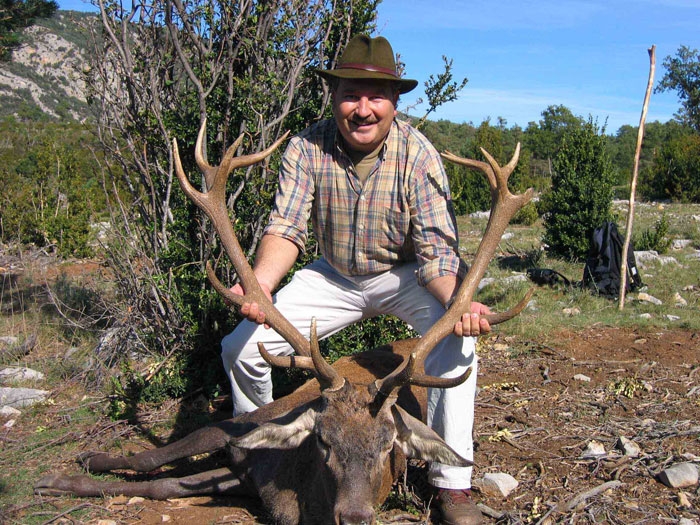
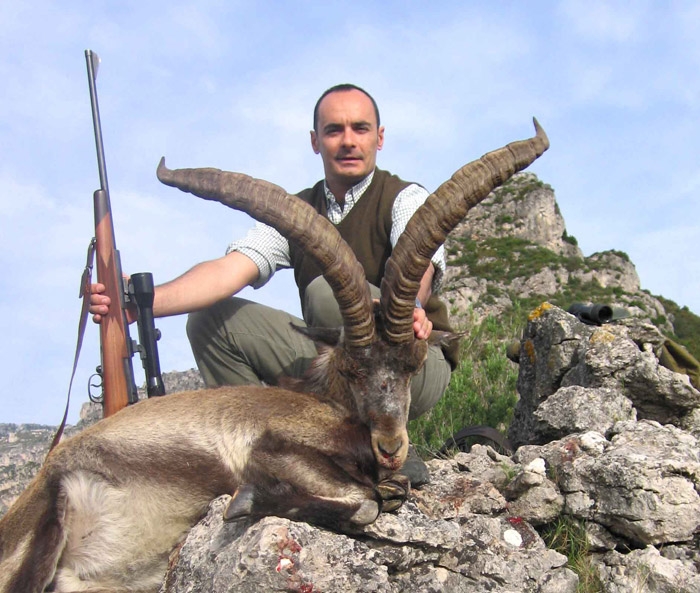
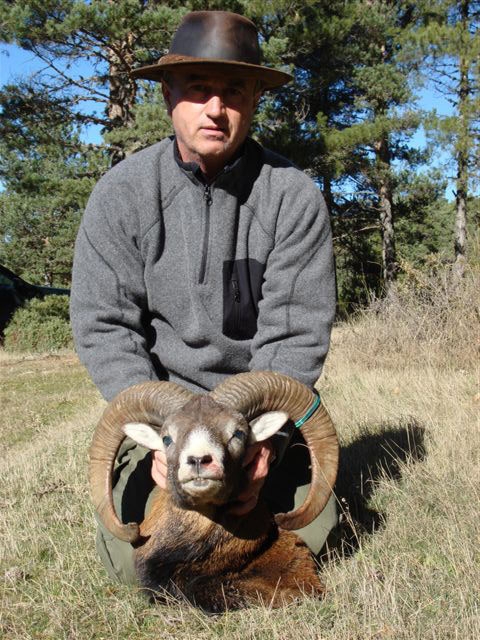
• Exceptional genetic quality in species such as Spanish ibex, chamois, mouflon, or red deer.
• Wildlife accustomed to extensive and sparsely populated terrain.
• Public fees that are more accessible than in the private sector.
• Absolute transparency in the allocation of permits.
• Professional accompaniment by expert keepers in each area.
That is why, even with thousands of applications each season, the public reserve system is still considered the most reliable and fair way to access the best stalks and other big game hunting modalities.
Real examples of National and Regional Reserves where stalks are managed
Public reserves are not abstract concepts. There are specific, extremely diverse territories where stalks and other modalities are managed with recognized quality throughout Spain. The geographical breadth means that hunters can enjoy very different ecosystems, which increases the variety of species and opportunities.
Some representative examples where permits are managed each season are:
Andalusia
Notable areas such as Puerto de la Mora and Sierra de Baza, along with well-known National Reserves like Cazorla-Segura-Las Villas, Cortes de la Frontera, Serranía de Ronda, or Tejeda-Almijara, all of them with highly valued quotas.
Aragon
High mountain terrain in the Pyrenees such as Viñamala, Los Circos, Benasque, and Los Valles. In Teruel, the Aragonese sector of Ports de Tortosa-Beceite, a national benchmark for Spanish ibex stalking.
Extremadura
Regional preserves like El Quinto, Gargantilla, Matallana-Cañameros, or Valdecaballeros, in addition to the iconic Cíjara National Reserve, one of the historical hubs of public big game hunting in Spain.
Catalonia
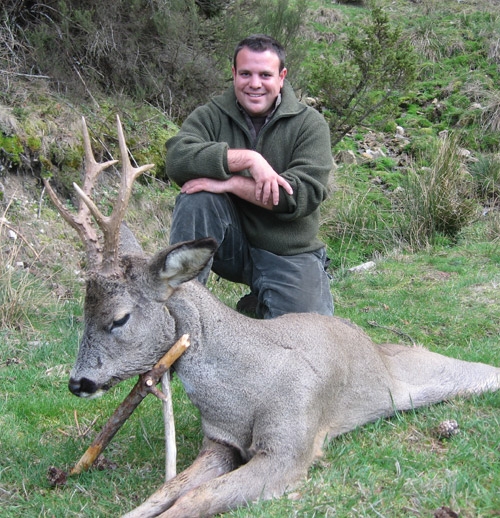
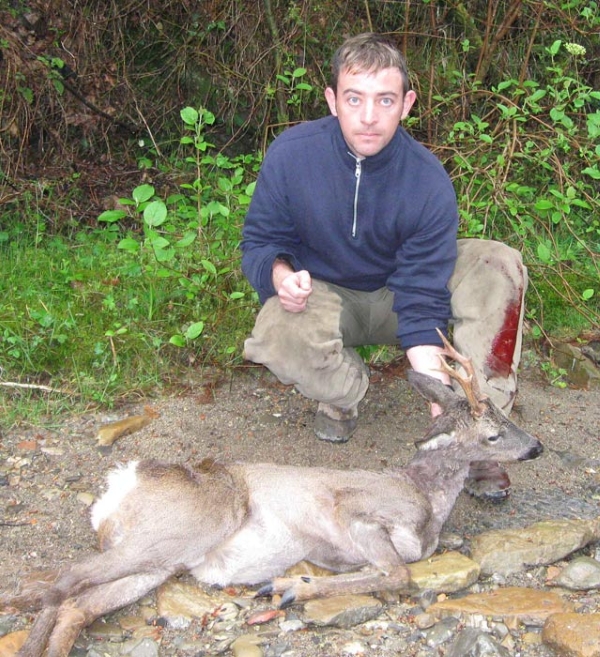
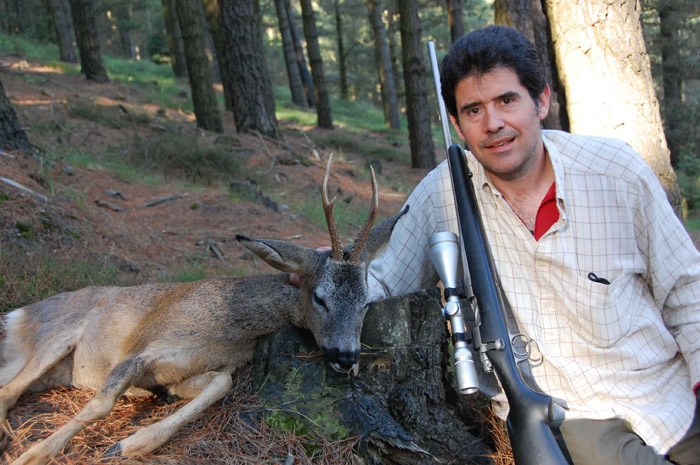
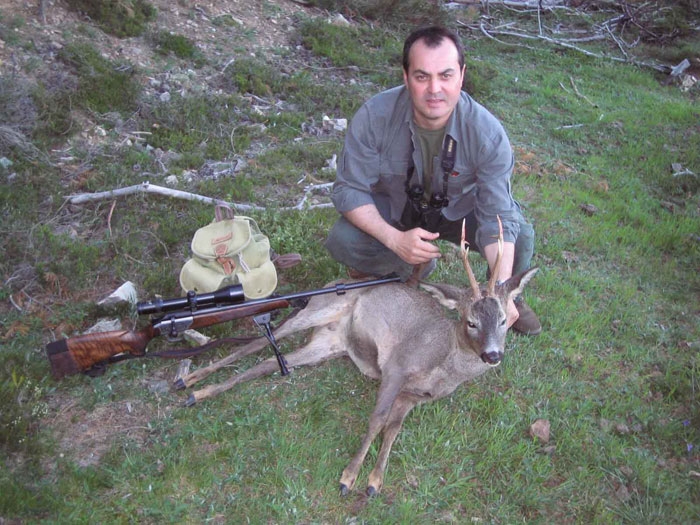
Alt Pallars-Aran and Boumort. In the Pyrenees: Cerdanya-Alt Urgell, Cadí, and Freser-Setcases. In Tarragona, Ports de Tortosa-Beceite (Catalan sector), areas of enormous diversity and high value for red deer, roe deer, and chamois stalking.
La Rioja
The Demanda-Cameros National Reserve, a classic setting for culling and trophy stalks.
Conclusion
National and Regional hunting reserves are not different entities: they share the same origin, objectives, and operations. Their naming is the result of administrative evolution, but their hunting value remains intact. For the hunter, they represent the most transparent and sustainable way to access quality stalks in environments managed with rigorous technical criteria.
The great territorial diversity, the annual planning of quotas, and the quality of the species make these reserves continue to be a benchmark in Spain. Understanding how they work and their history allows for a better appreciation of a public system that has guaranteed, for more than half a century, the conservation and enjoyment of big game hunting in our country.