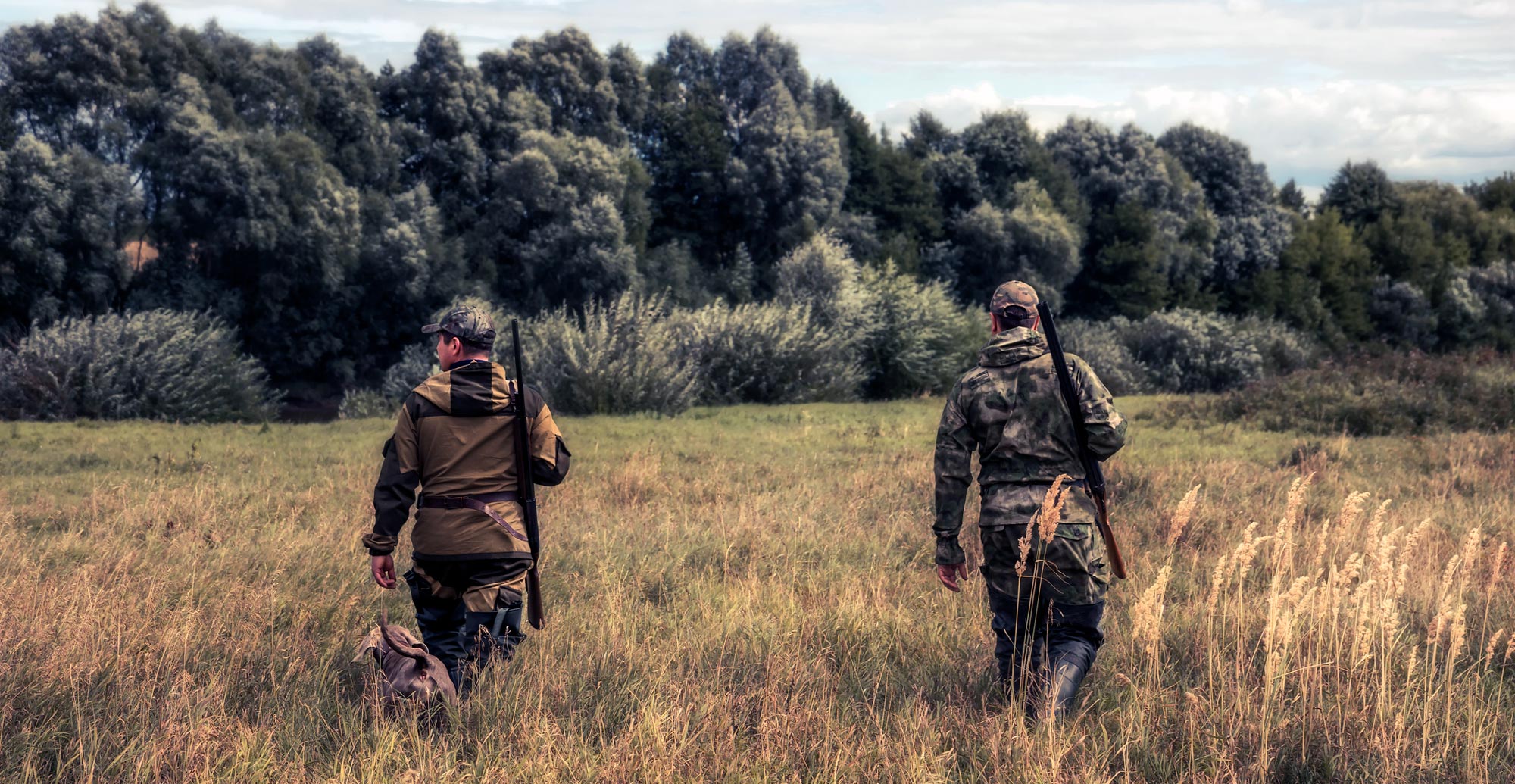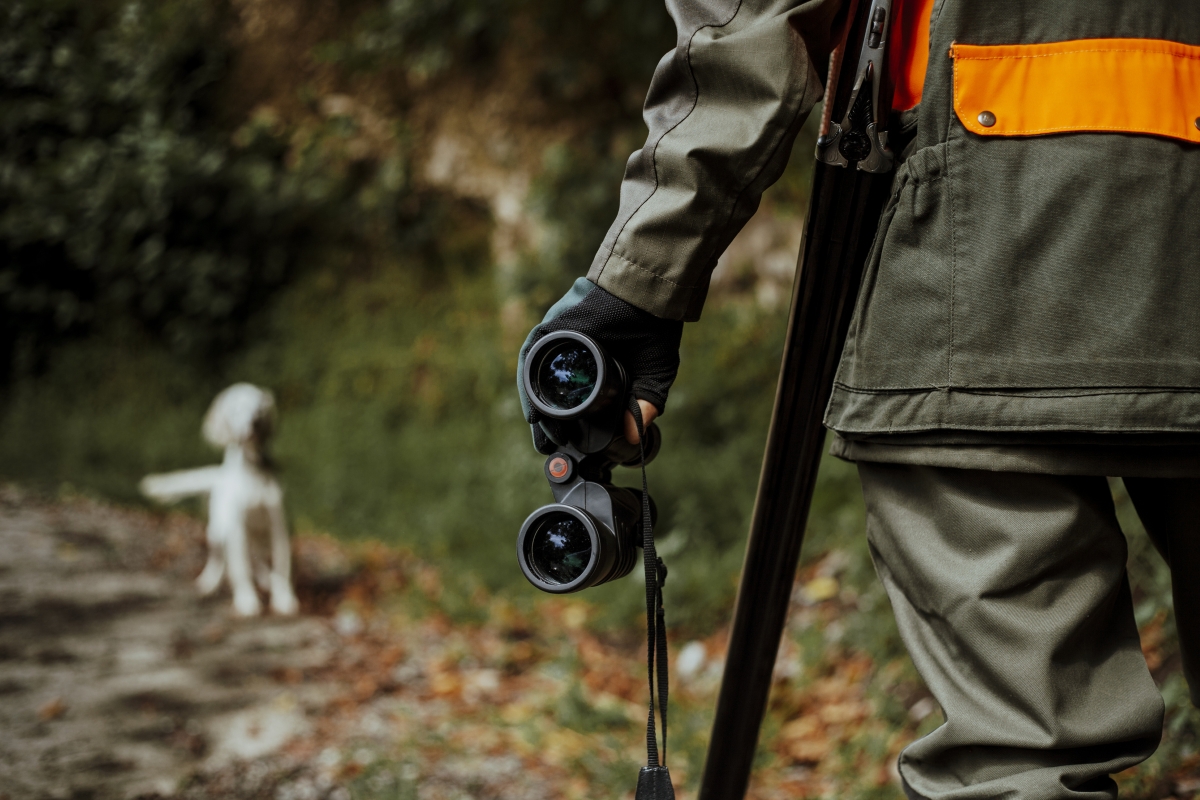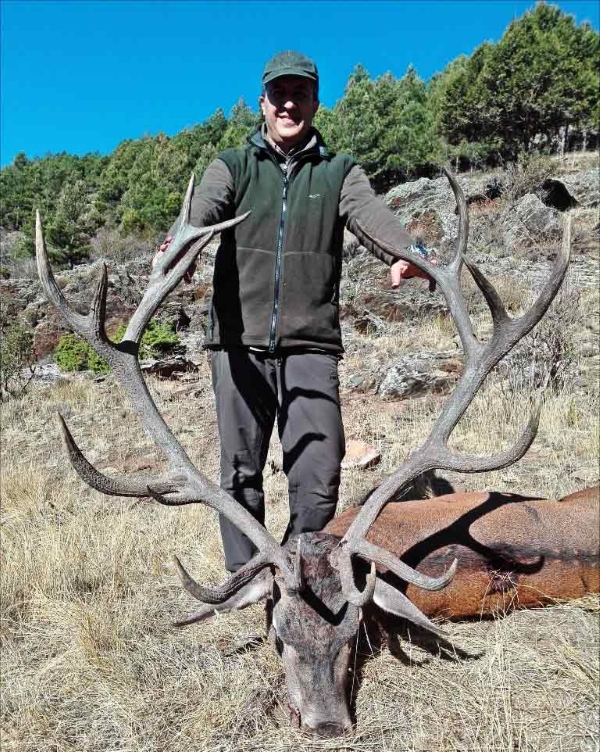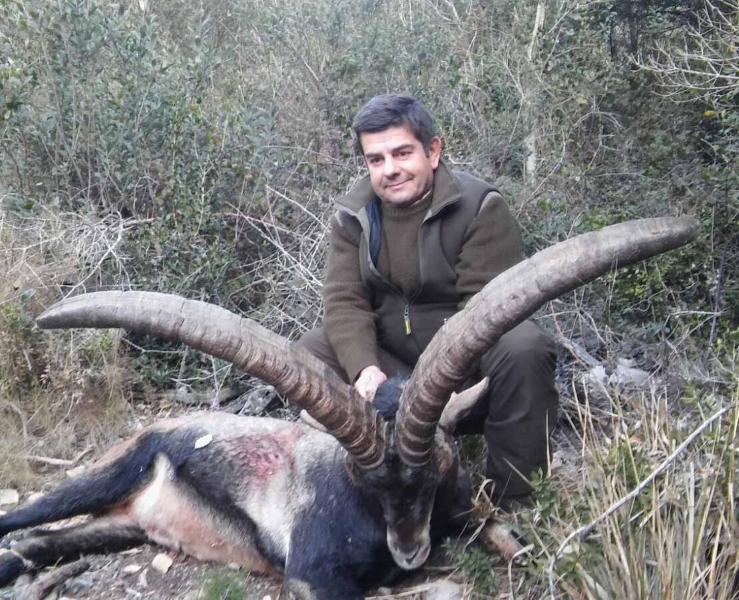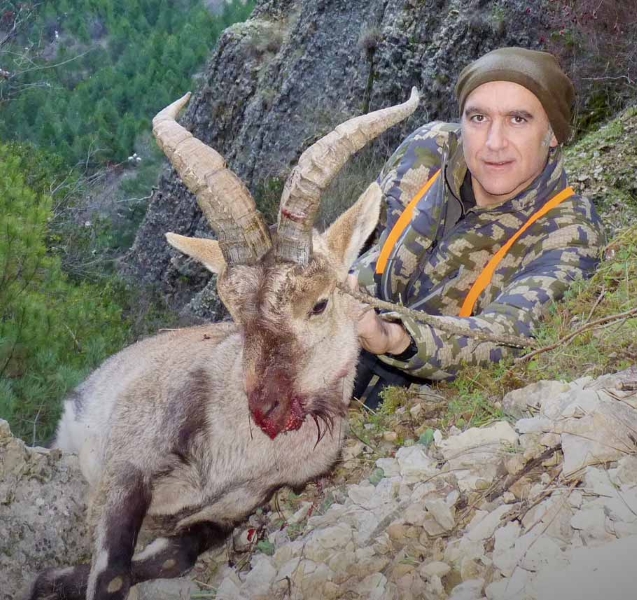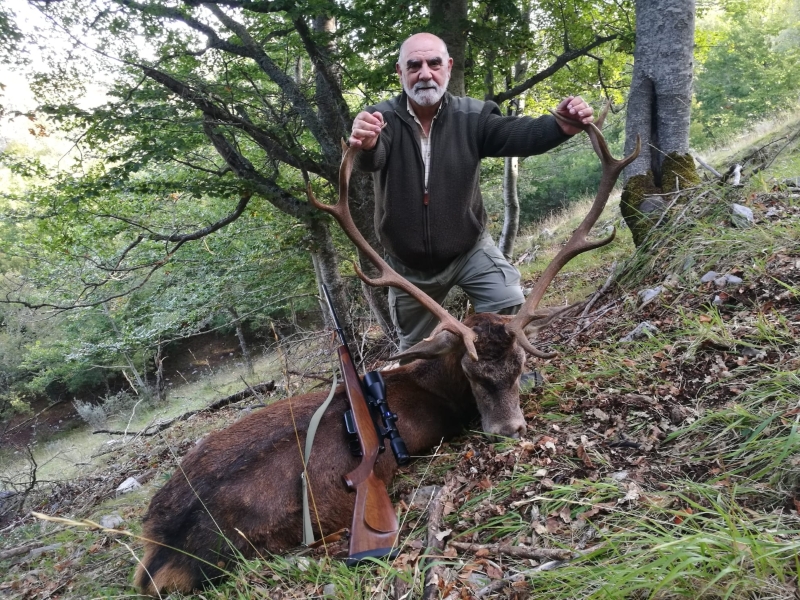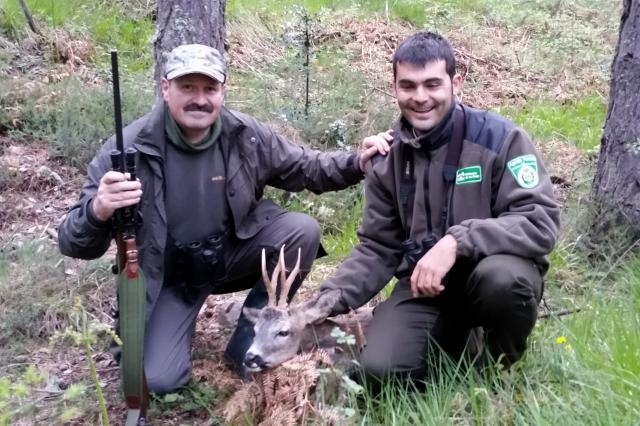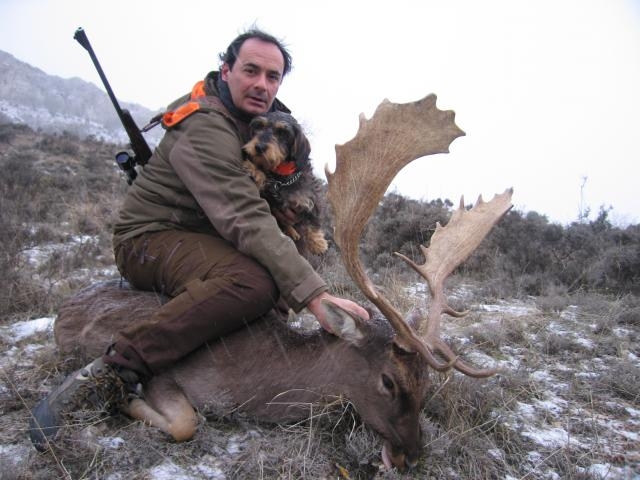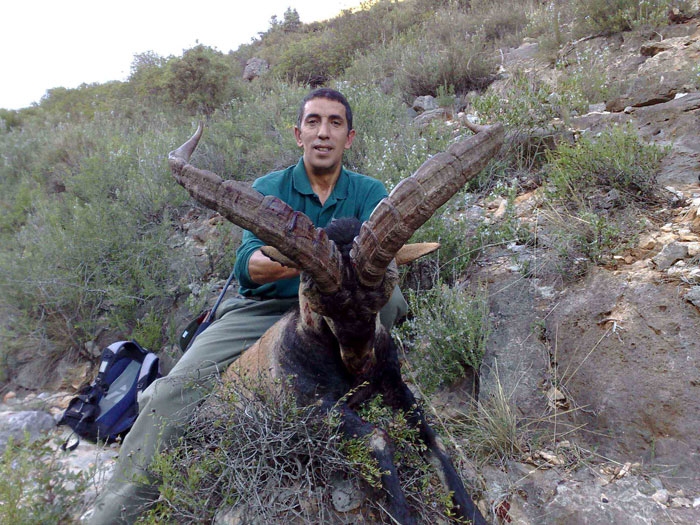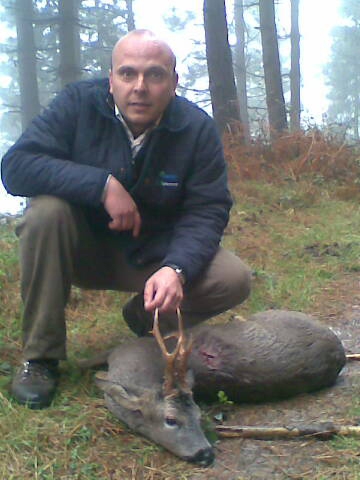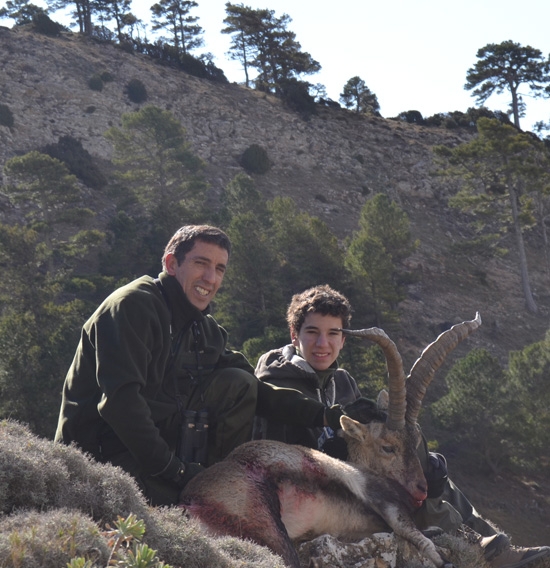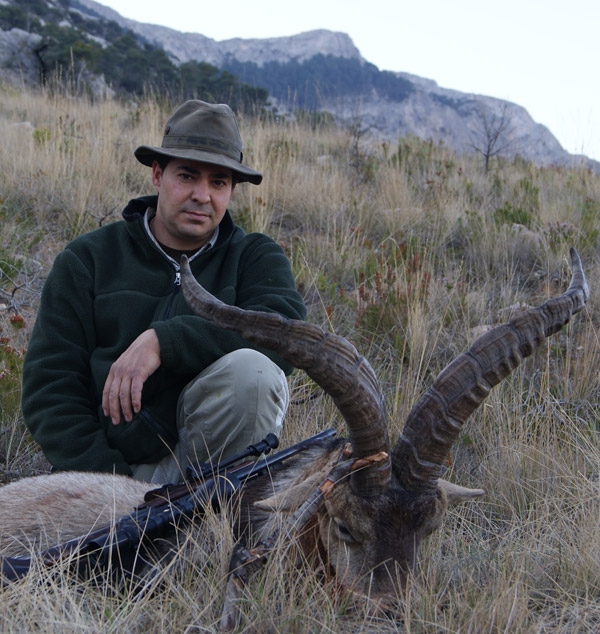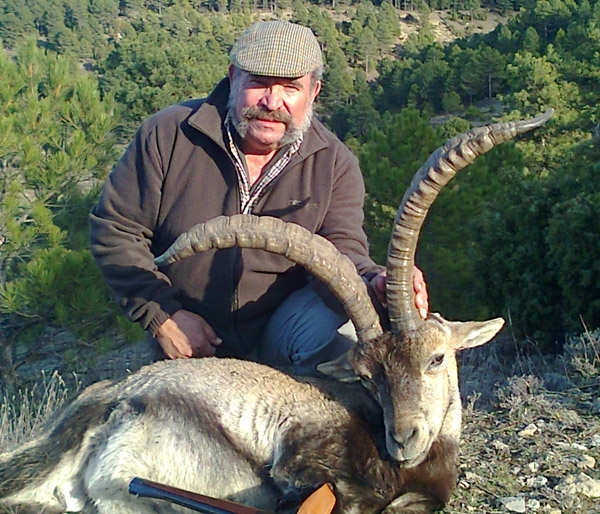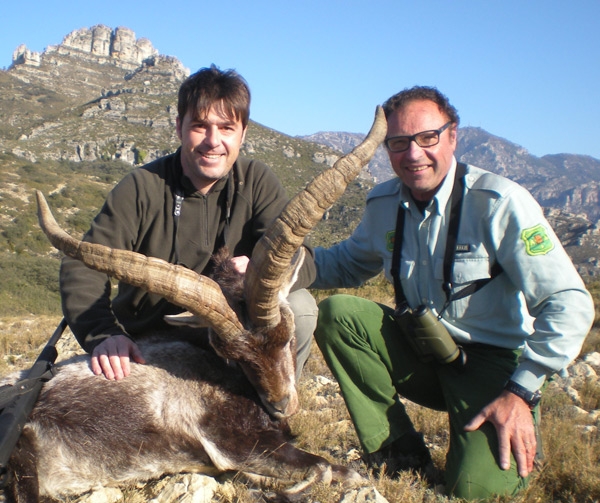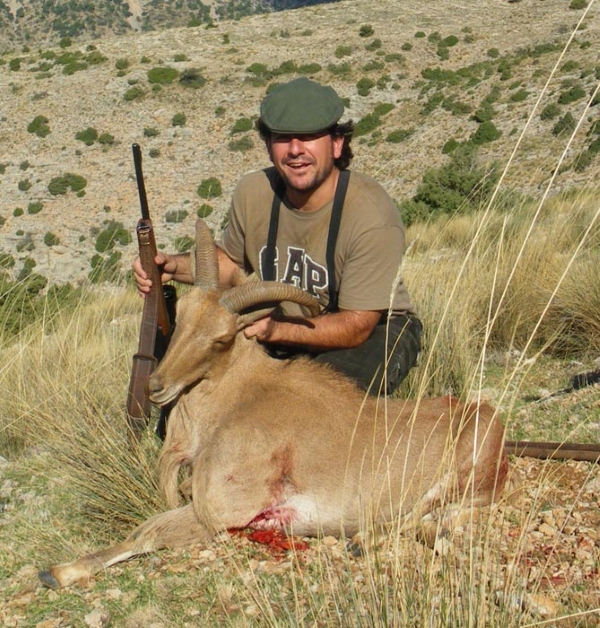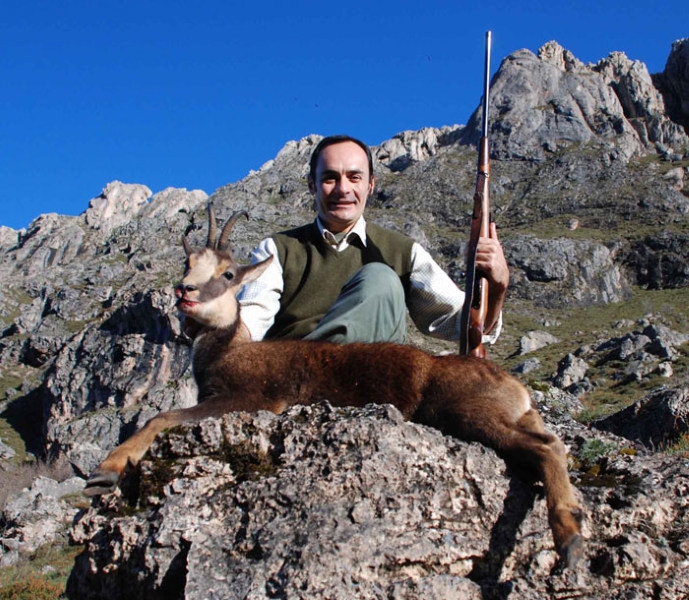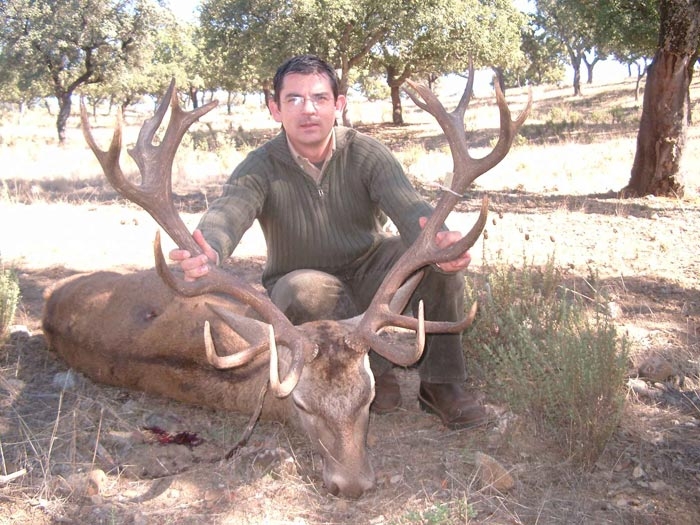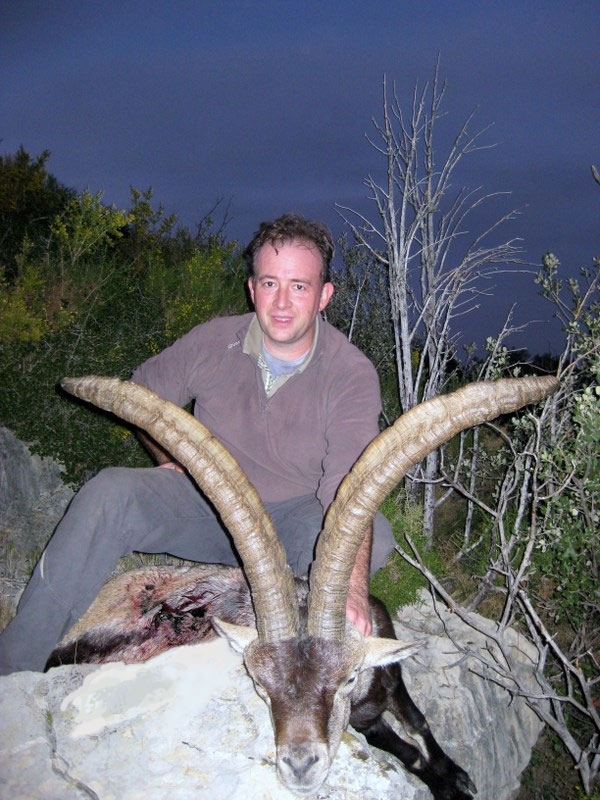
Stalking hunting is one of the most technical and demanding types of big game hunting. Its essence lies in observation, a slow approach, and precise assessment of the game. The hunter must interpret the wind, distance, animal behavior, and terrain. Therefore, the stalking hunts offered in national reserves stand out for their quality and the rigorous management carried out by the Environmental Departments.
Unlike other more dynamic types, stalking requires physical preparation, knowledge of the terrain, and a keen understanding of the environment. This article delves into its practice, the most relevant species, and how stalking works in national reserves.
What really characterizes a stalking hunt
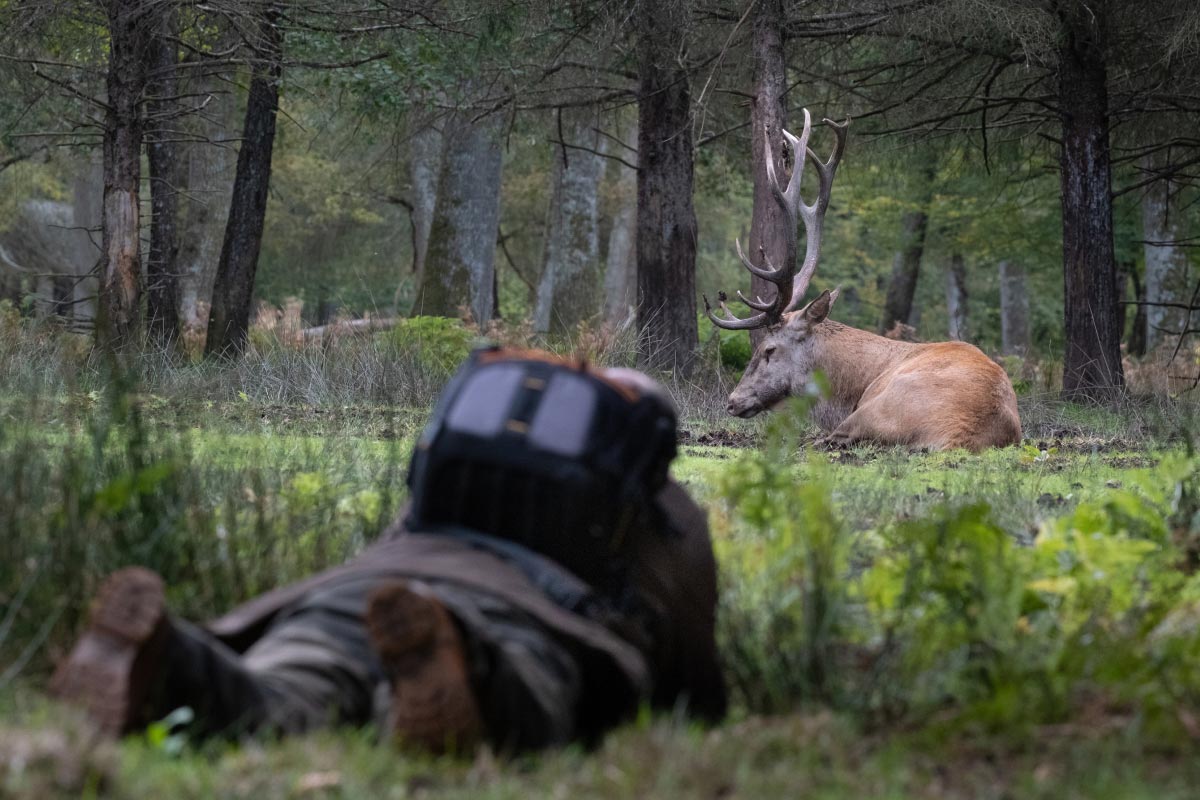
A stalking hunt is a day in which the hunter travels the terrain accompanied by the guard or person in charge of the reserve. The trophy is located at a distance and evaluated before starting the final approach.
The elements that define this type are:
• Constant mobility: long journeys and considerable slopes.
• Rigorous selection: only the assigned piece is culled (selective, representative, or trophy according to permit).
• Approach technique: use of wind, terrain, and orography to avoid being detected.
• Controlled shot: shots at variable distances, with support, patience, and precision.
The result does not depend solely on the luck of the draw, but also on the skill and the hunter-guard duo.
Most representative species in stalking
Each reserve has its own hunting identity, but the most common species in public stalking hunts in Spain are:
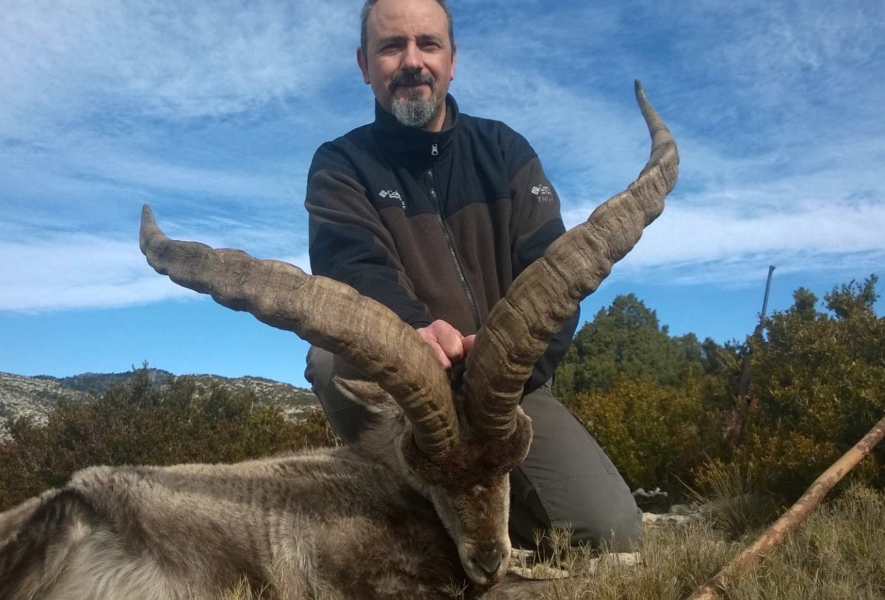
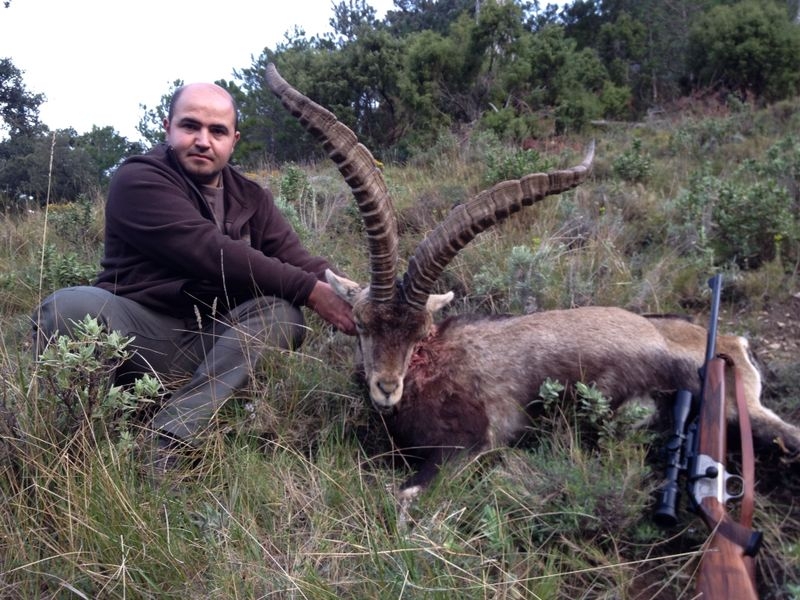
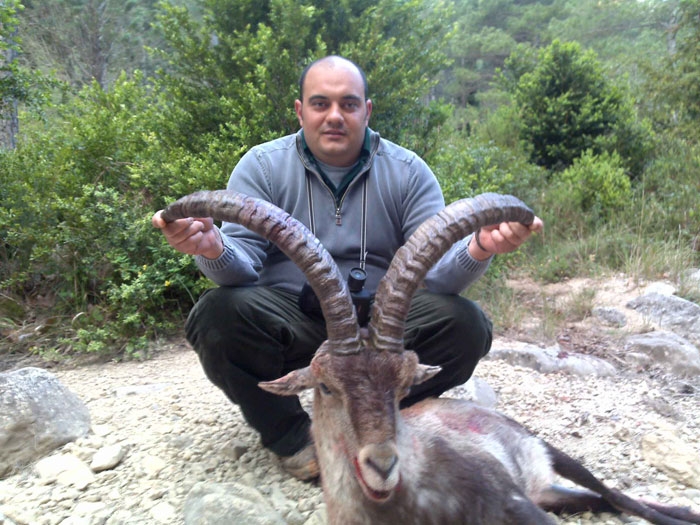
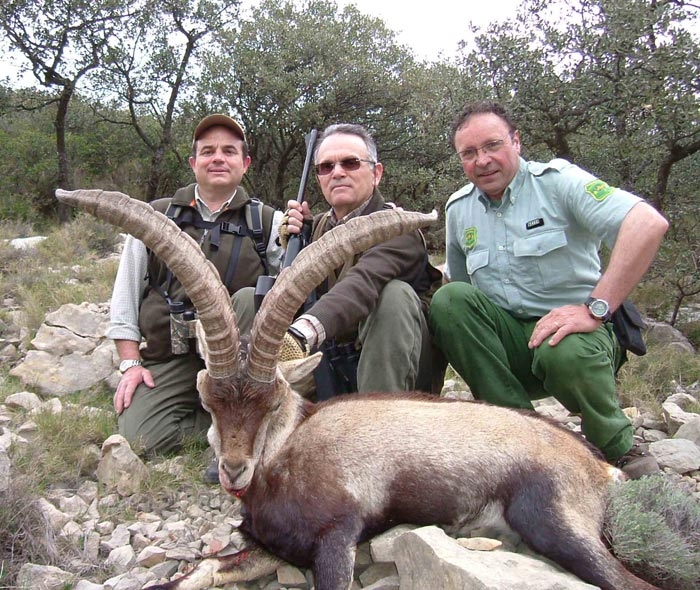
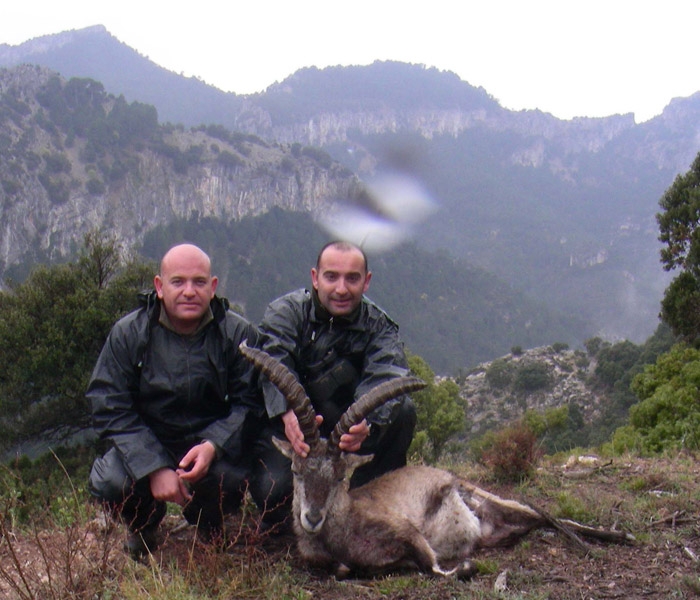
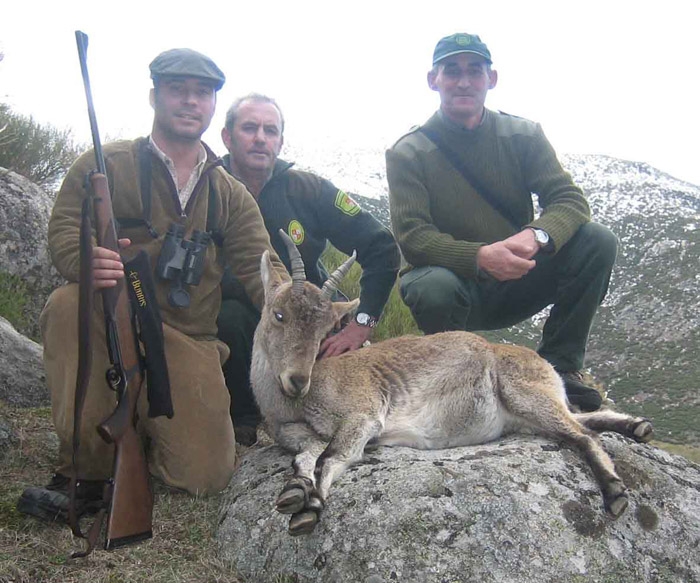
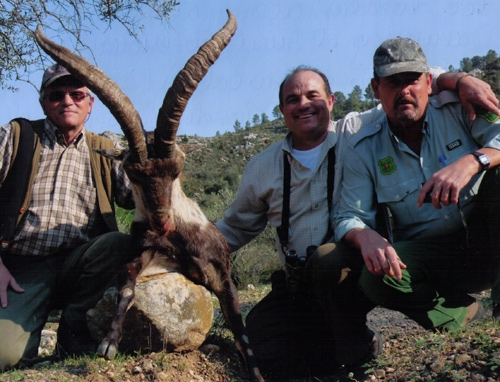
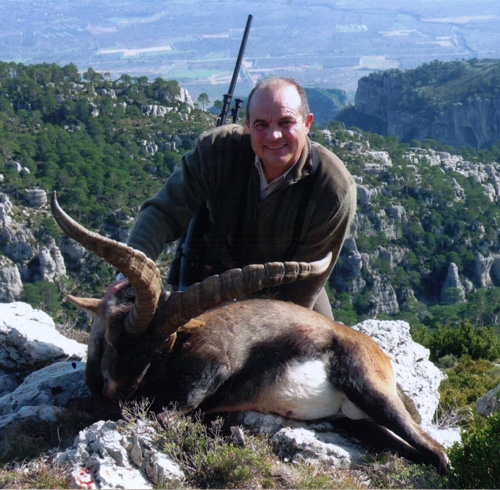
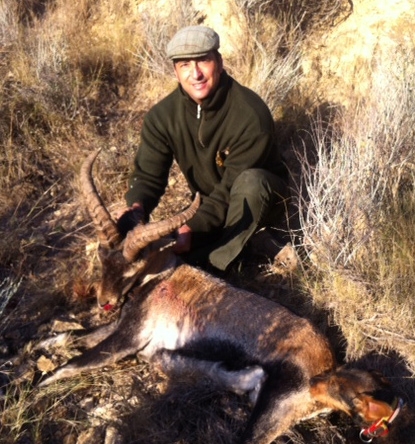
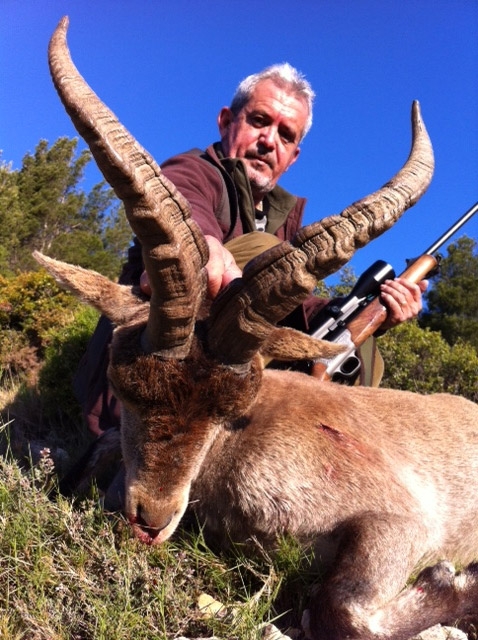
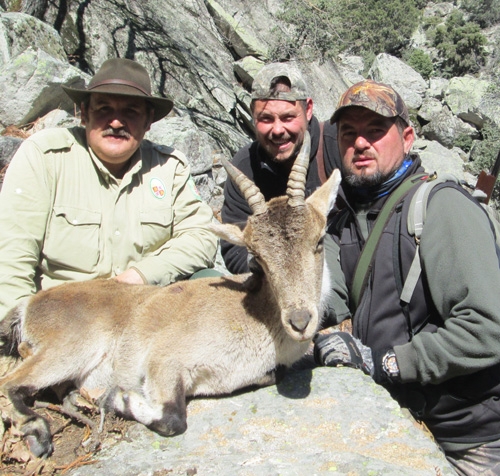
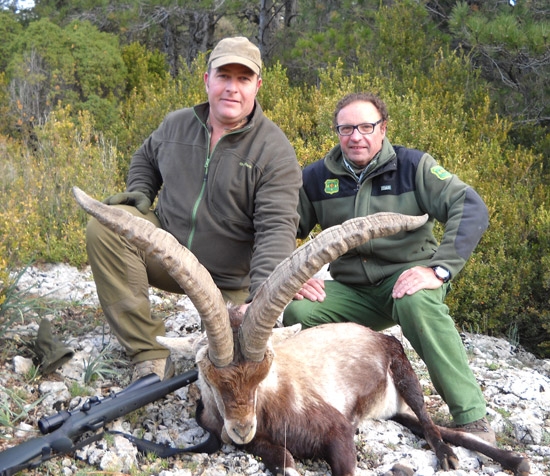
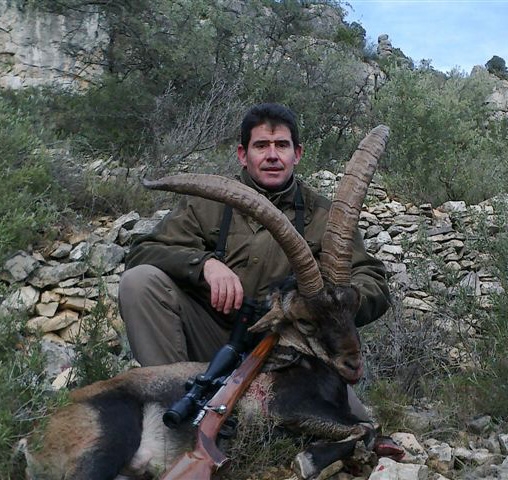
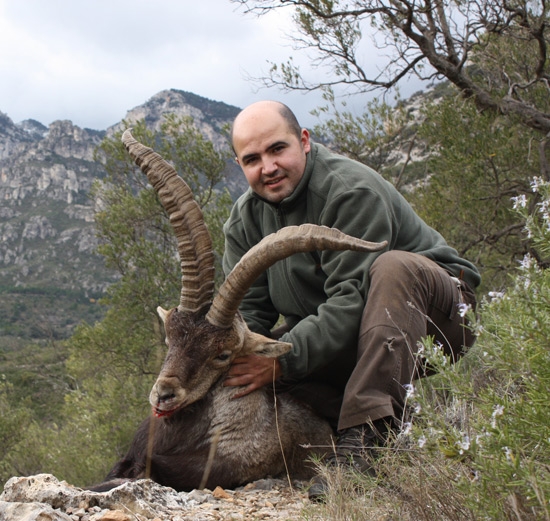
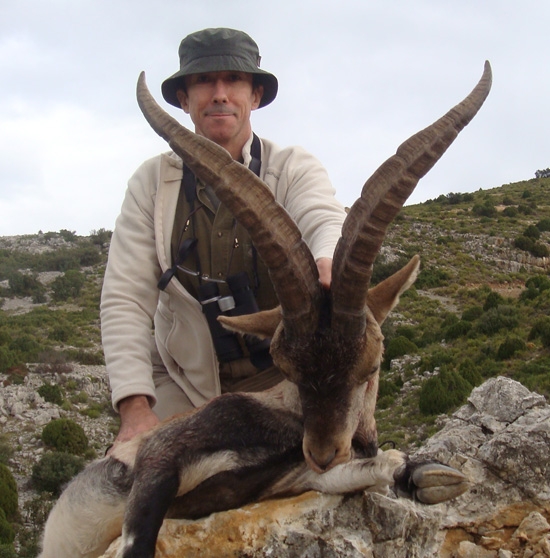
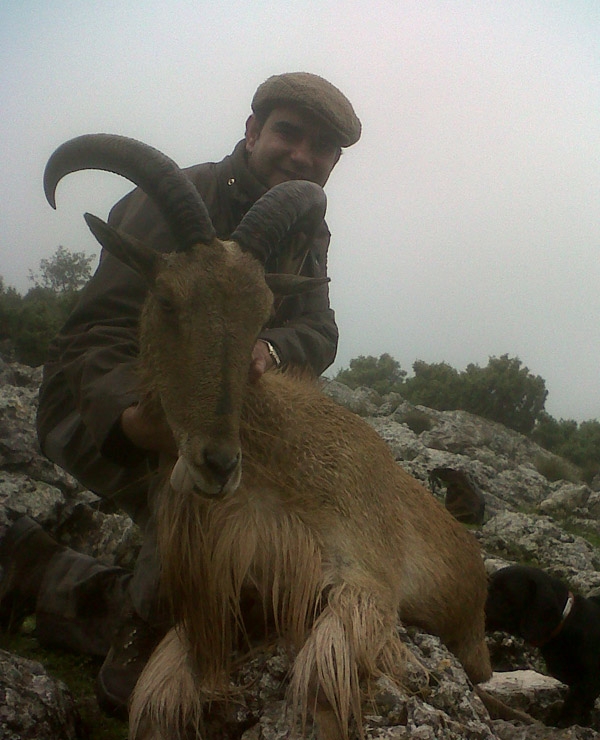
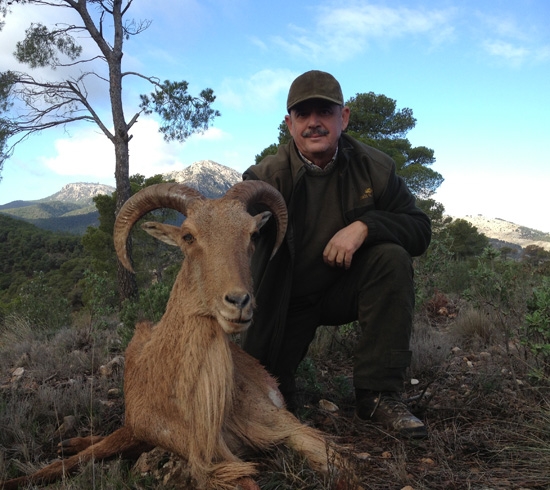
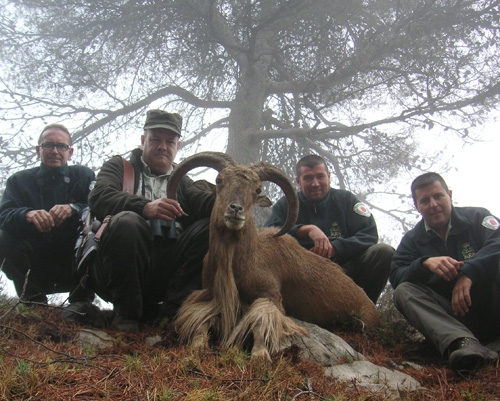
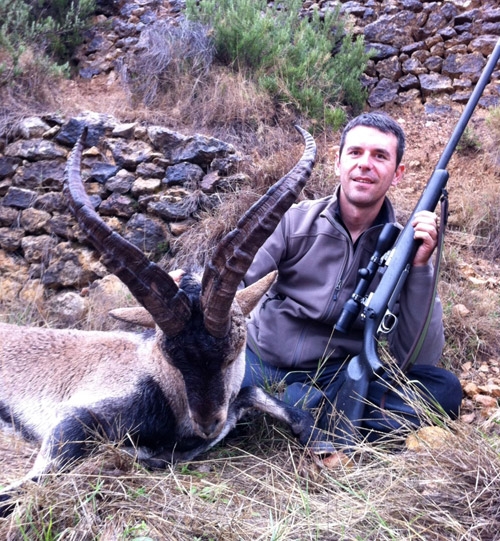
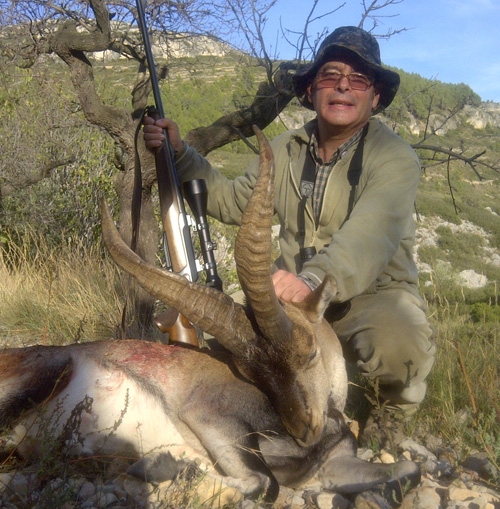
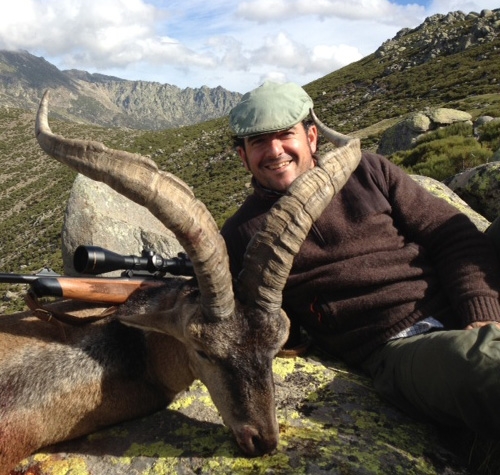
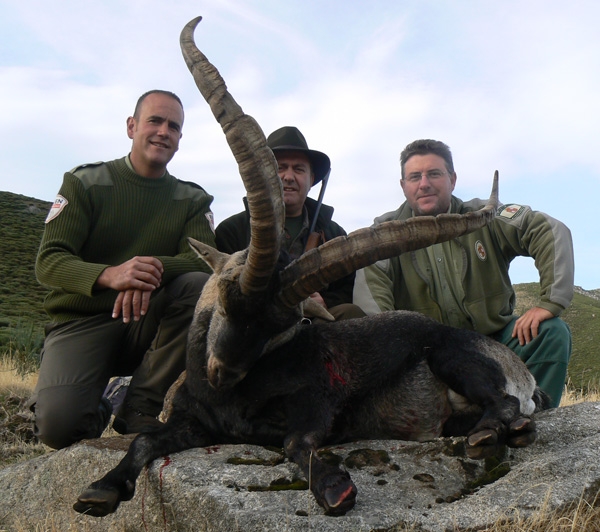
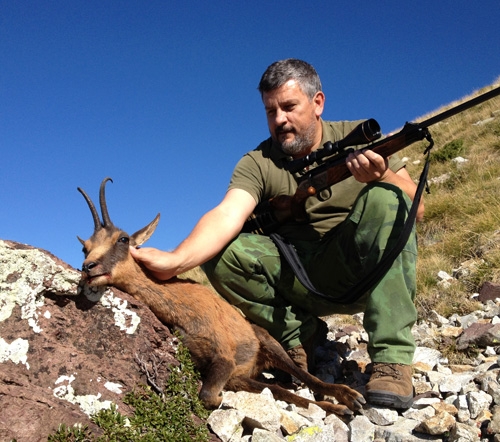
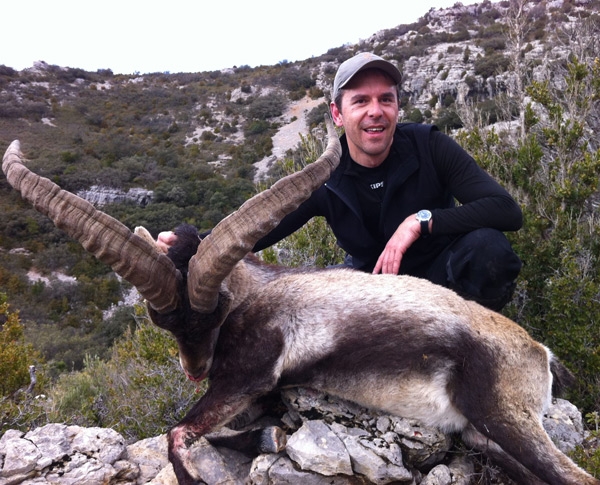
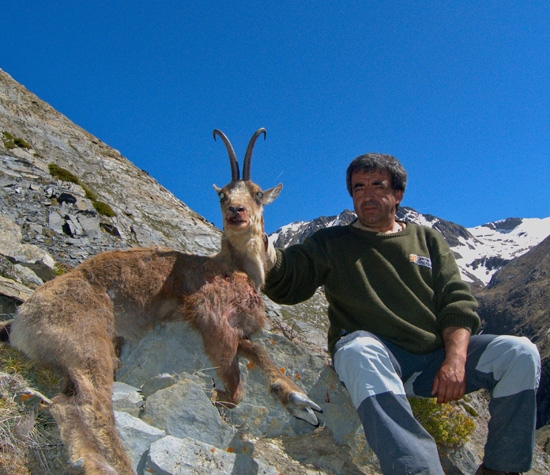
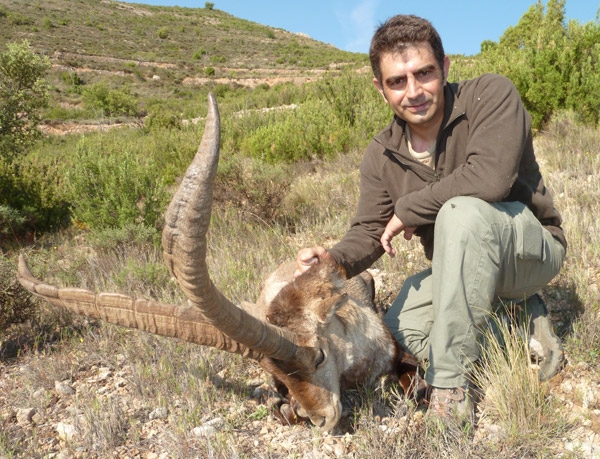
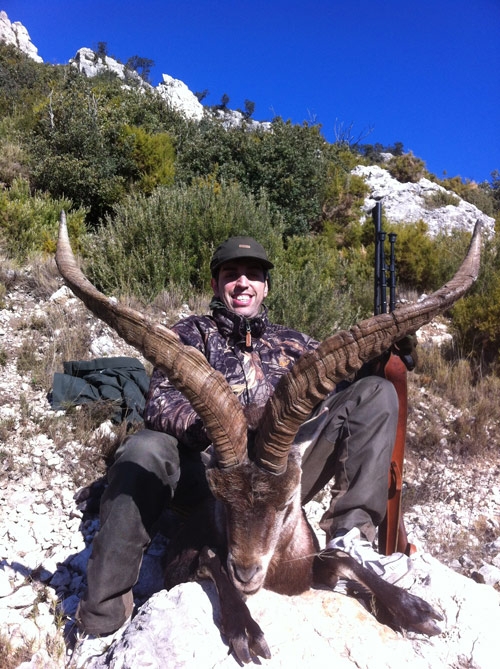
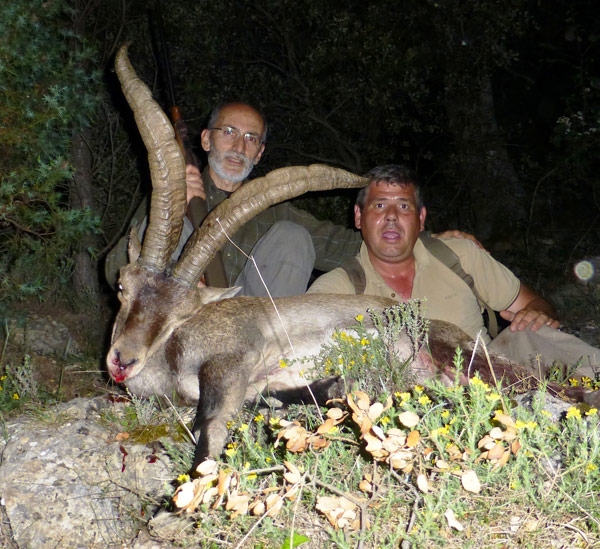
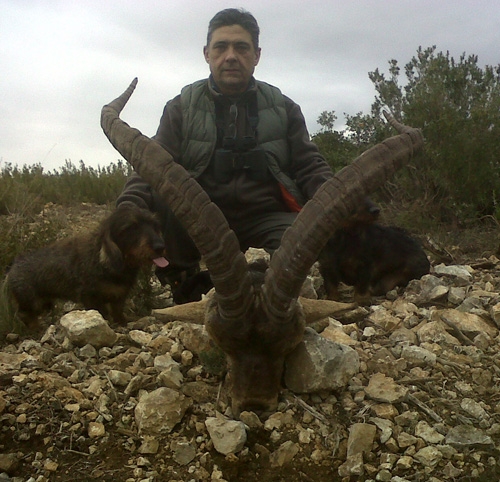
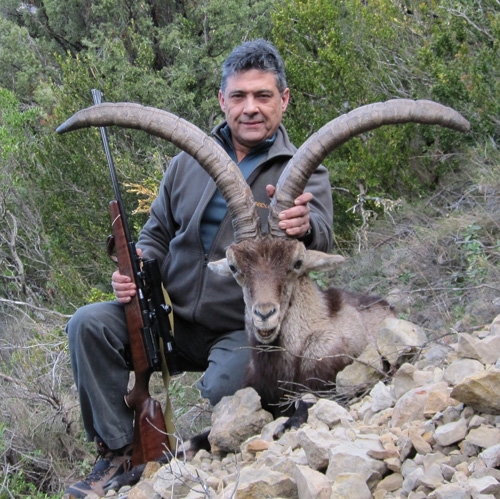
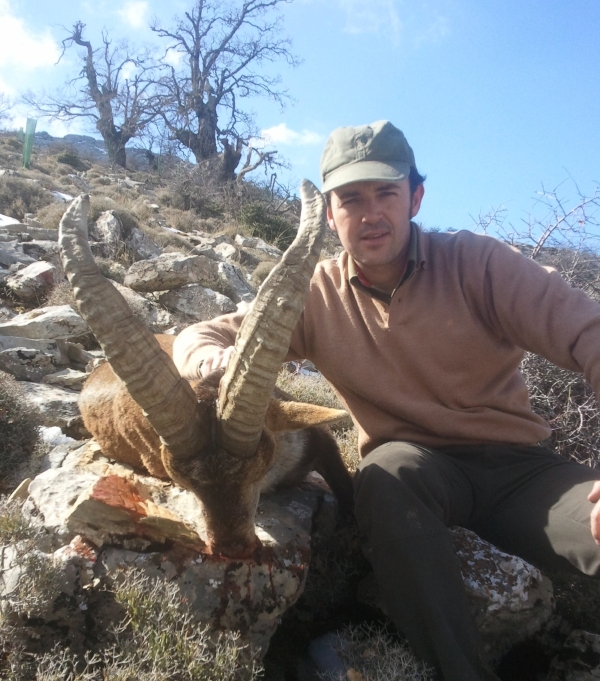
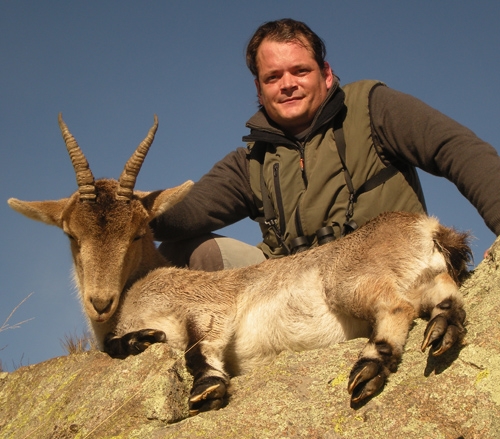
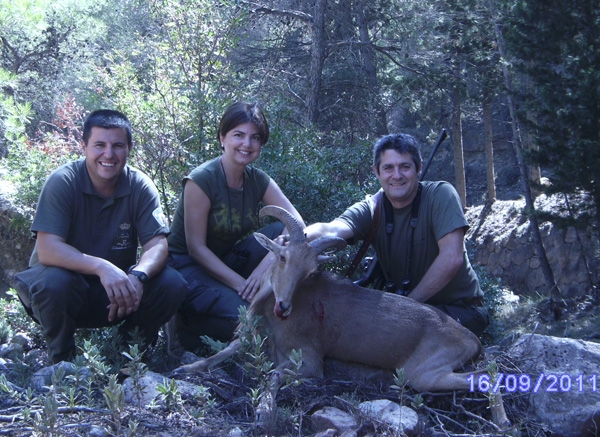
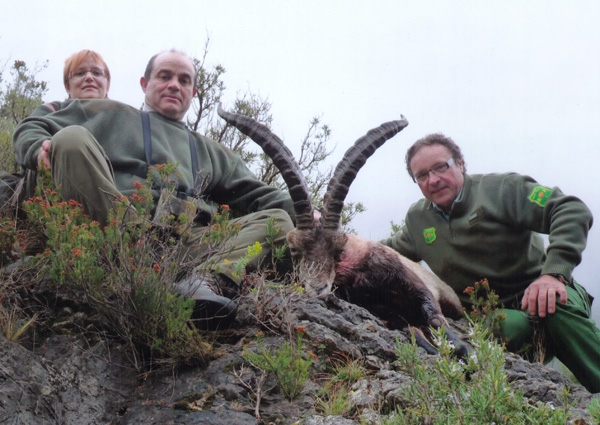
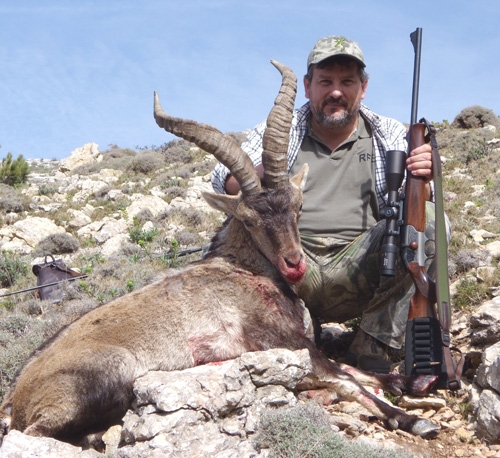
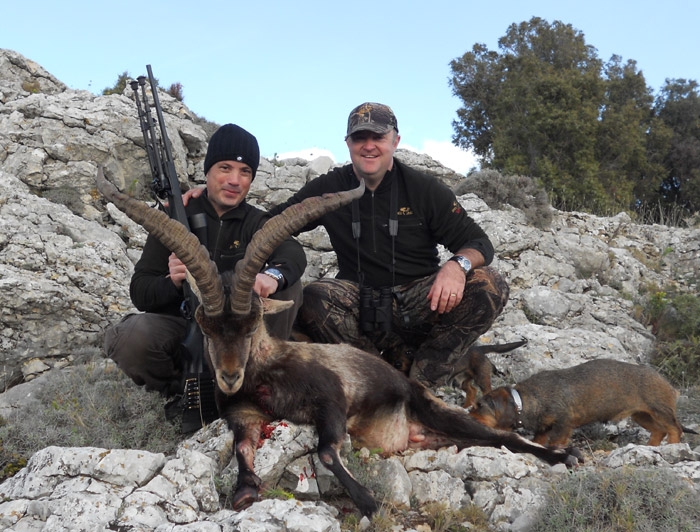
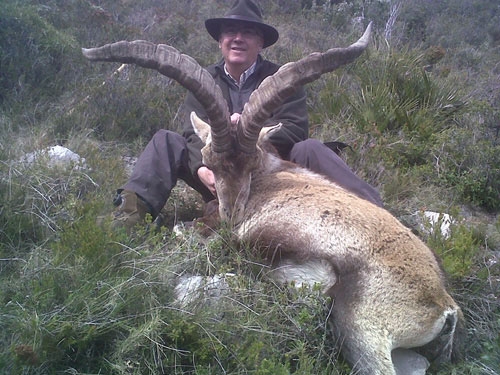
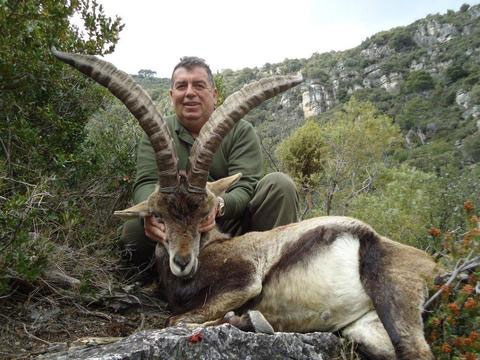
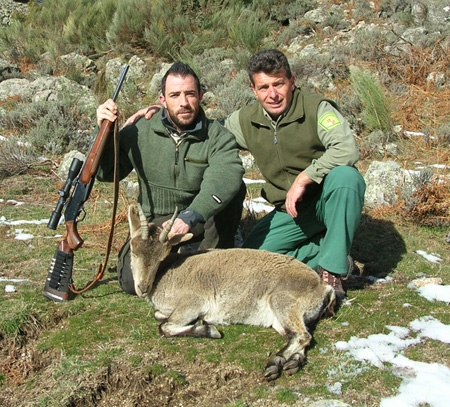
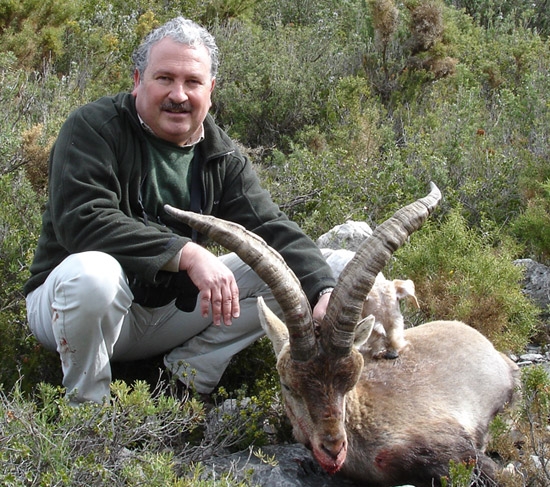
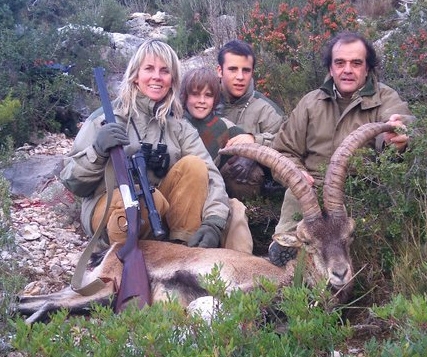
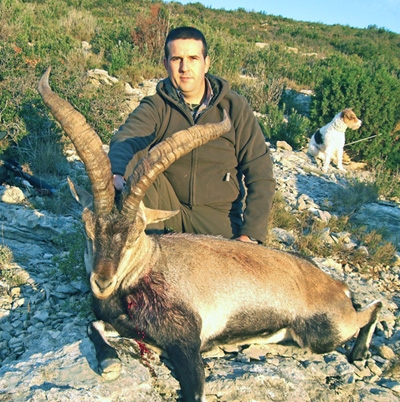
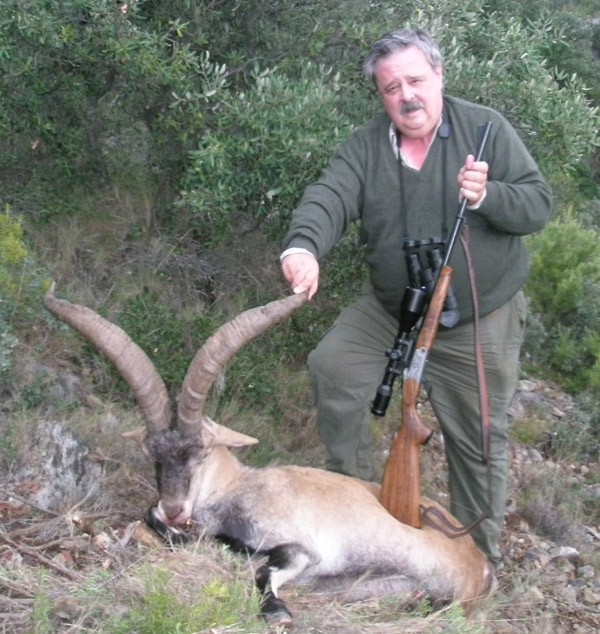
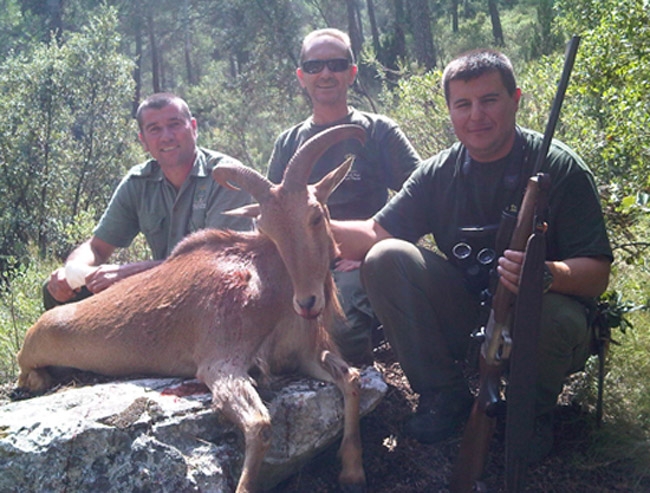
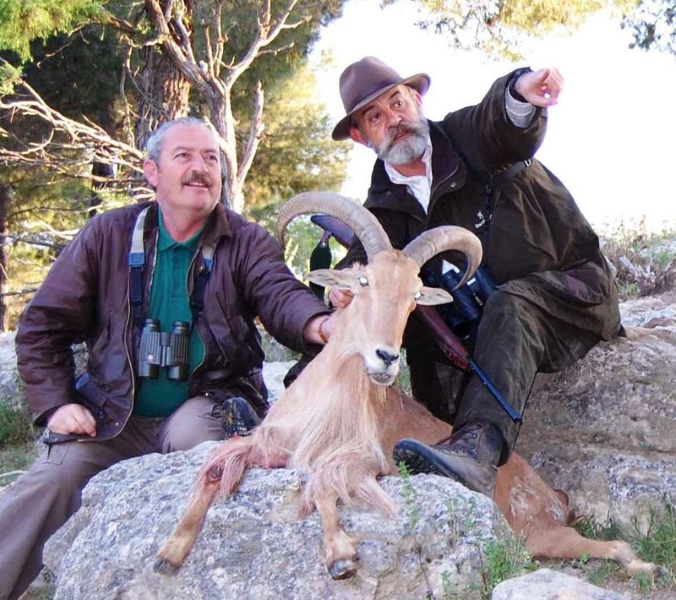
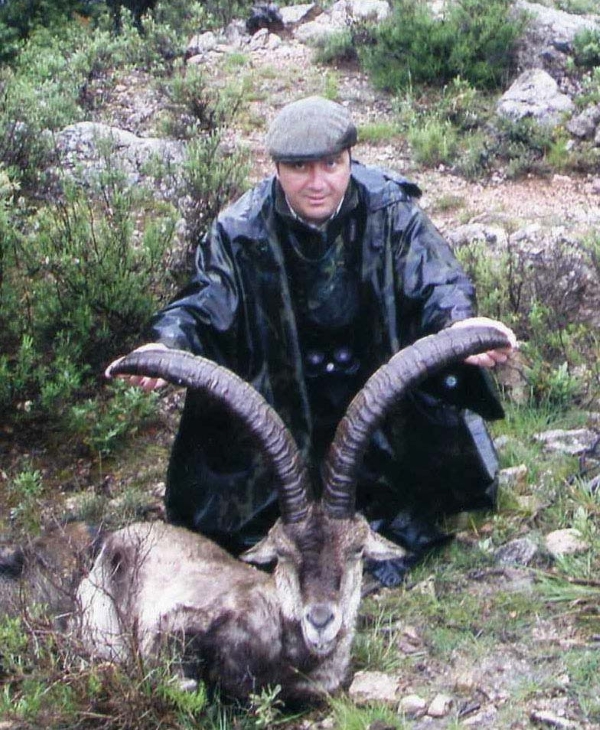
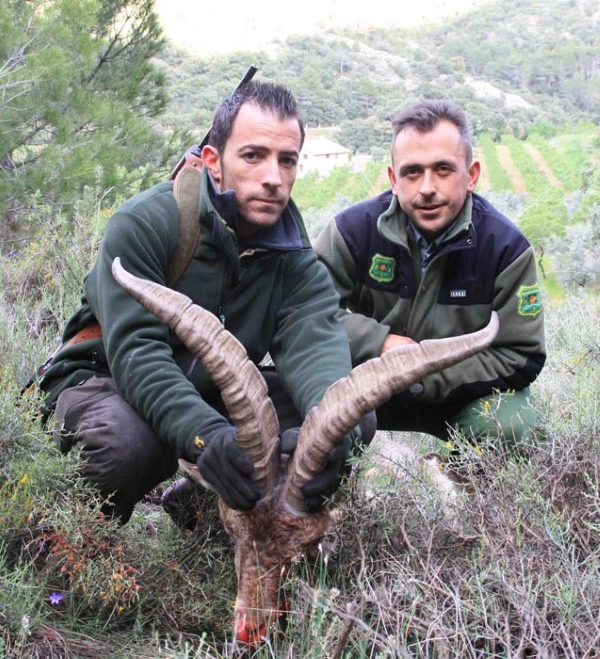
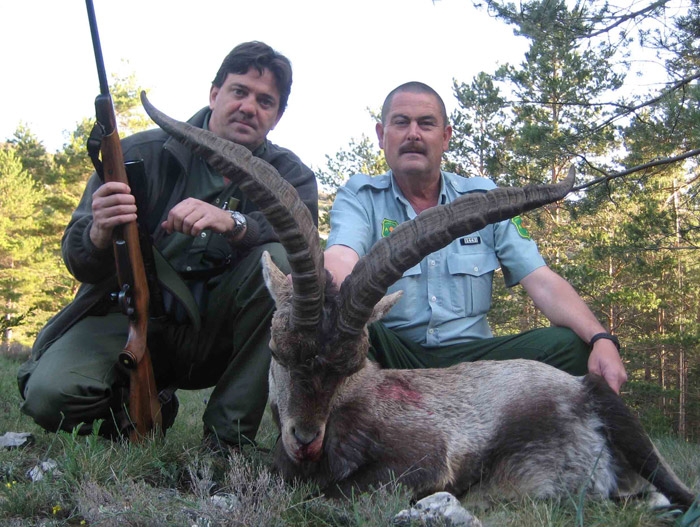
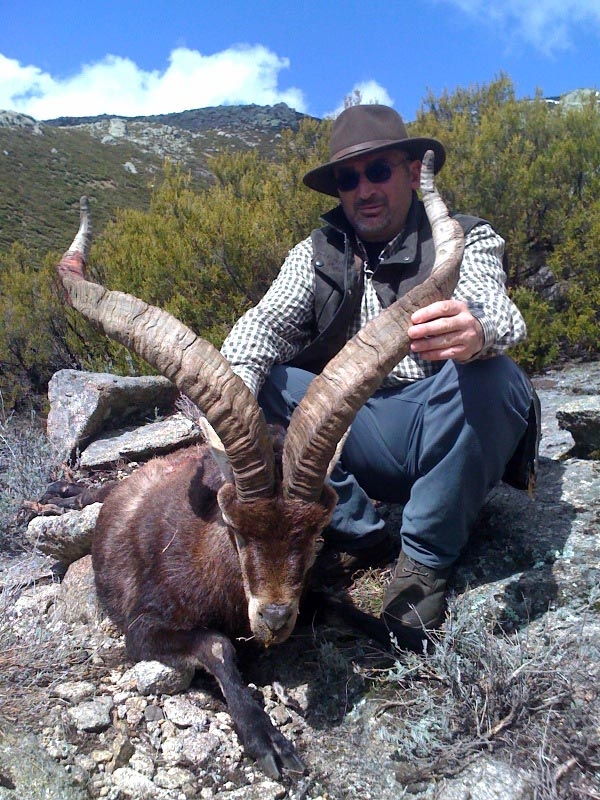
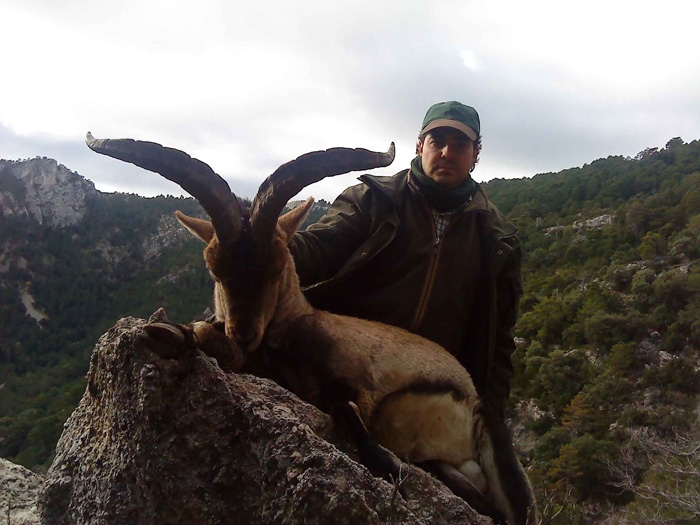
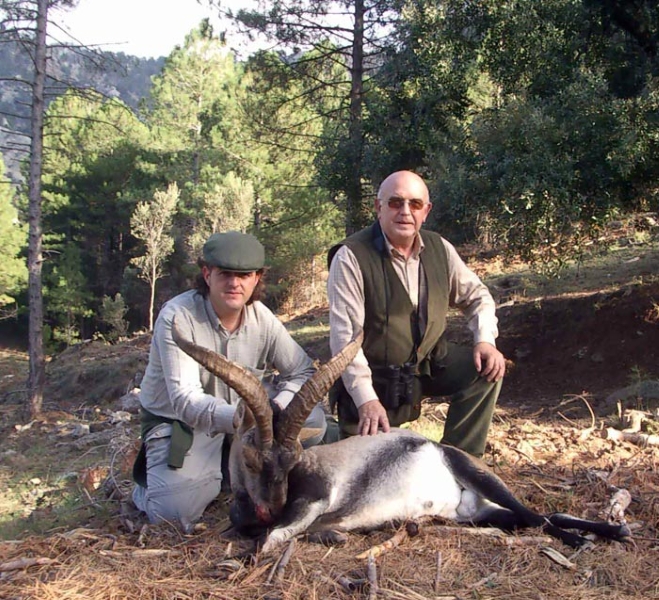
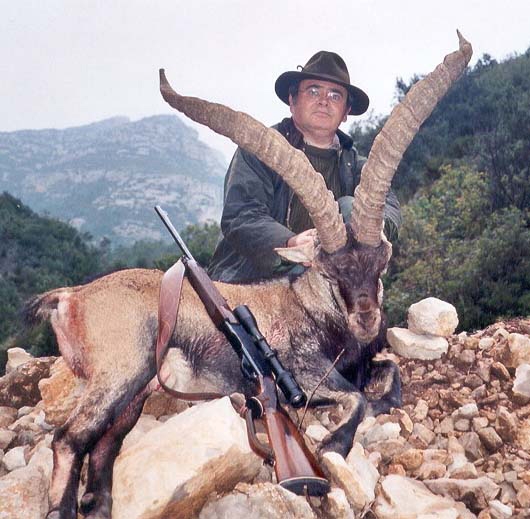
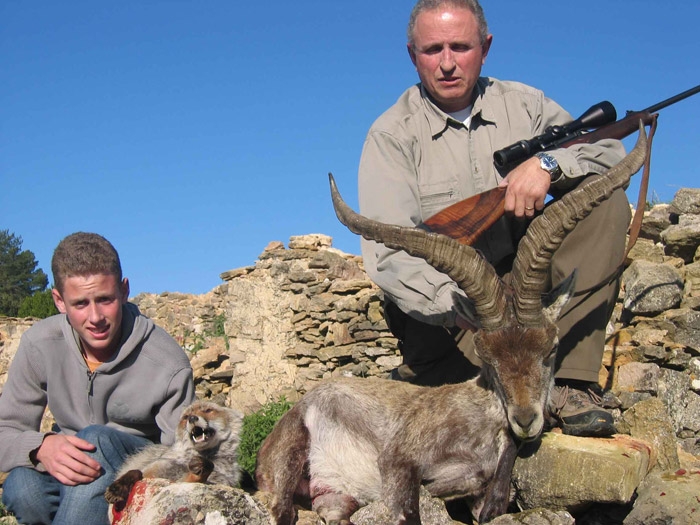
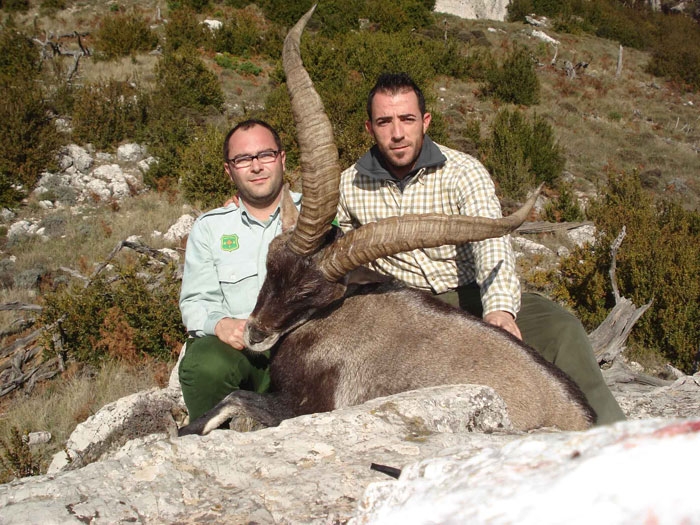
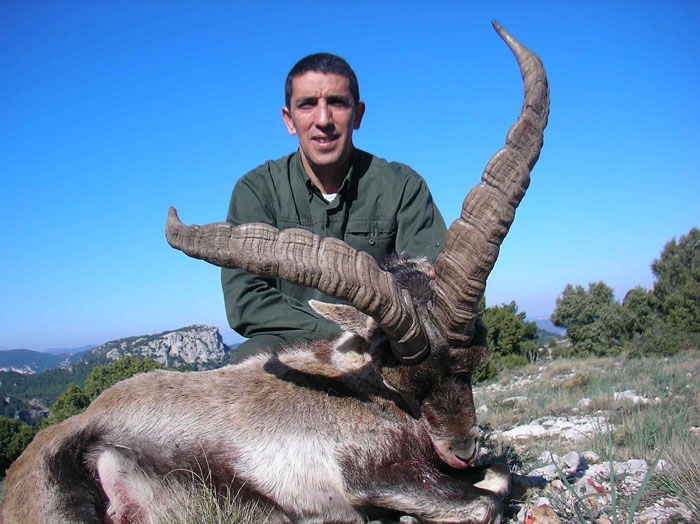
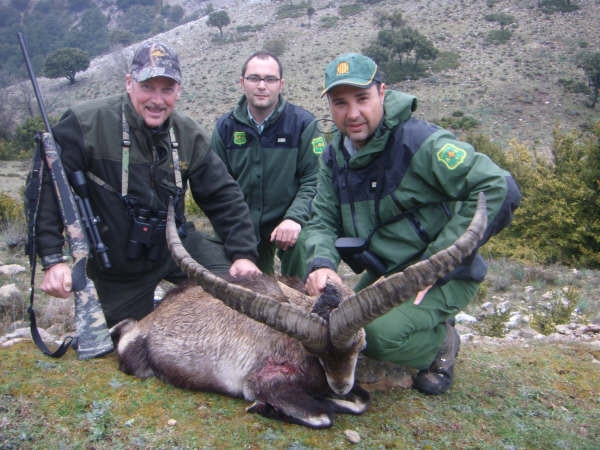
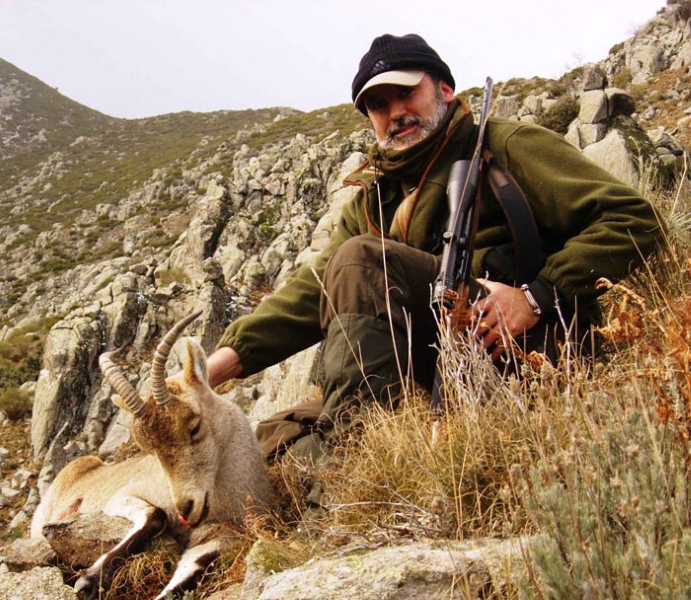
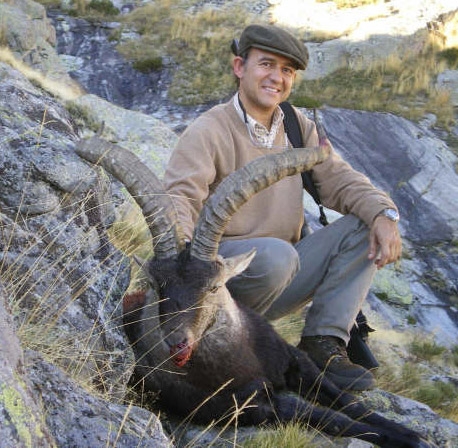
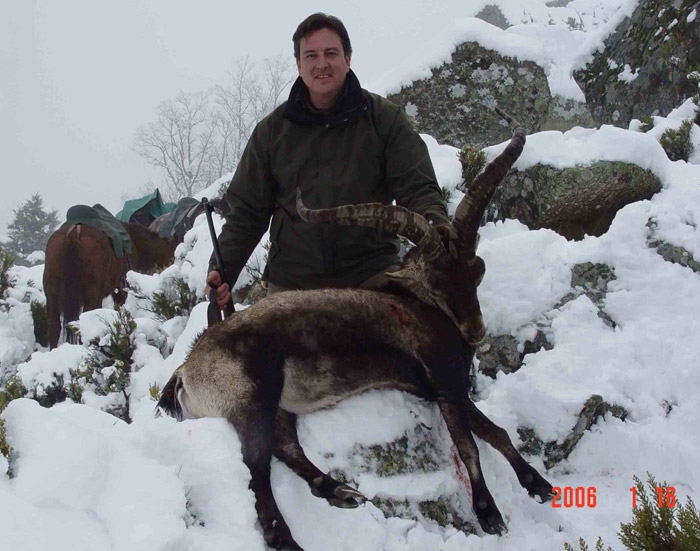
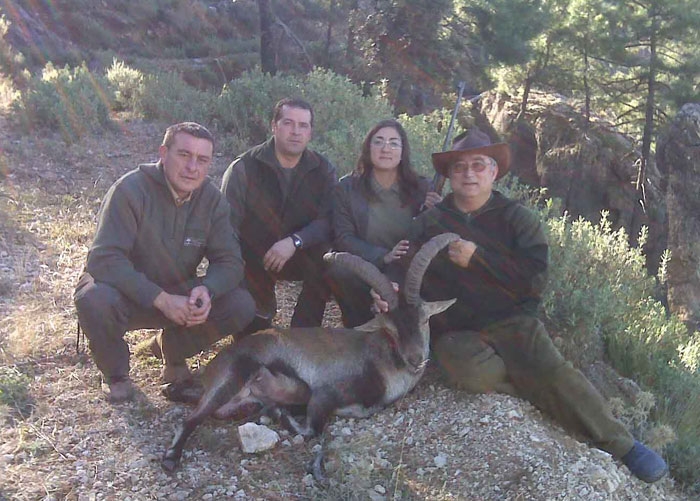
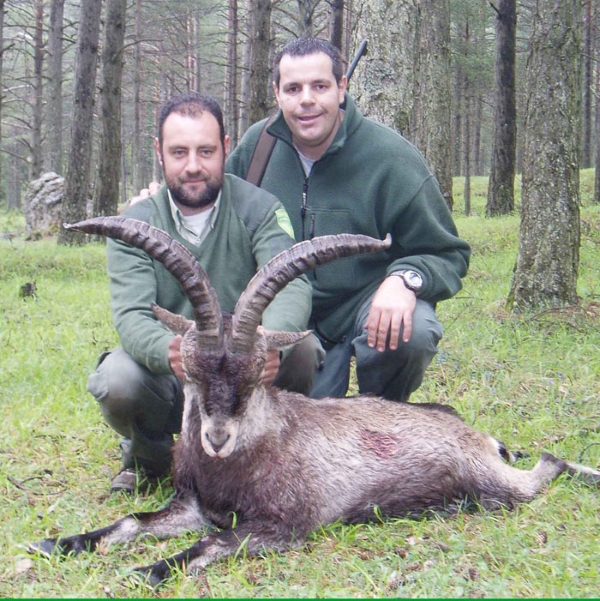
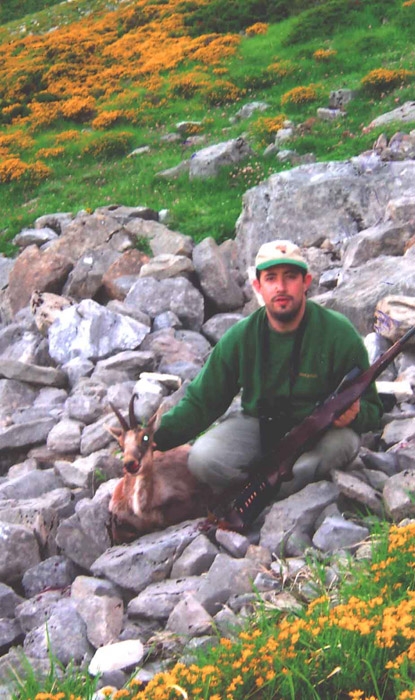
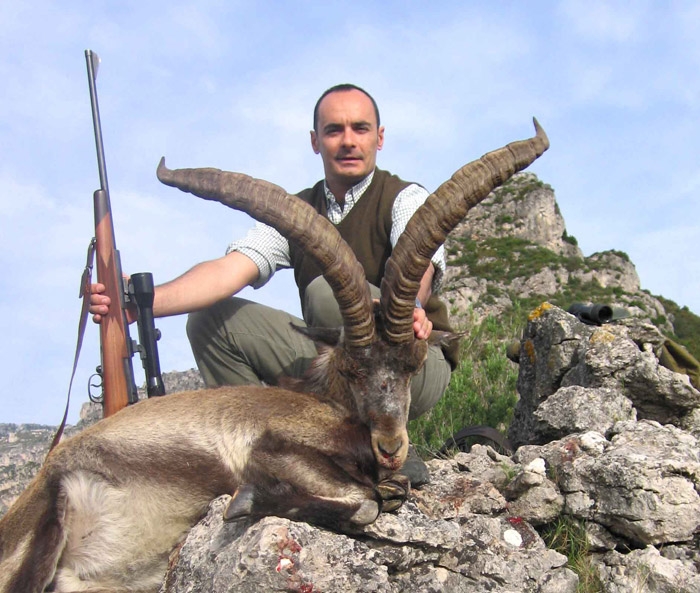
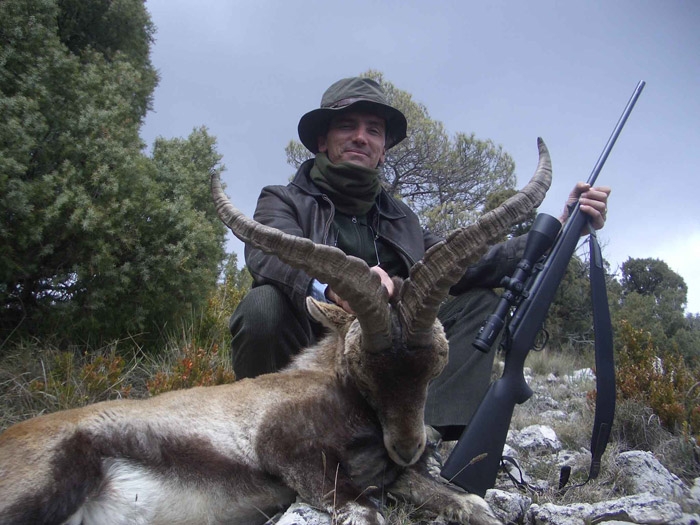
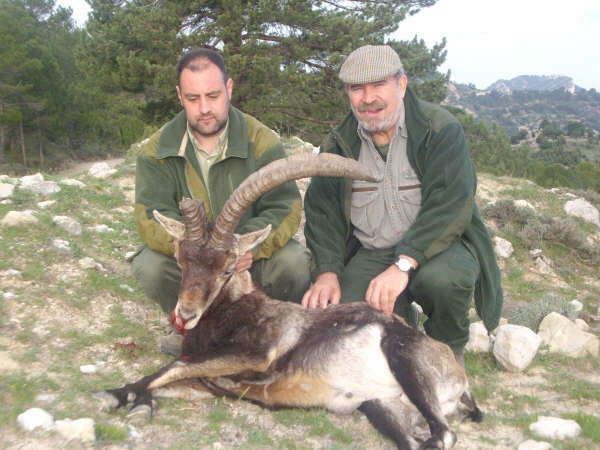
• Spanish ibex: the star species; technical stalking hunts, rugged areas, and strict assessment.
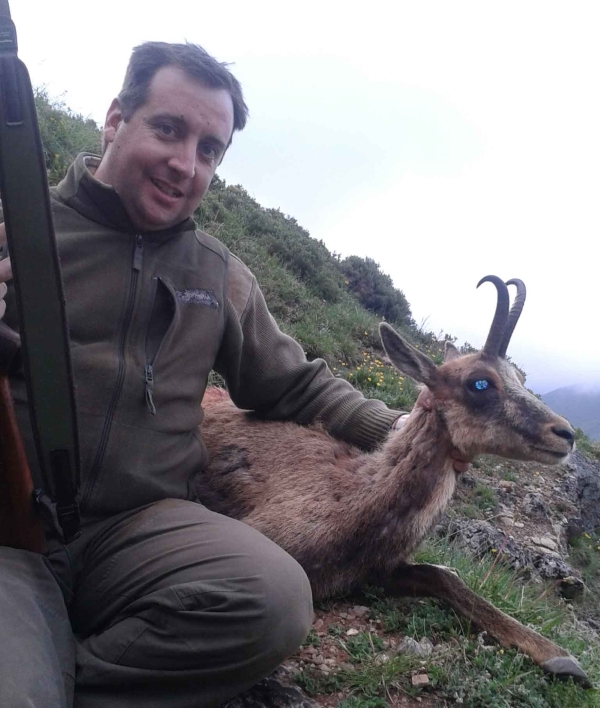
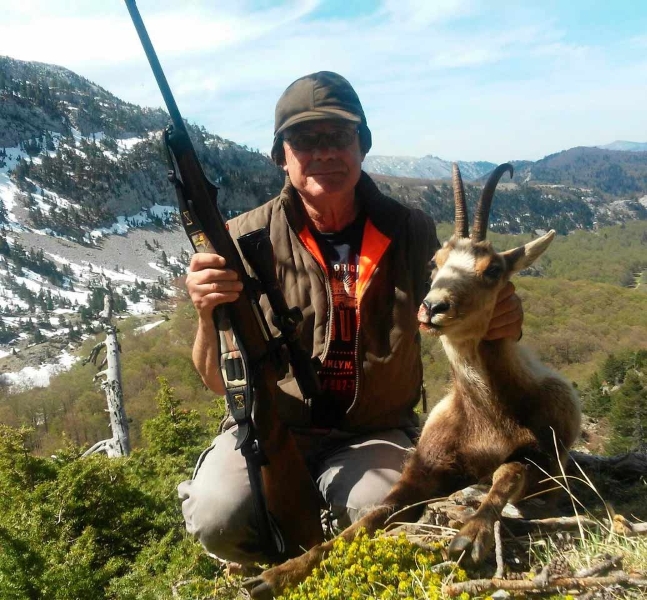
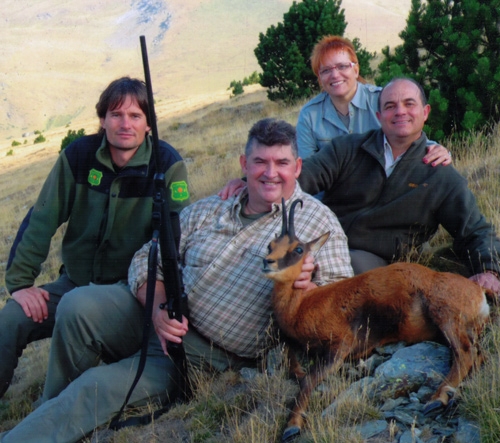
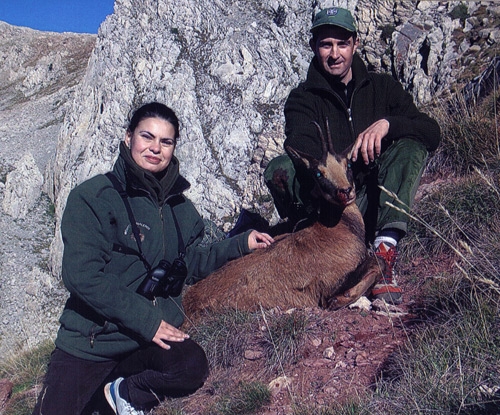
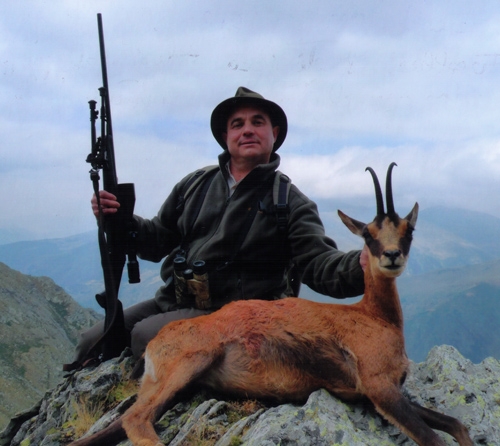
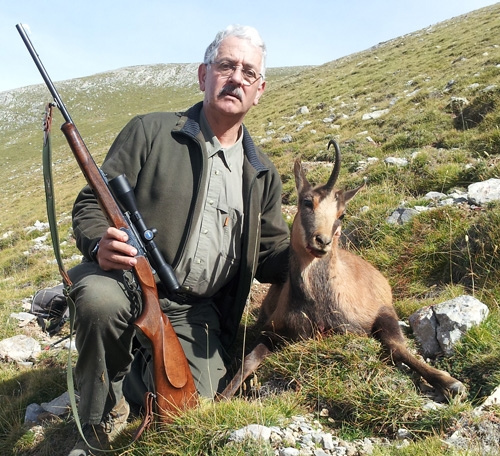
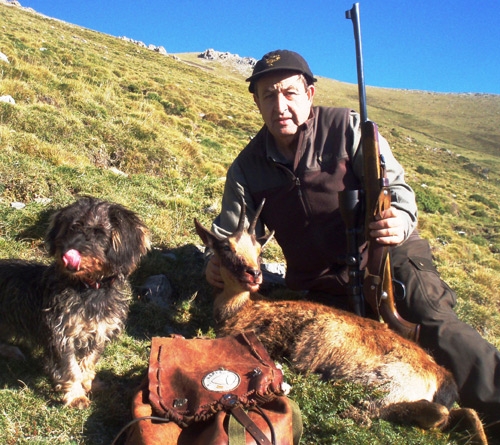
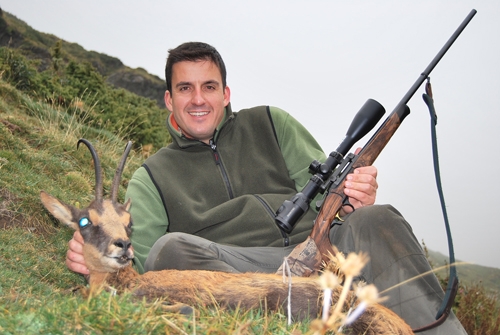
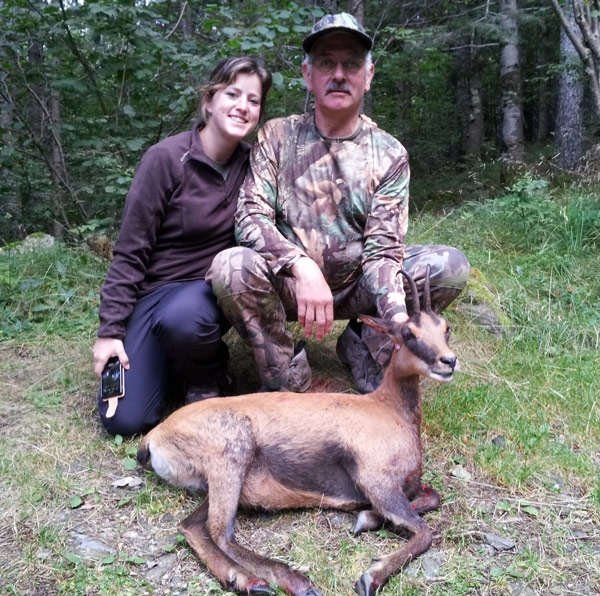
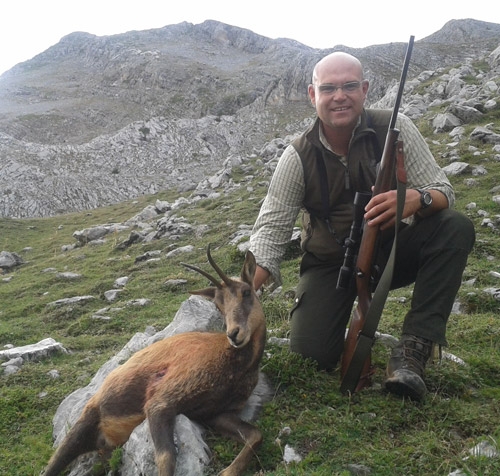
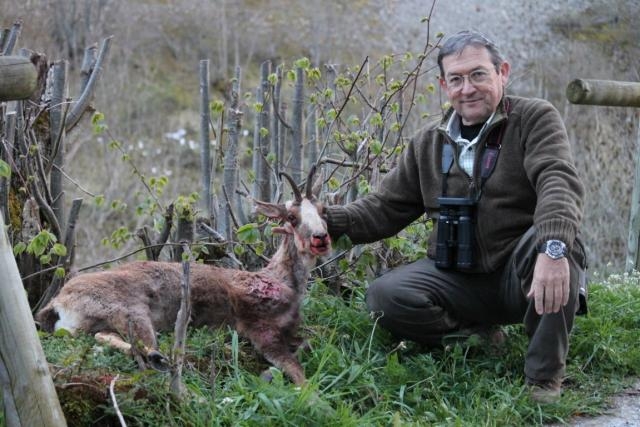
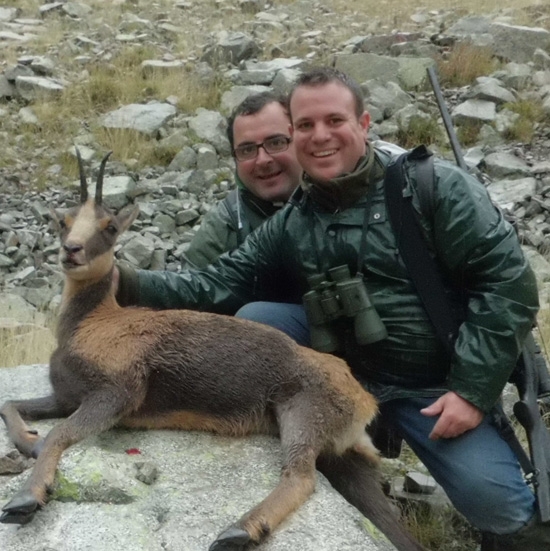
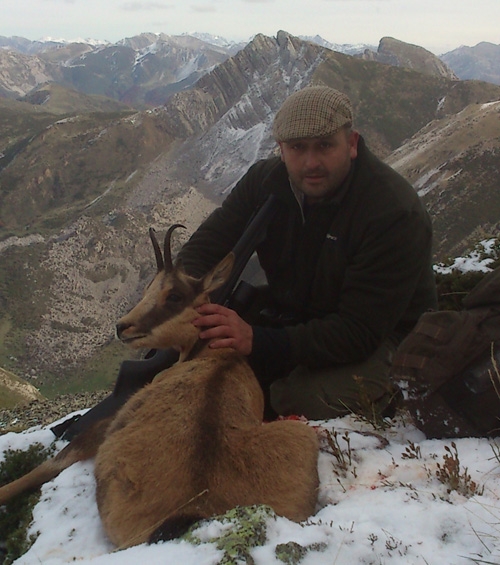
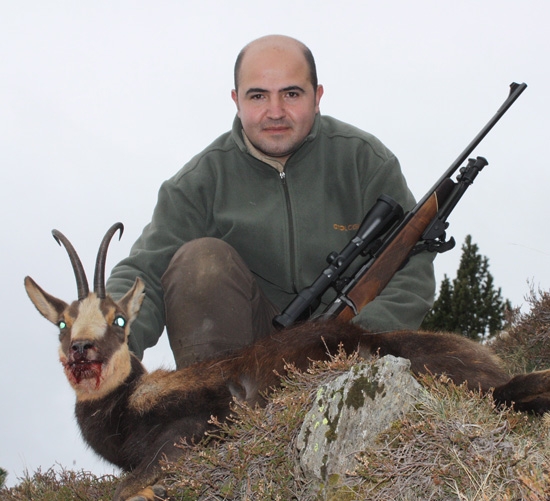
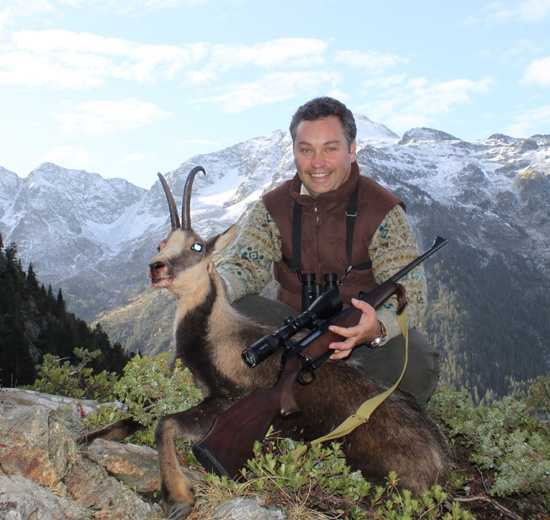
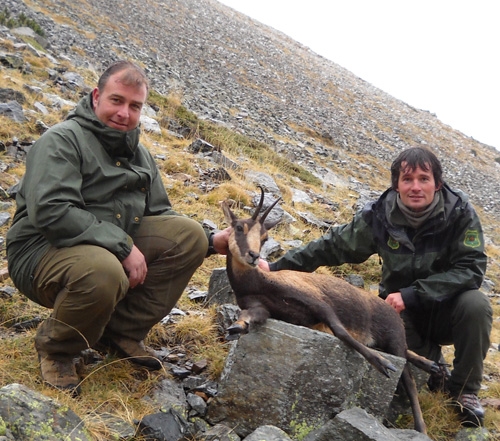
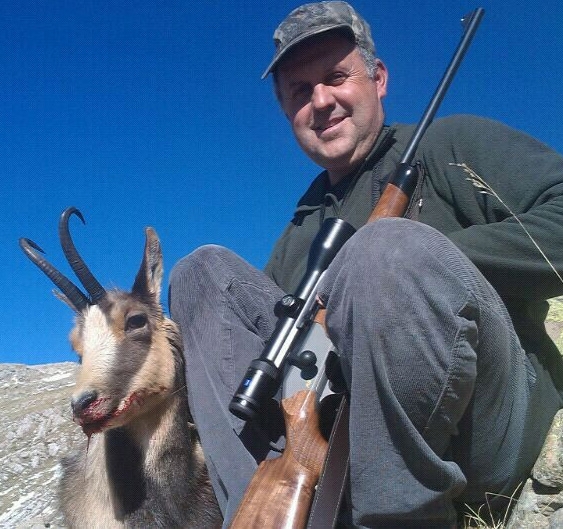
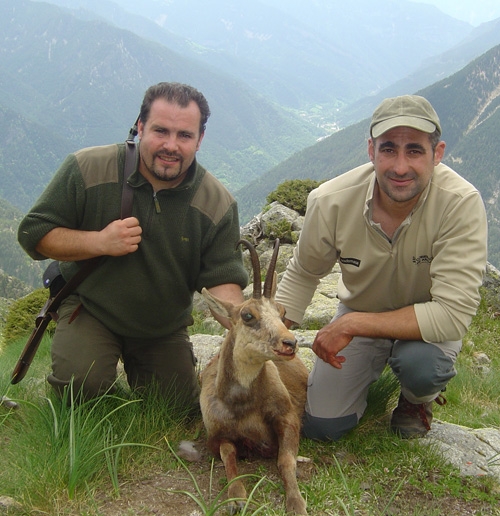
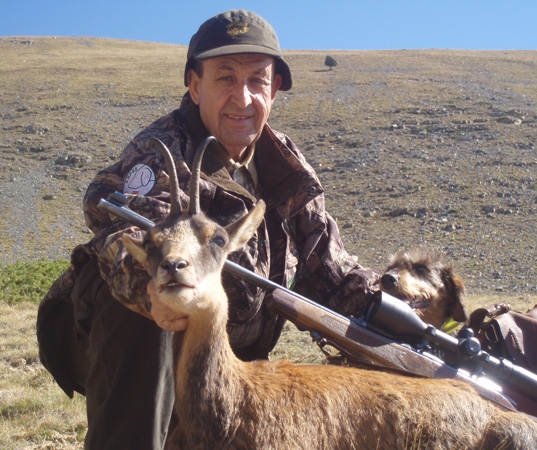
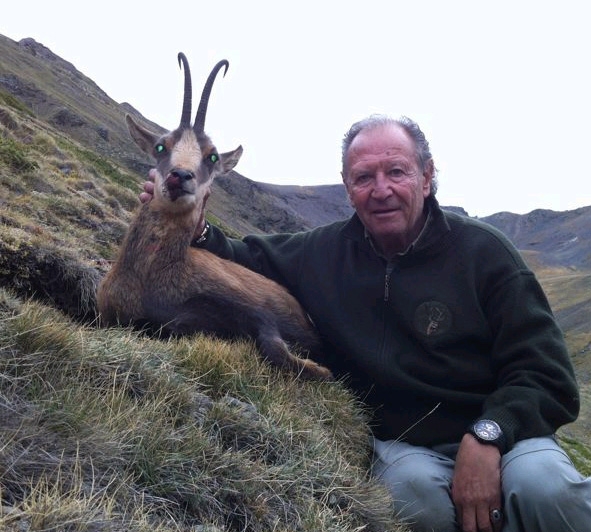
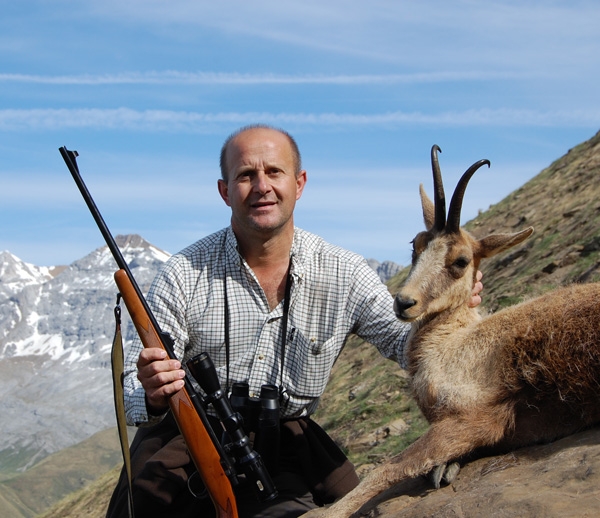
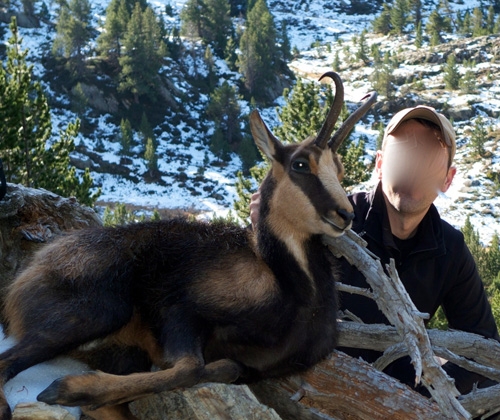
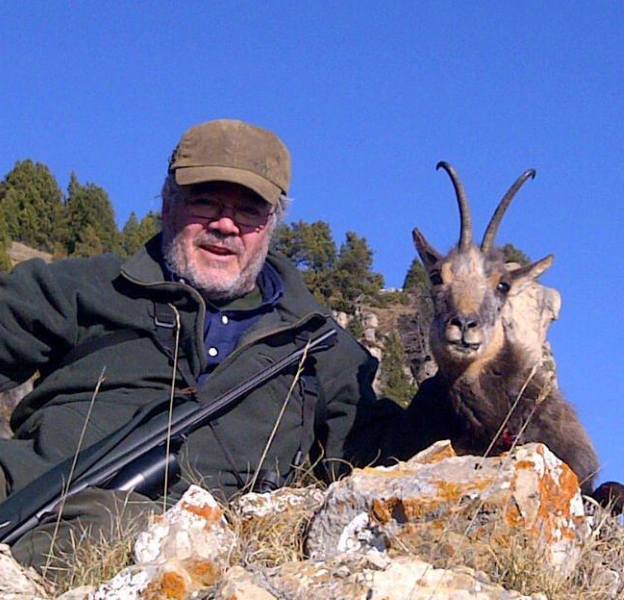
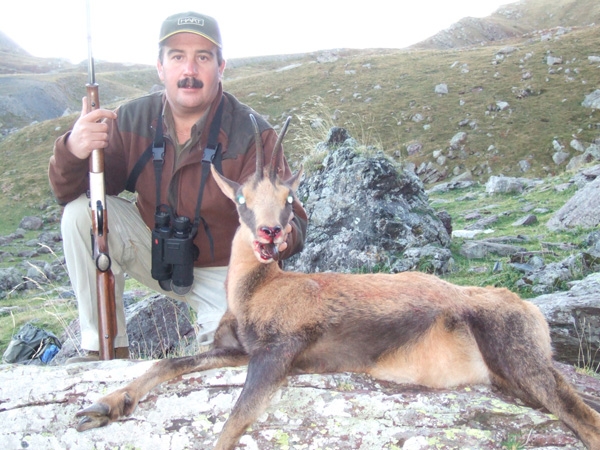
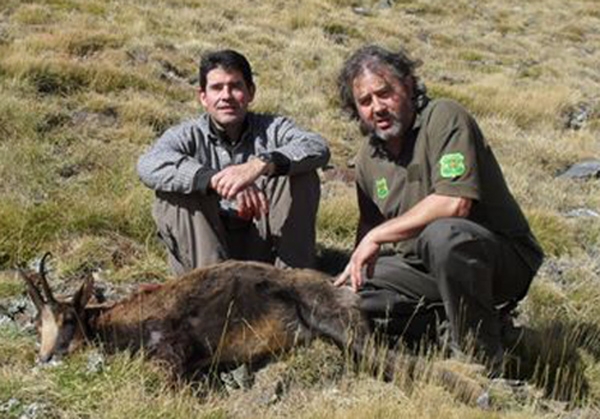
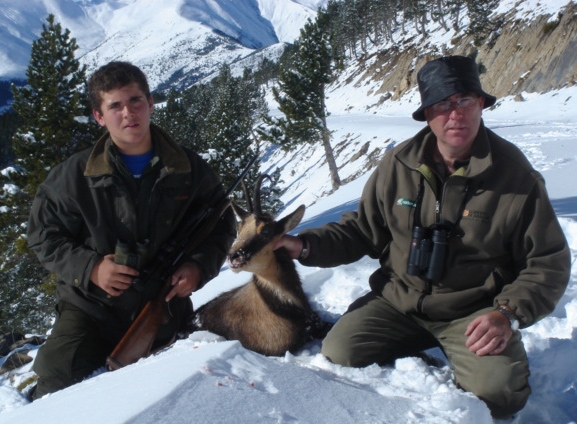
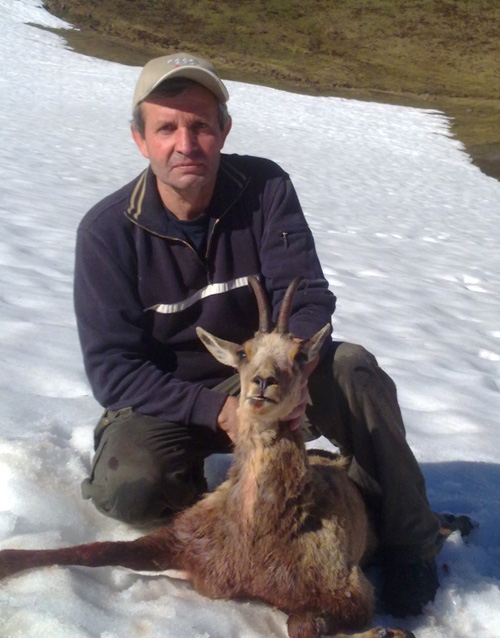
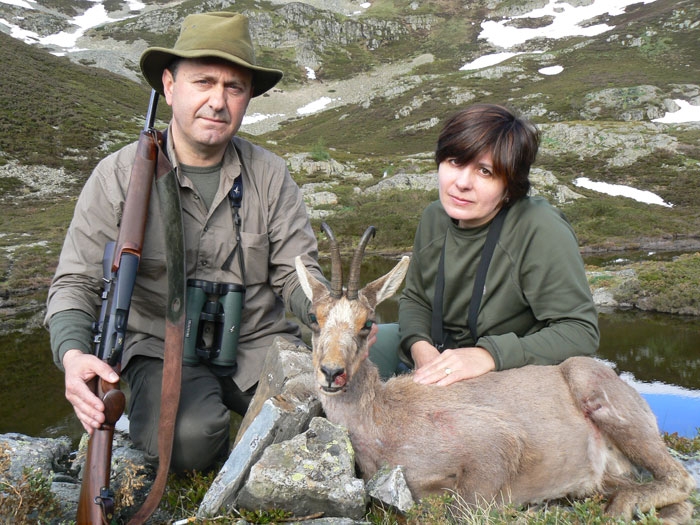
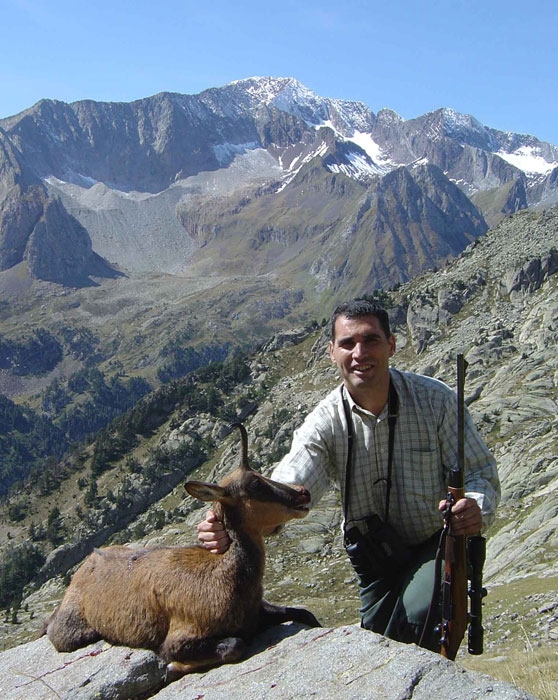
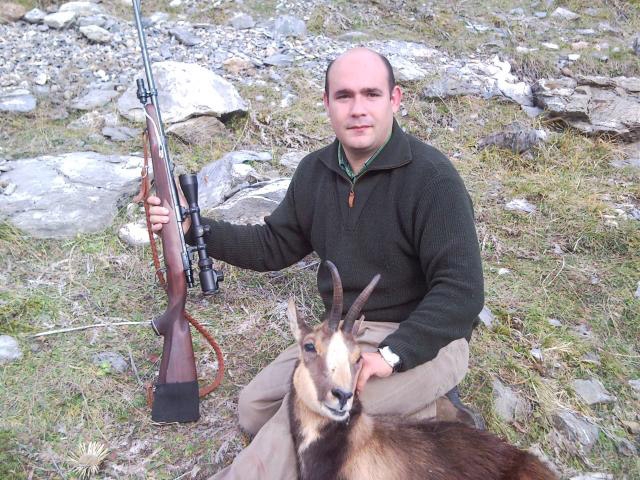
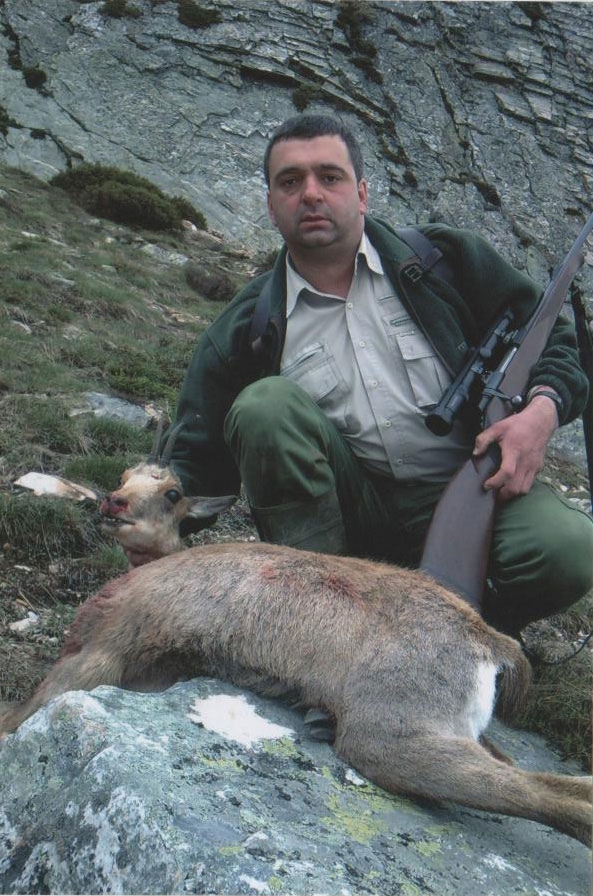
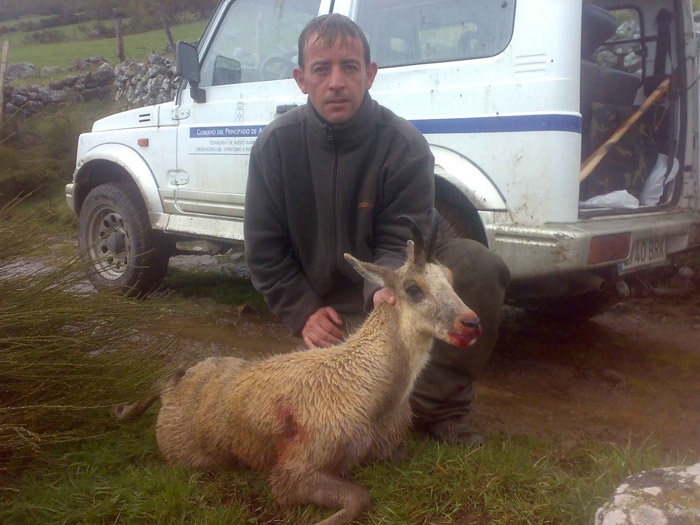
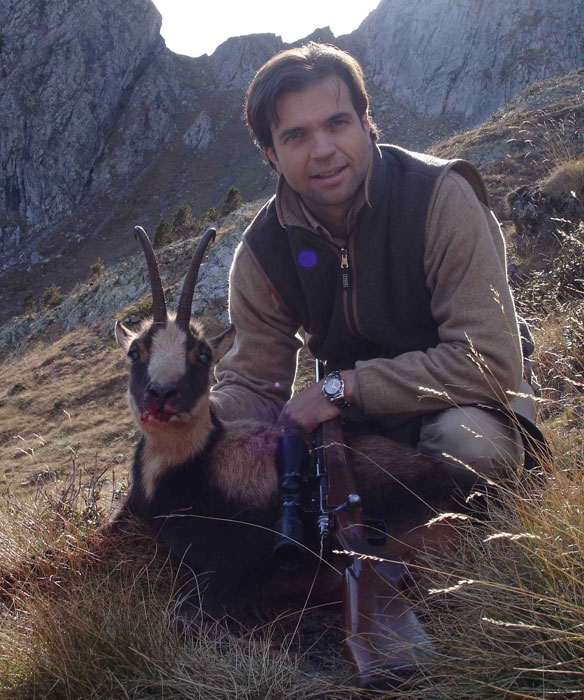
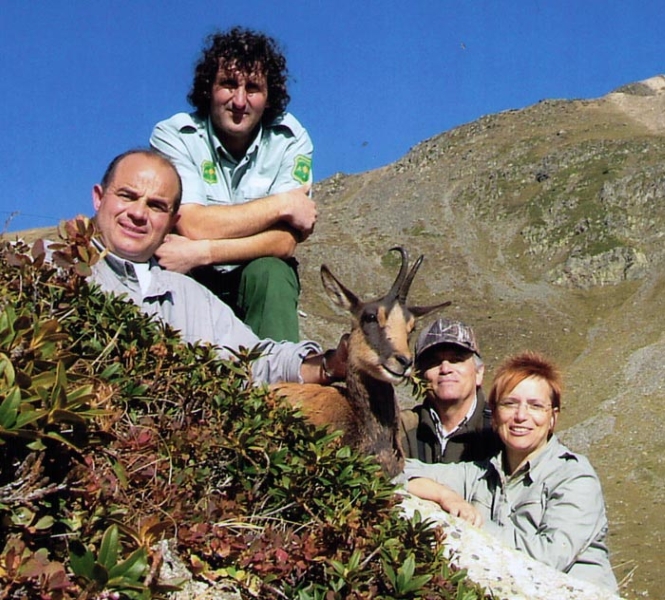
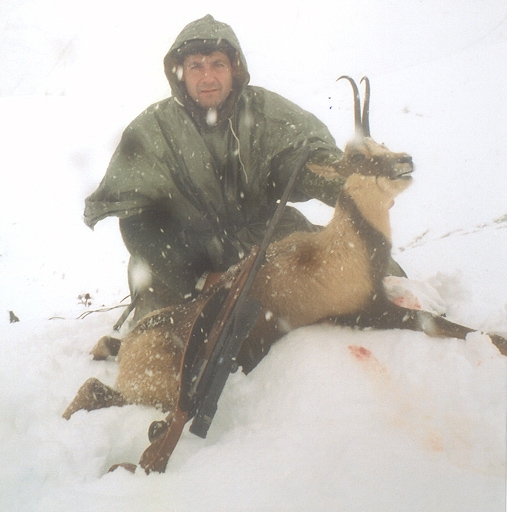
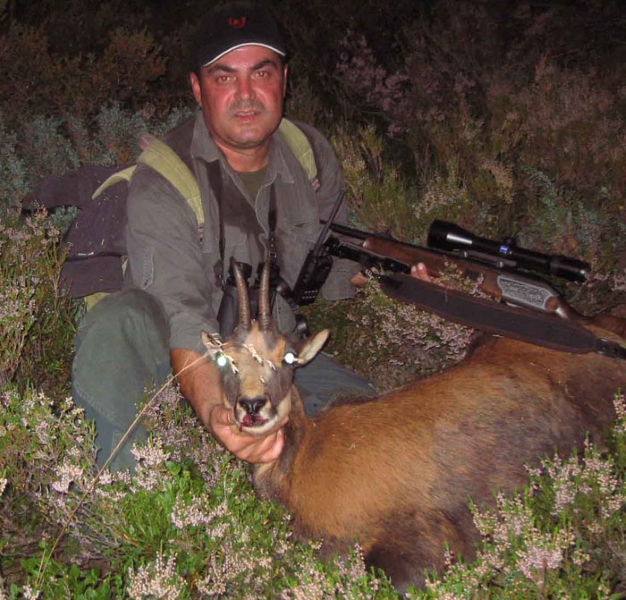
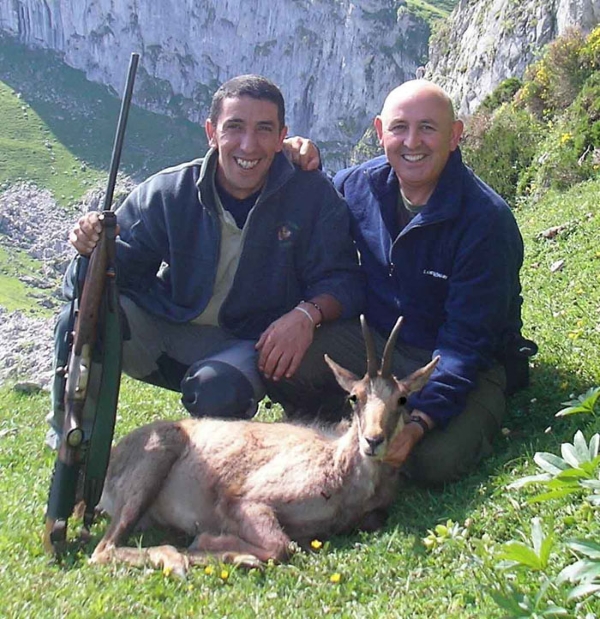
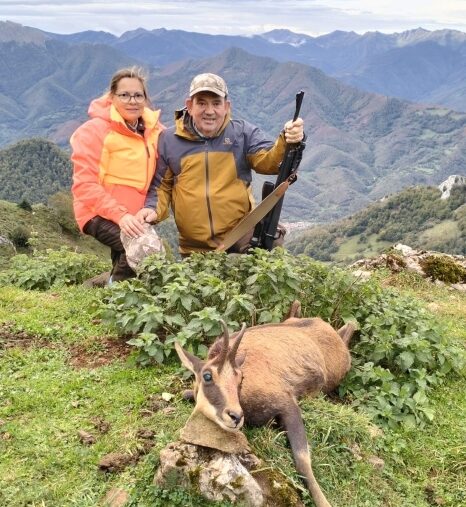
• Chamois: high mountain, physical hardship, and meteorological demands.
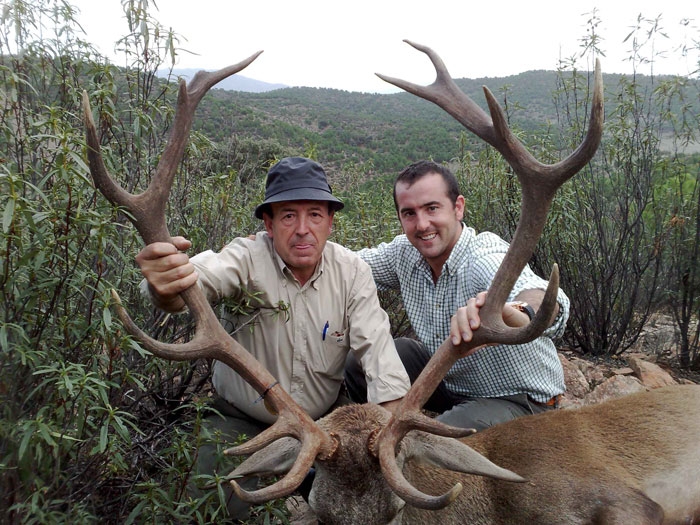
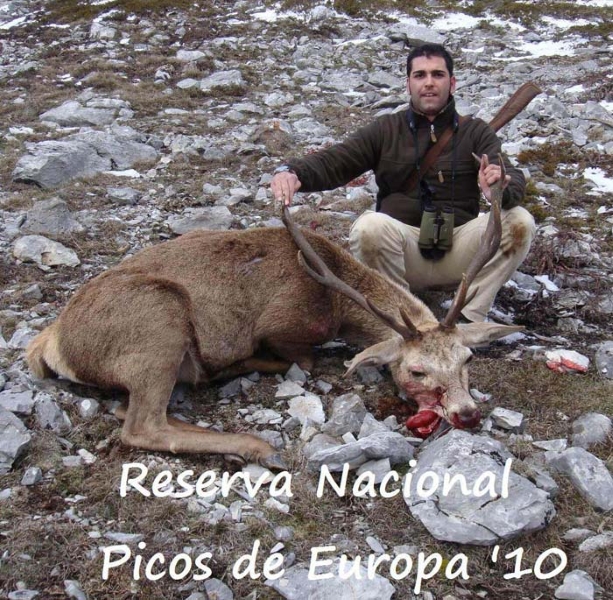
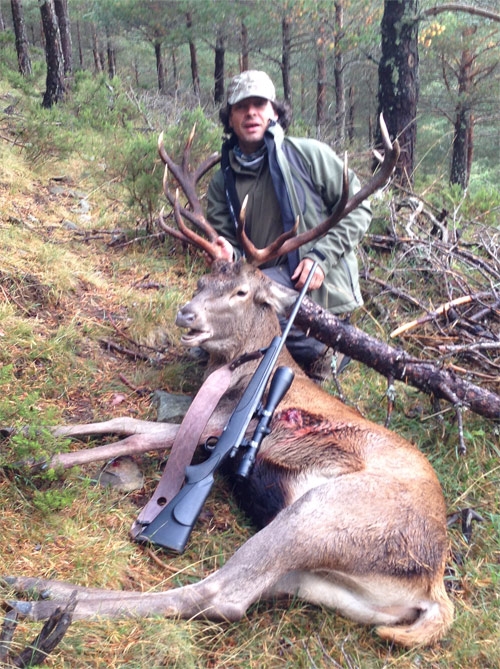
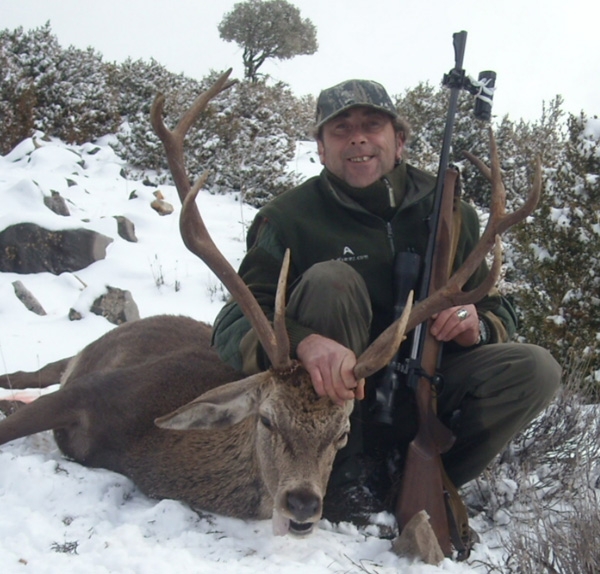
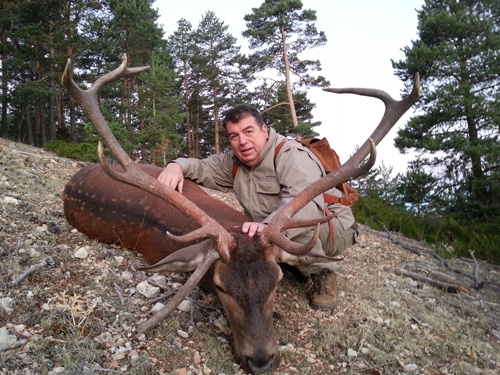
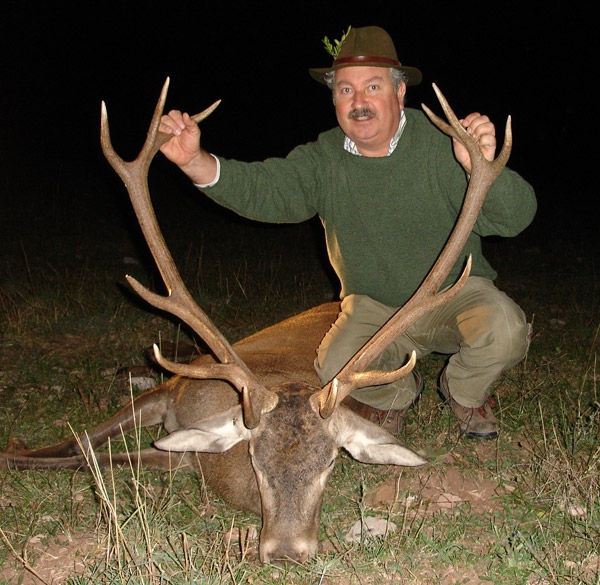
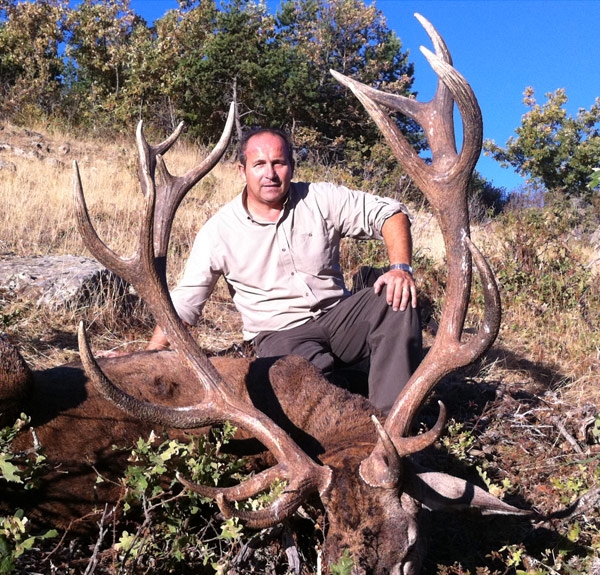
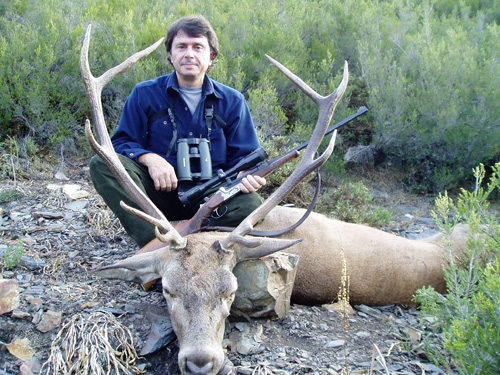
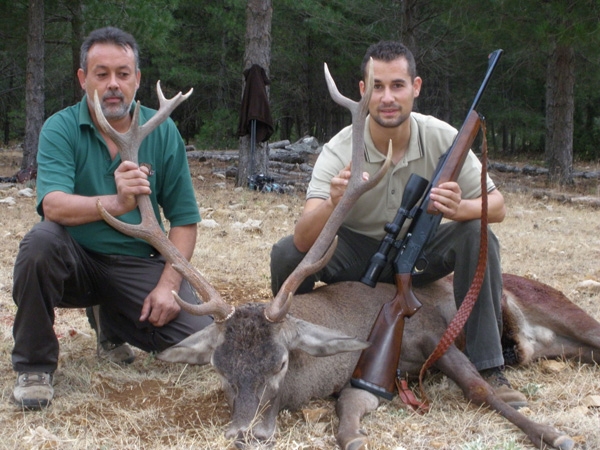
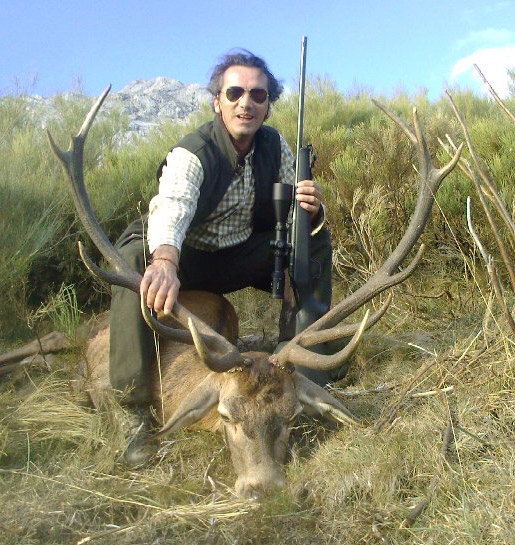
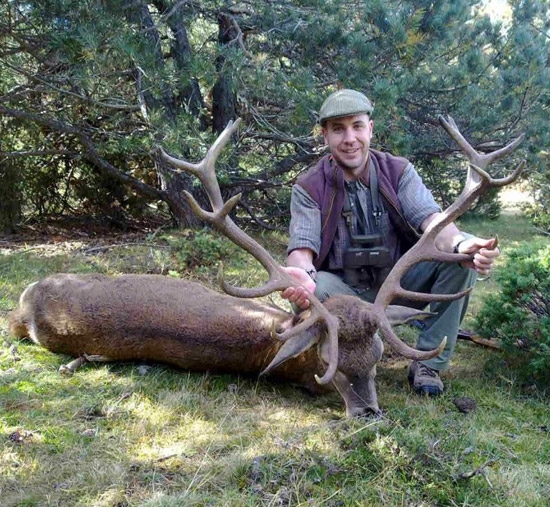
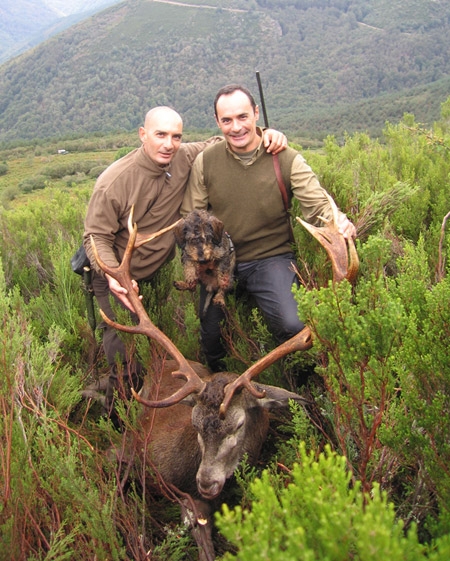
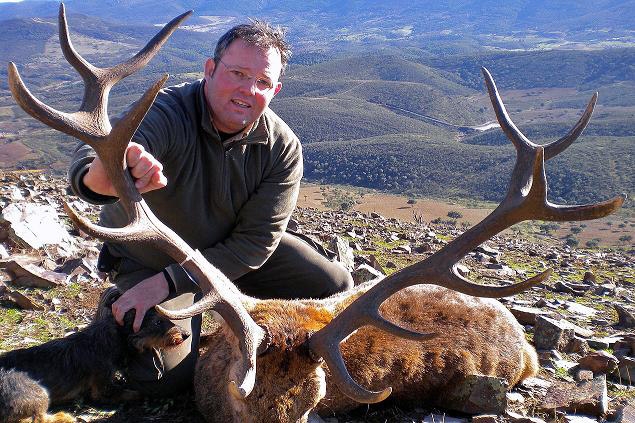
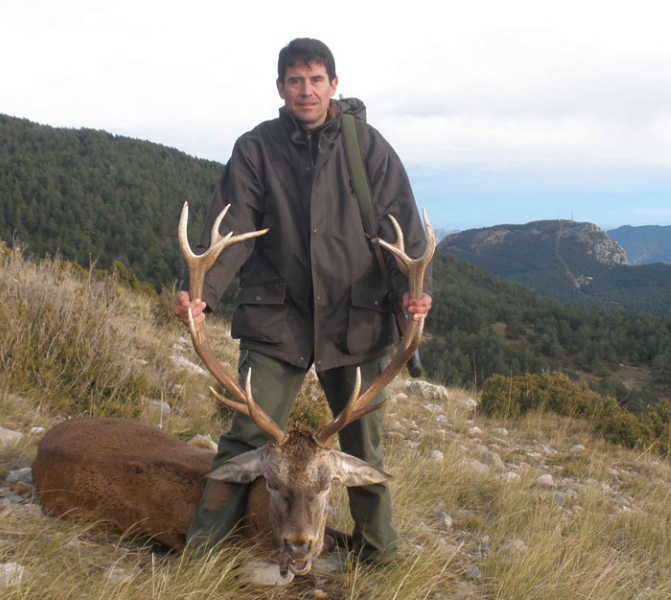
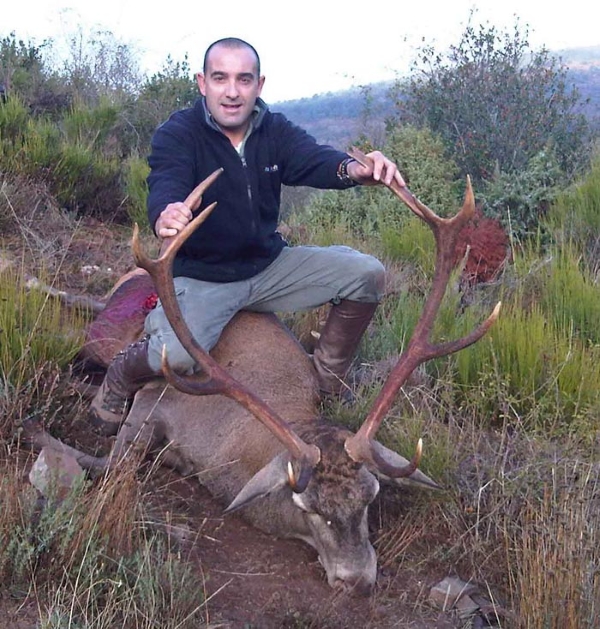
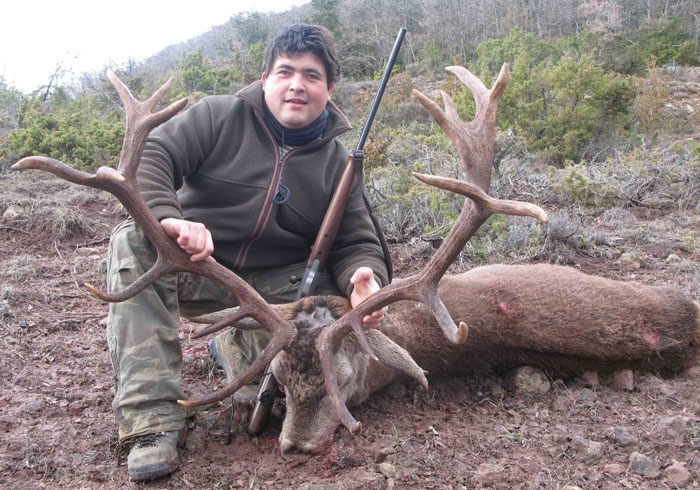
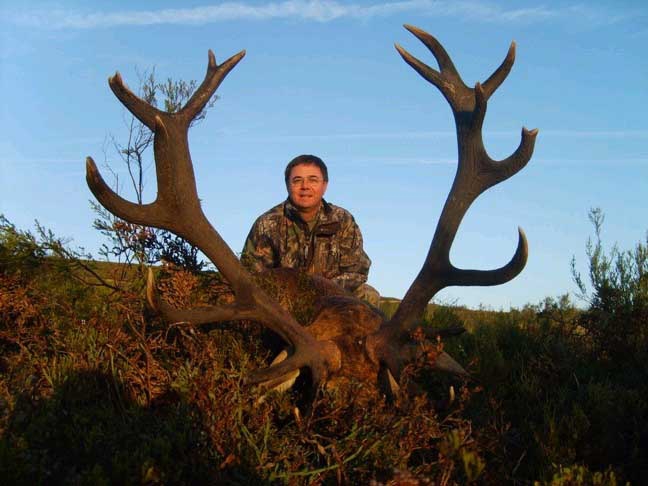
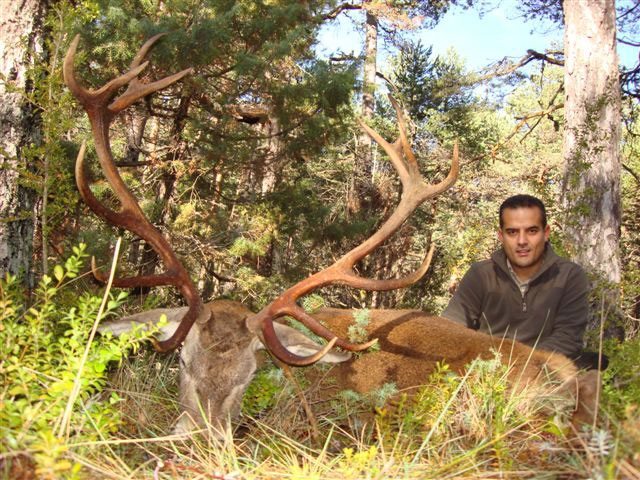
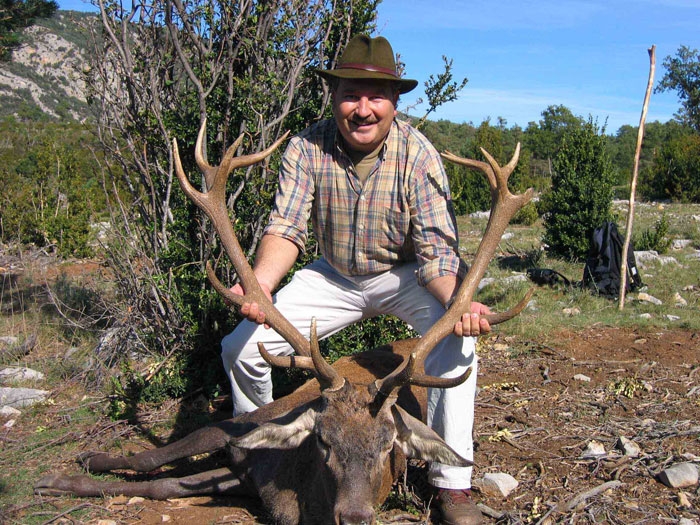
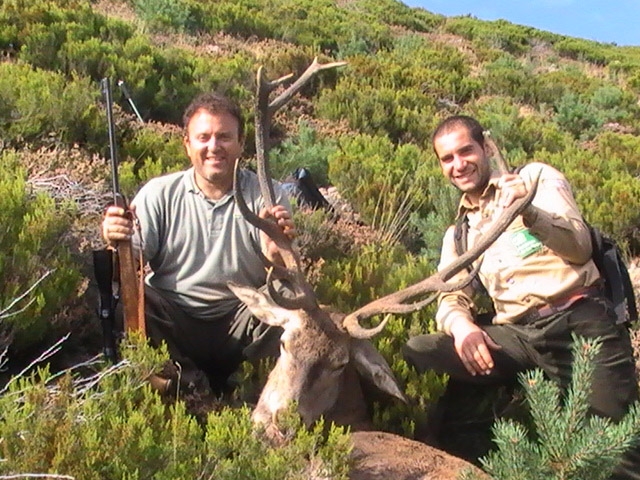
• Red deer: stalking during the rut or in winter; selective or medal-worthy according to permit.
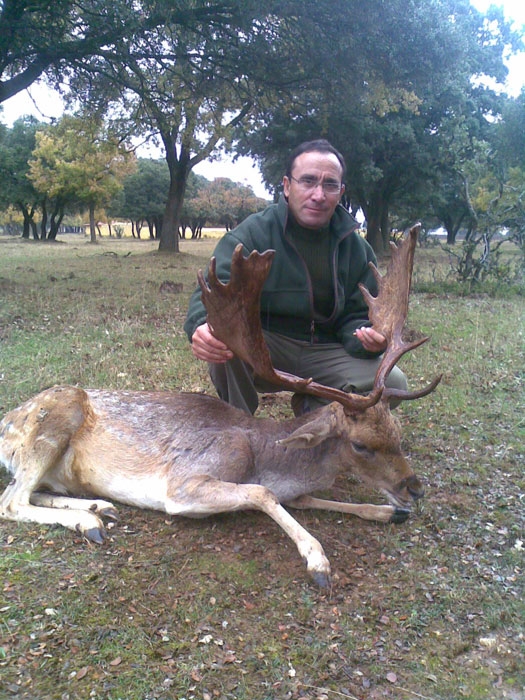
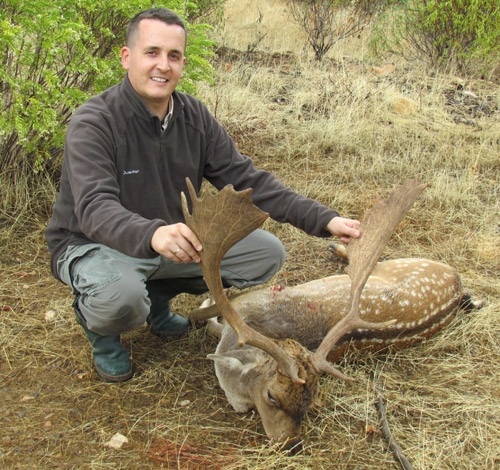
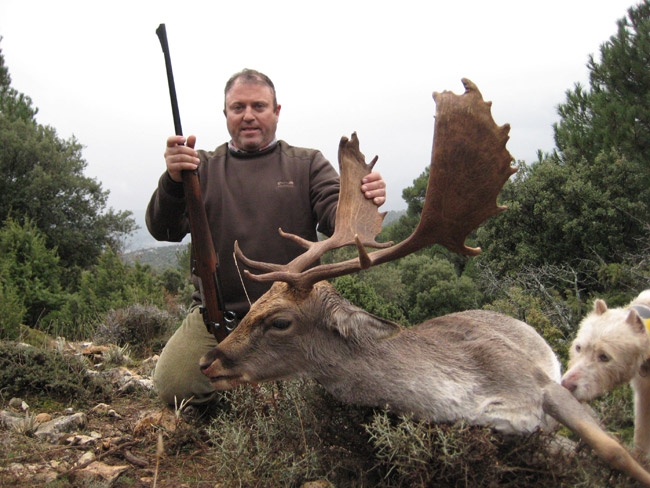
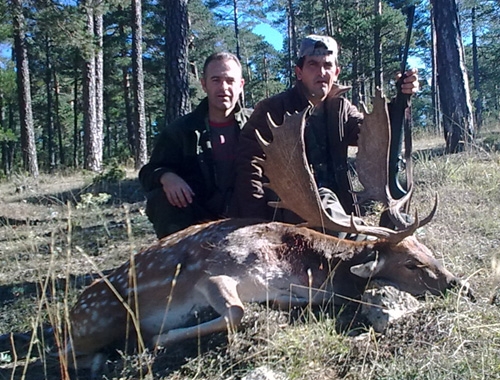
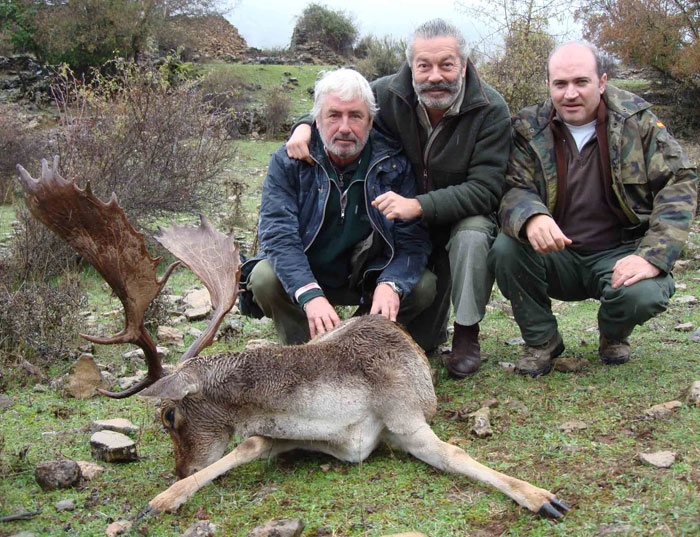
• Fallow deer: very present in reserves in the south of the peninsula.
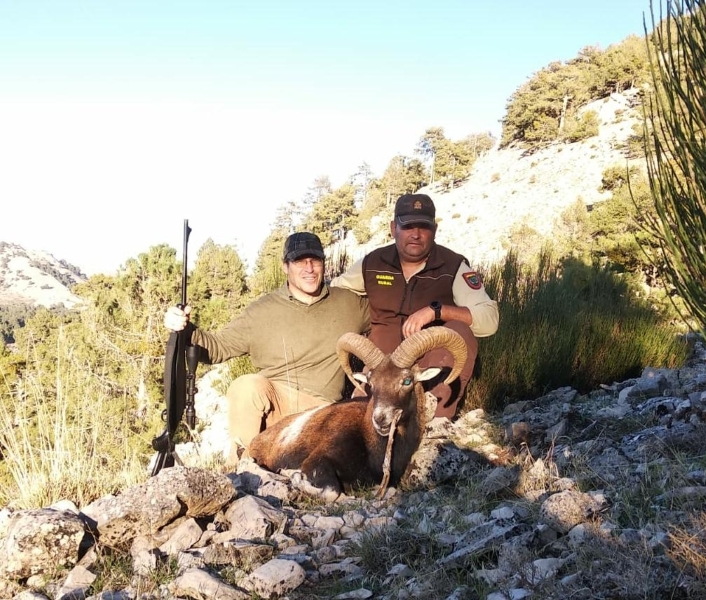
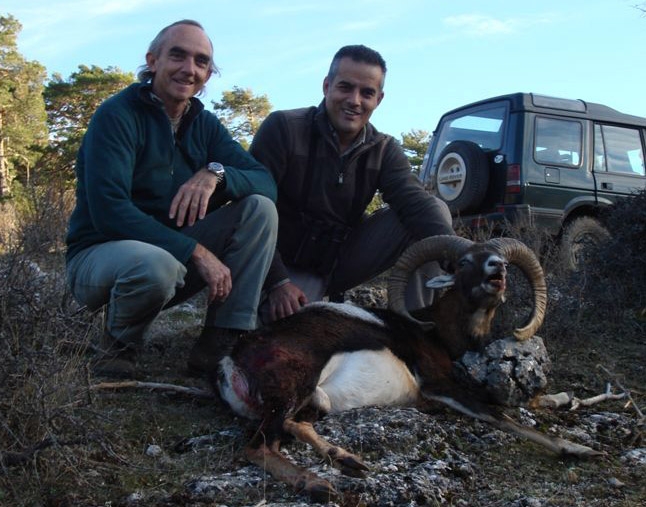
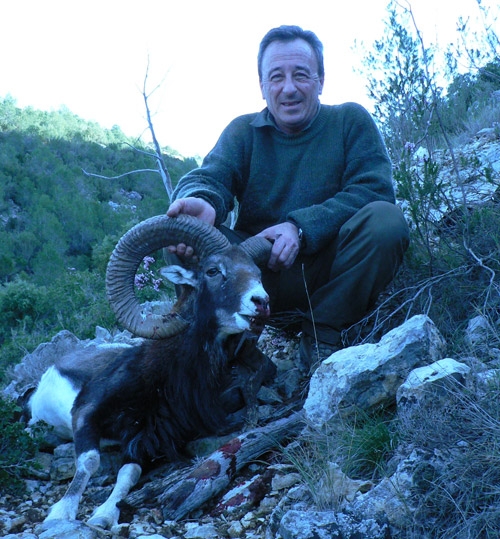
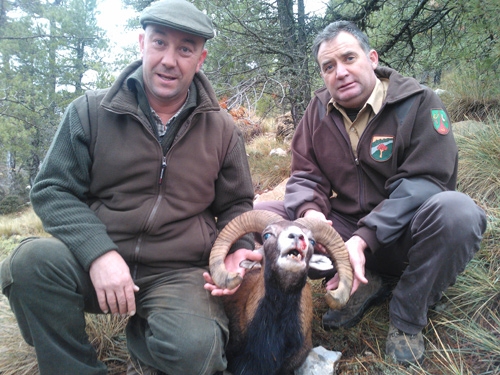
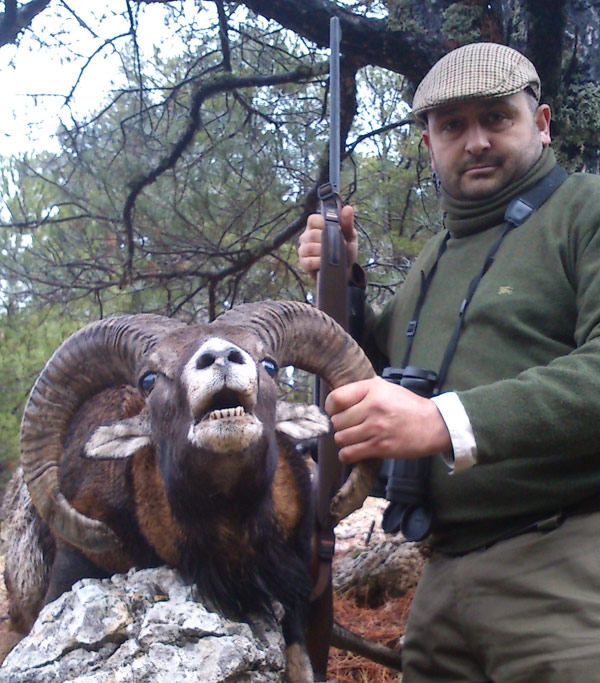
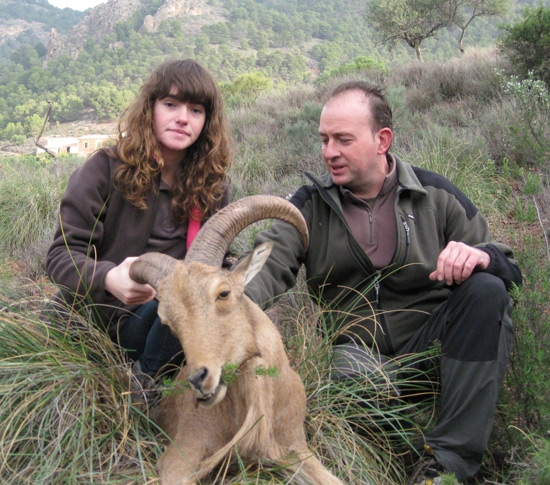
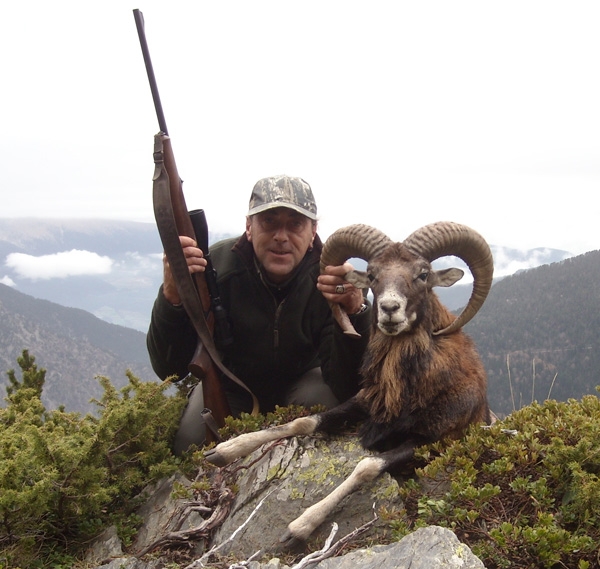
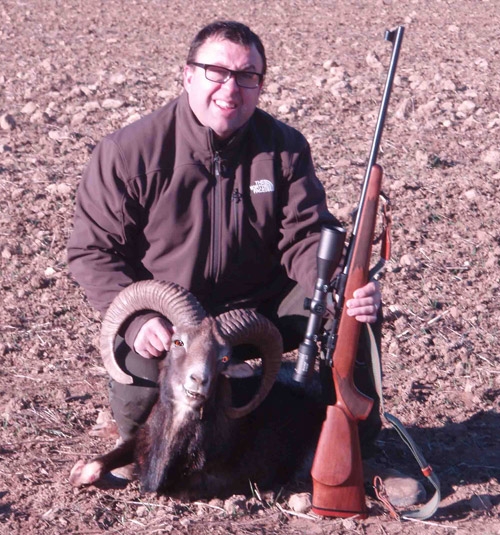
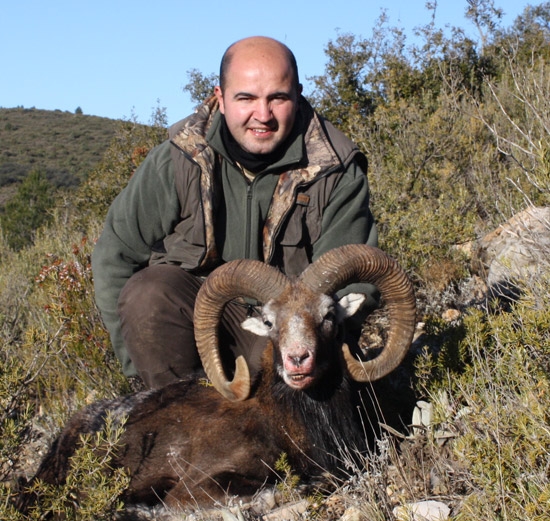
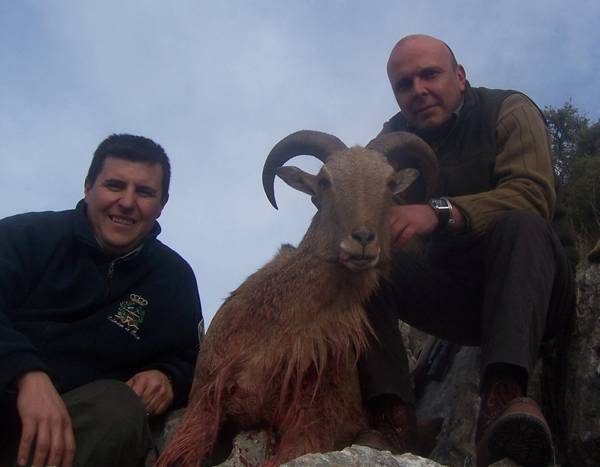
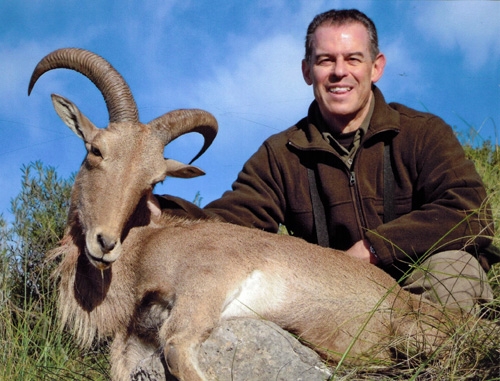
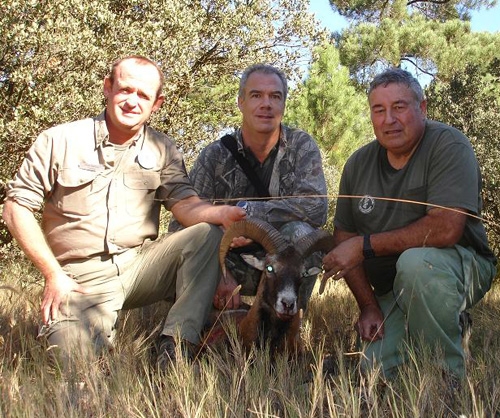
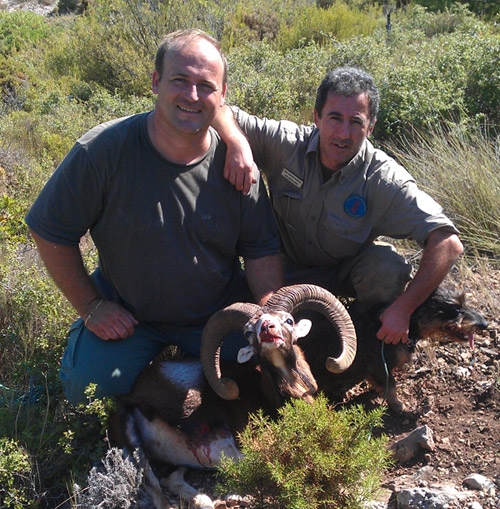
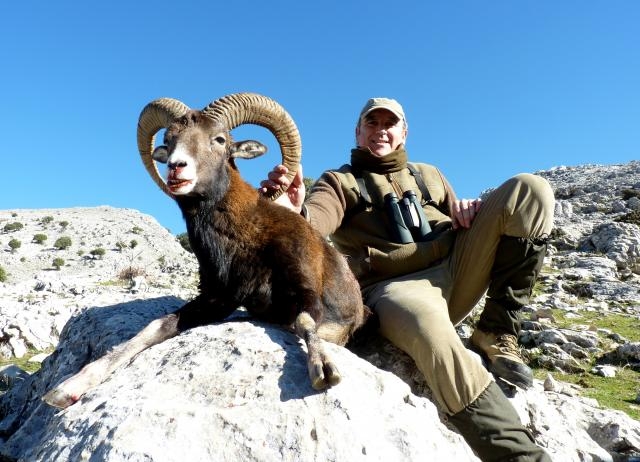
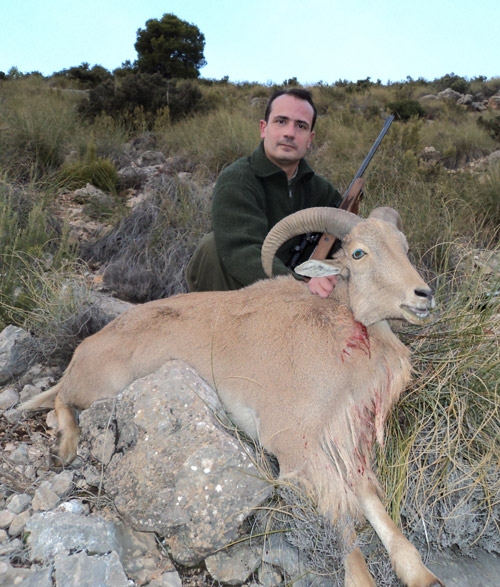
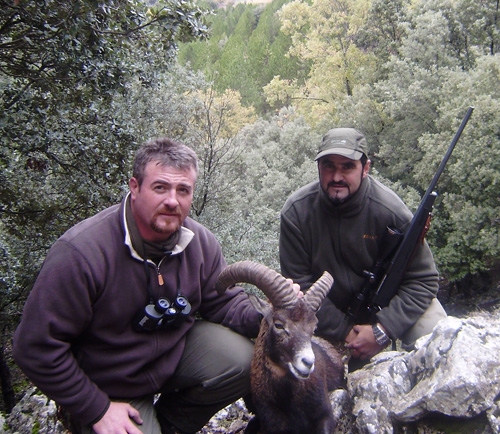
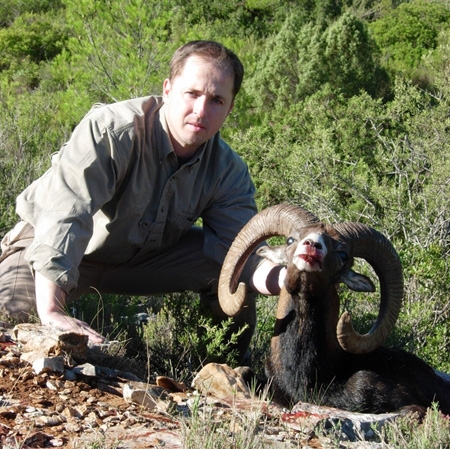
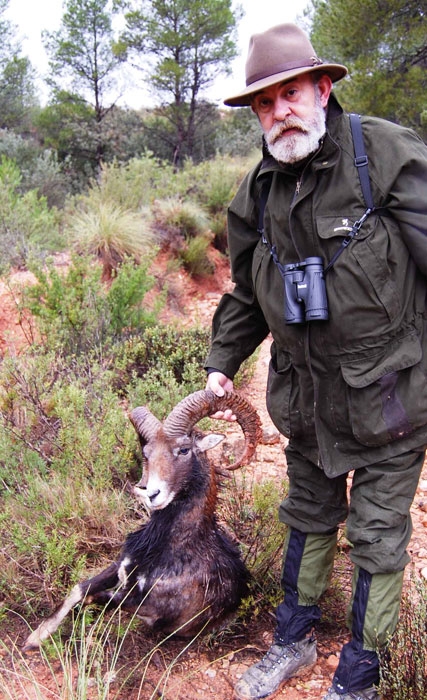
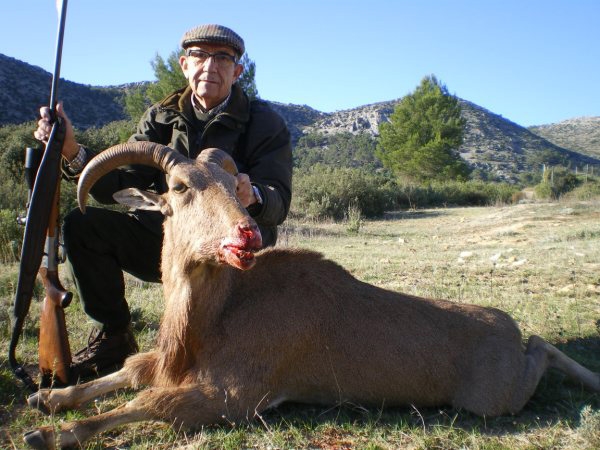
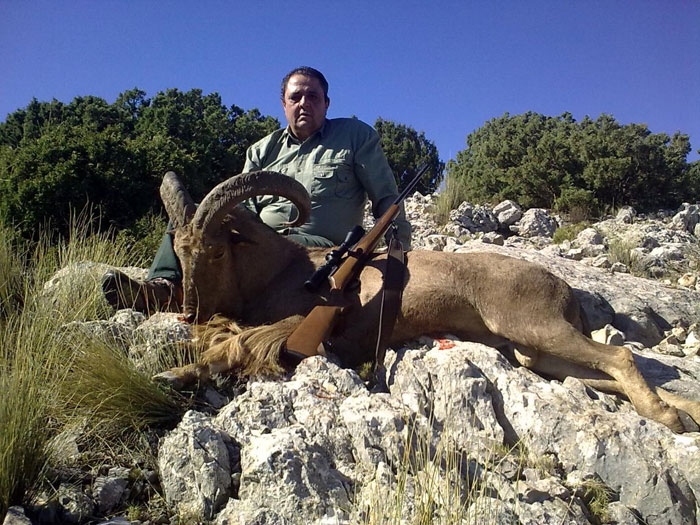
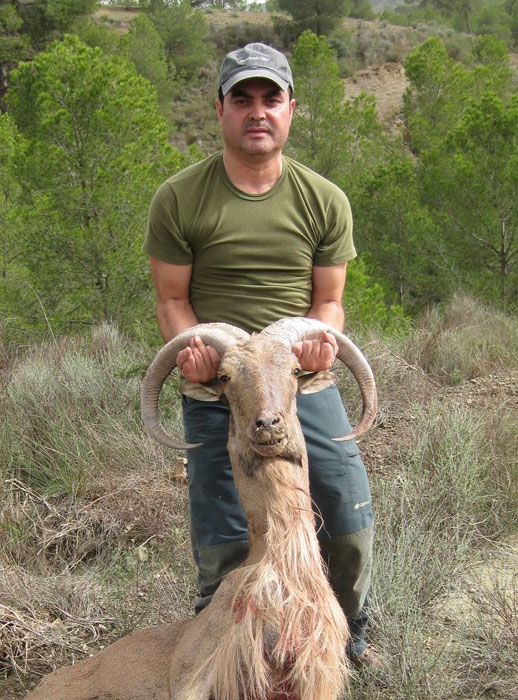
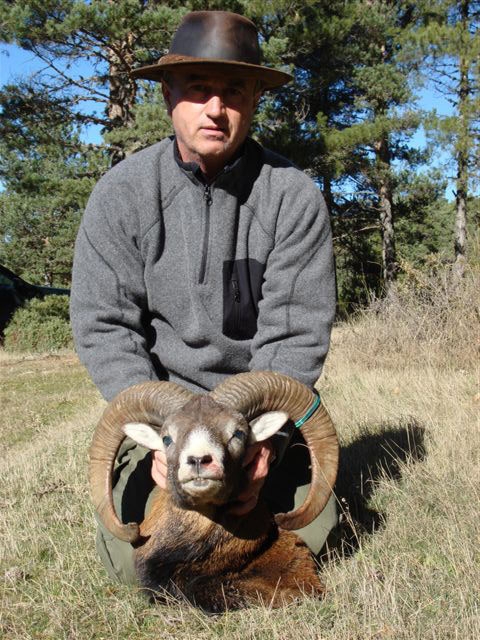
• Mouflon: dynamic stalking hunts, with long journeys.
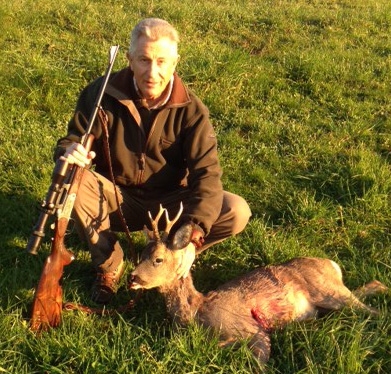
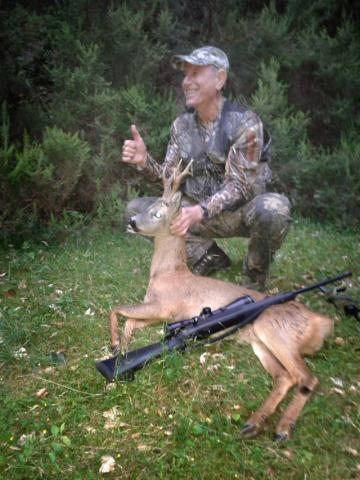
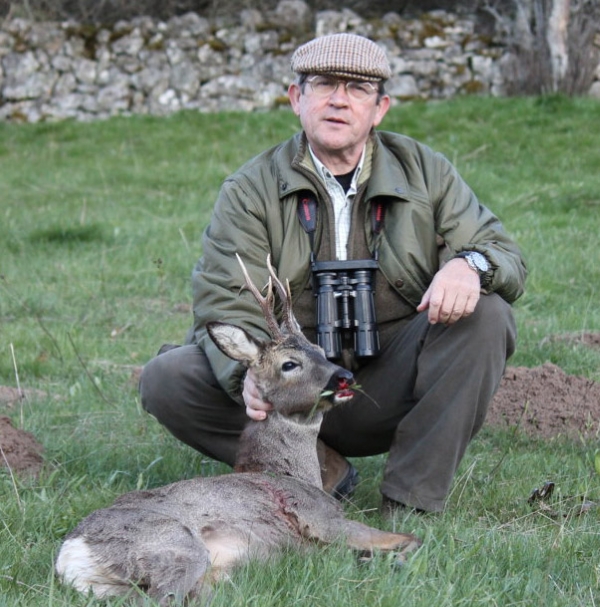
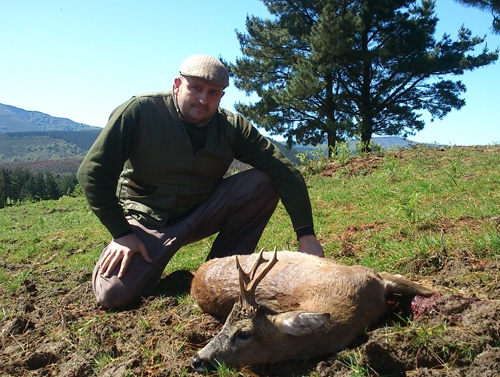
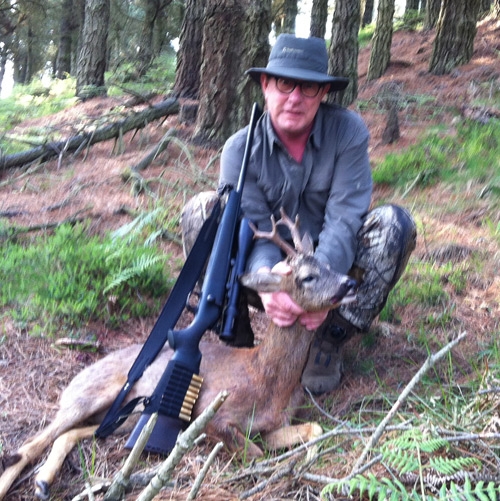
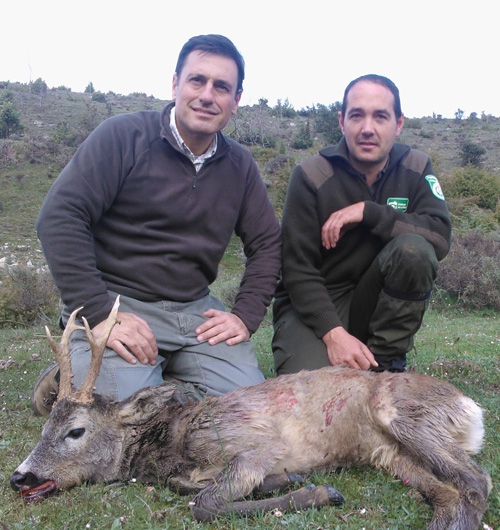
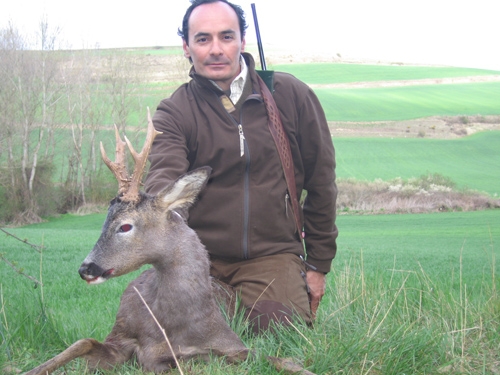
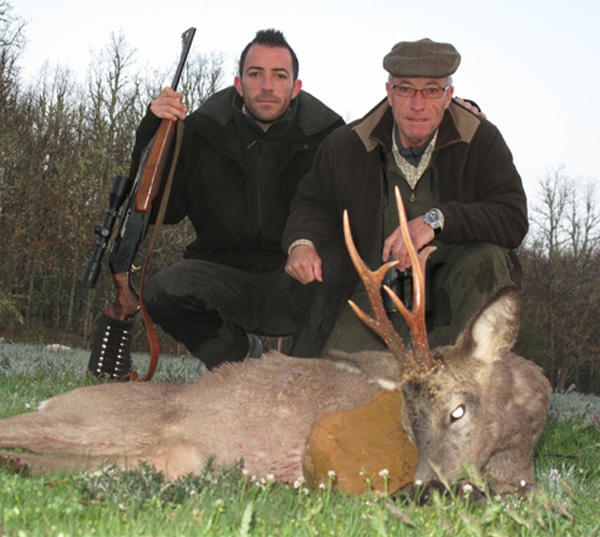
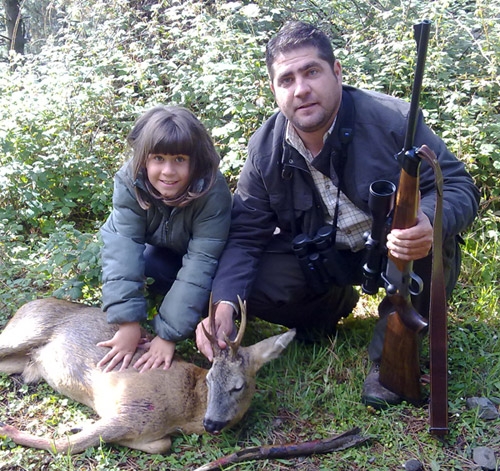
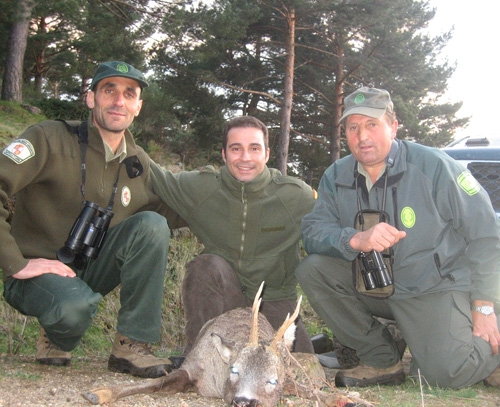
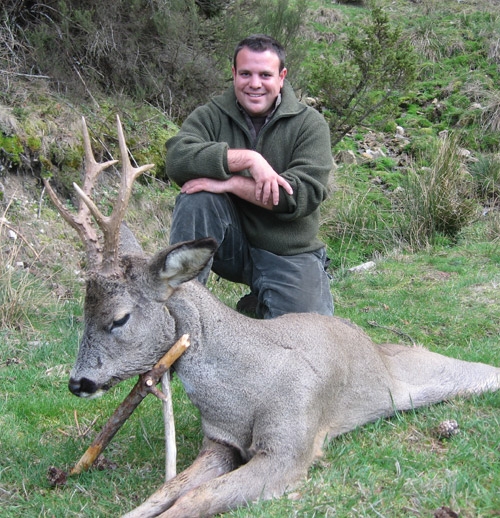
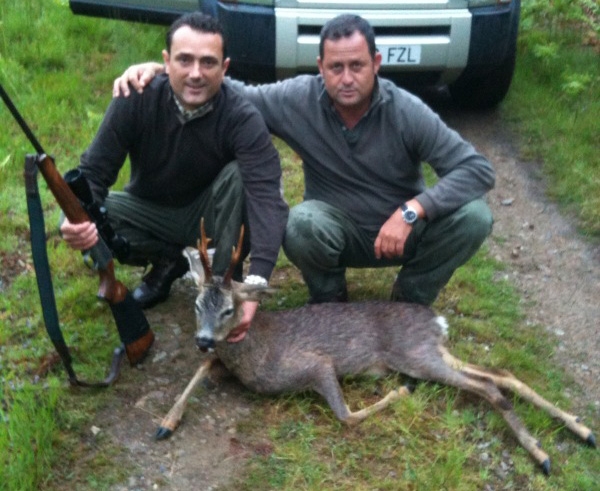
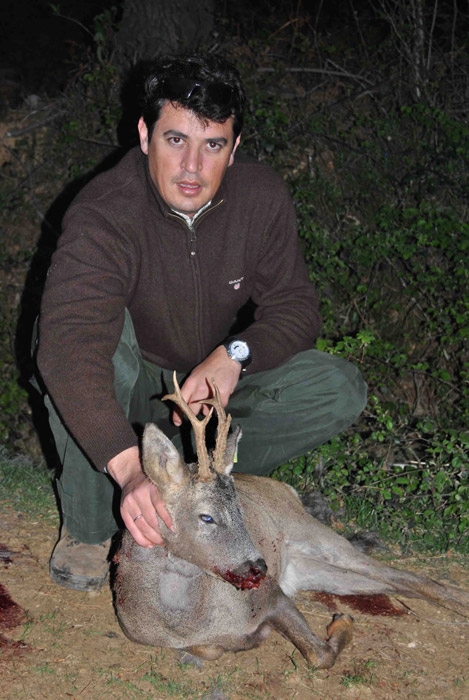
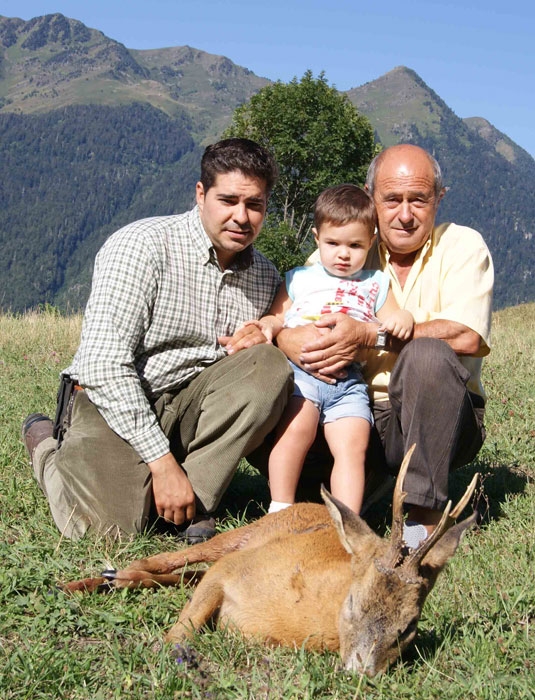
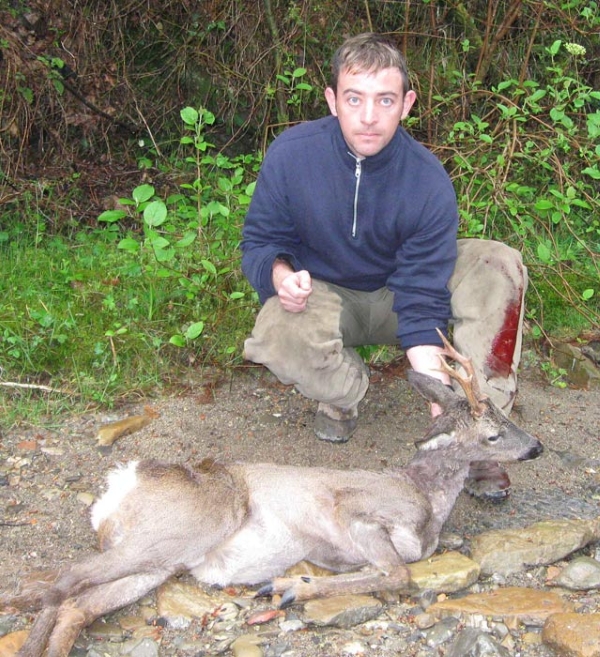
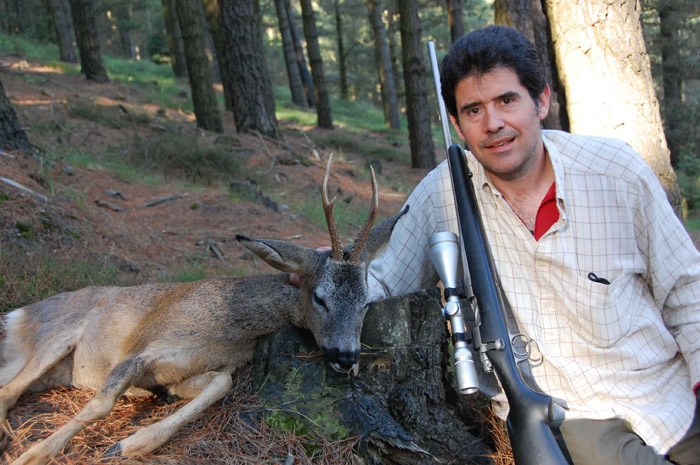
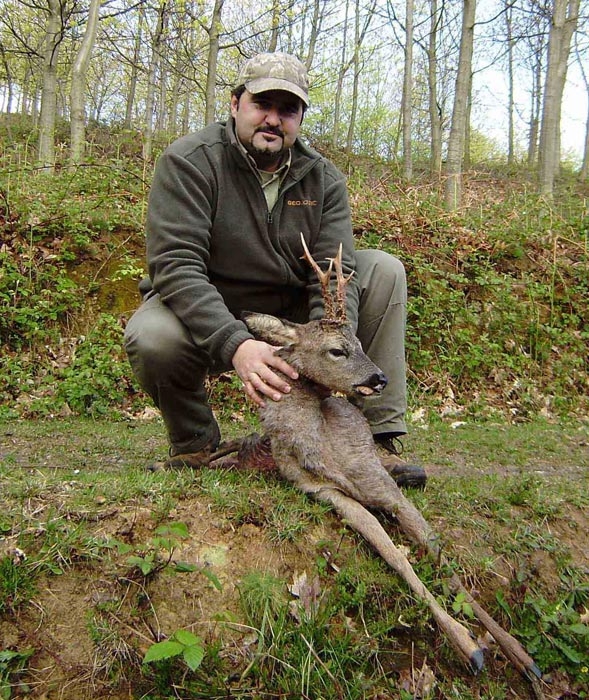
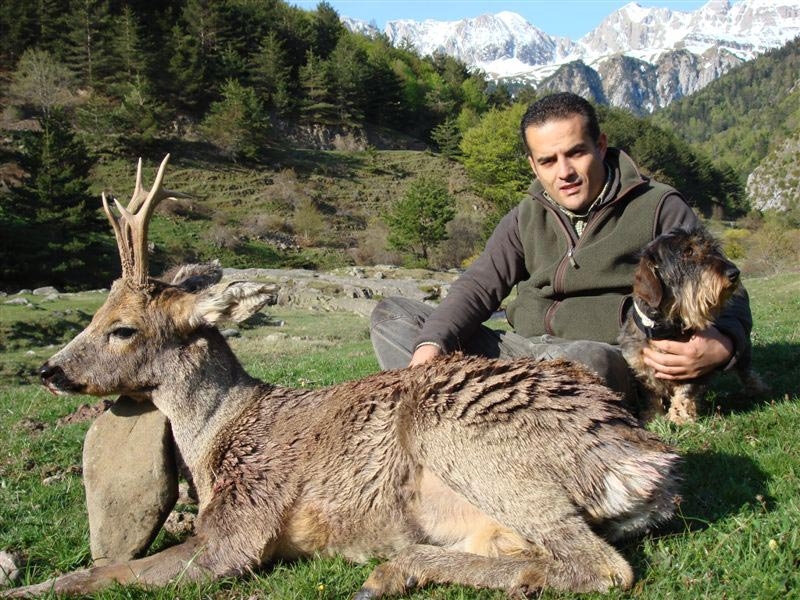
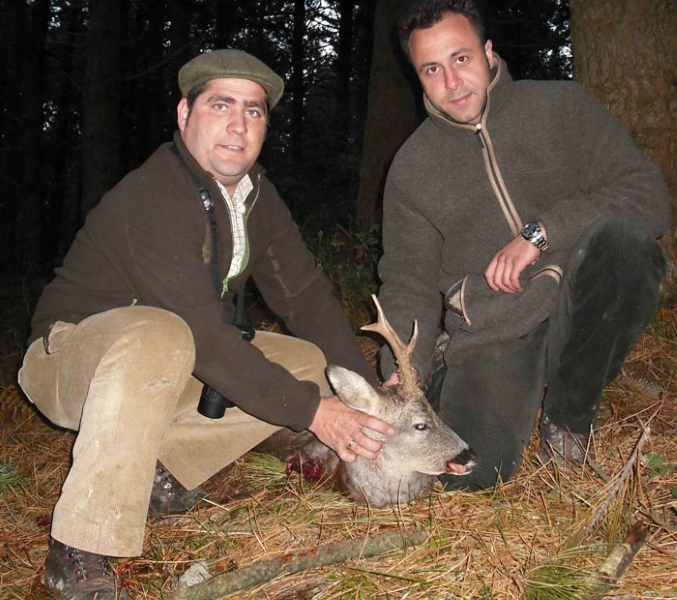
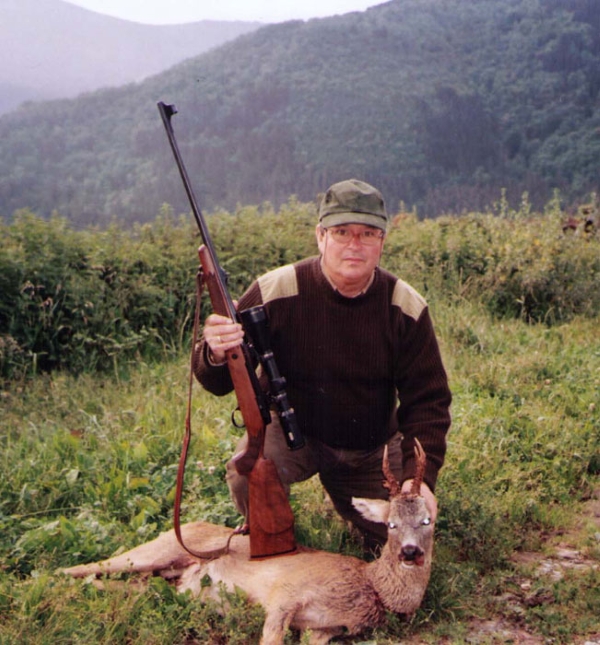
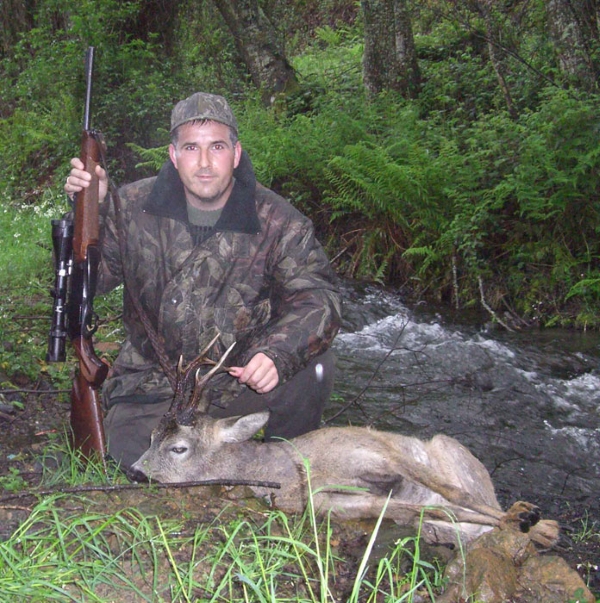
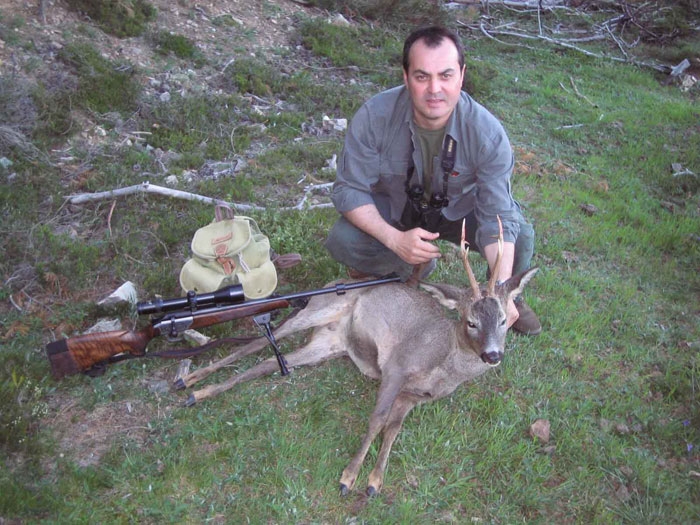
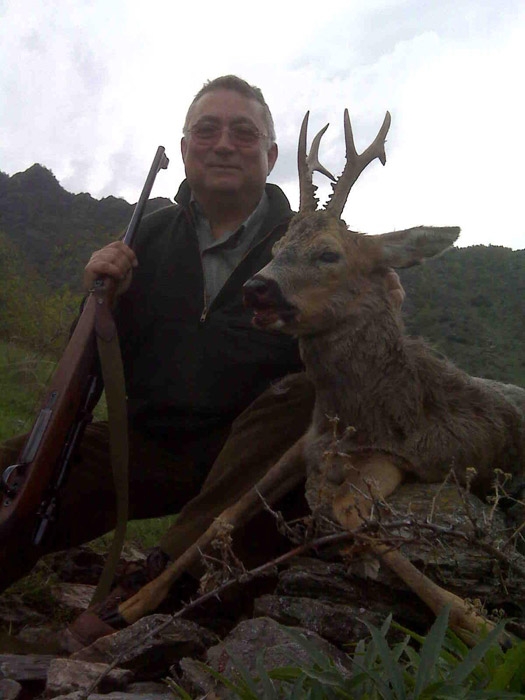
• Roe deer: fine stalking hunts, especially in spring.
The classification between selective, representative, and trophy marks the specific piece that can be culled, which adds a very relevant technical component: the guard is responsible for correctly identifying age, condition, and morphology before the shot.
Conditions and requirements for the hunter
Beyond licenses and documentation, stalking requires:
• Good physical shape: some stalking hunts involve prolonged ascents.
• Observation skills: identify pieces, assess distances, interpret tracks.
• Safe handling of the weapon: precise shooting in uncomfortable positions or on slopes.
• Absolute respect for the assigned piece: the management of the reserve depends on it.
• Adaptation to the guard: their criteria and knowledge are decisive during the day.
These demands differentiate stalking from other types and justify its prestige within big game hunting.
How stalking works in national and regional reserves
Although permits are awarded by draw, the subsequent development is completely different from other types:
• Specific days are set for the hunt.
• The hunter receives specific instructions on meeting point and conditions.
• The day is always accompanied by a professional reserve guard.
• Only the assigned piece can be culled: selective, representative, or trophy according to permit.
• The final price depends on the result based on the regulations of each reserve.
Sustainable management is the priority of the reserves, and therefore stalking hunts are designed to fulfill a specific purpose of population control and genetic improvement.
What does Armería la Diana Big Game Hunting Club contribute in this type
The club registers the member in all official draws. Especially useful for those who do not have time to follow calls or master the particularities of each reserve.
The added value of the club in the field of stalking is:
• Ensures that the member enters the calls for all national hunting reserves.
• Optimizes possibilities according to hunter category (regional or national).
• Communicates results and resolves doubts about the awarded permit.
• Offers additional stalking hunts acquired by the club, exclusive for members, outside the official circuit.
• Accompanies the member during the previous process so that they arrive prepared for the day.
Conclusion
Stalking is a type that demands technique, effort, and respect for the environment. The national hunting reserves provide unique scenarios and animals managed with rigorous criteria, which makes each stalking hunt a hunting experience of enormous value. Through its comprehensive system, La Diana Hunting Club facilitates participation and increases the member’s options to enjoy public stalking hunts and exclusive additional stalking hunts, offering real access to some of the best big game hunting days in the country.